
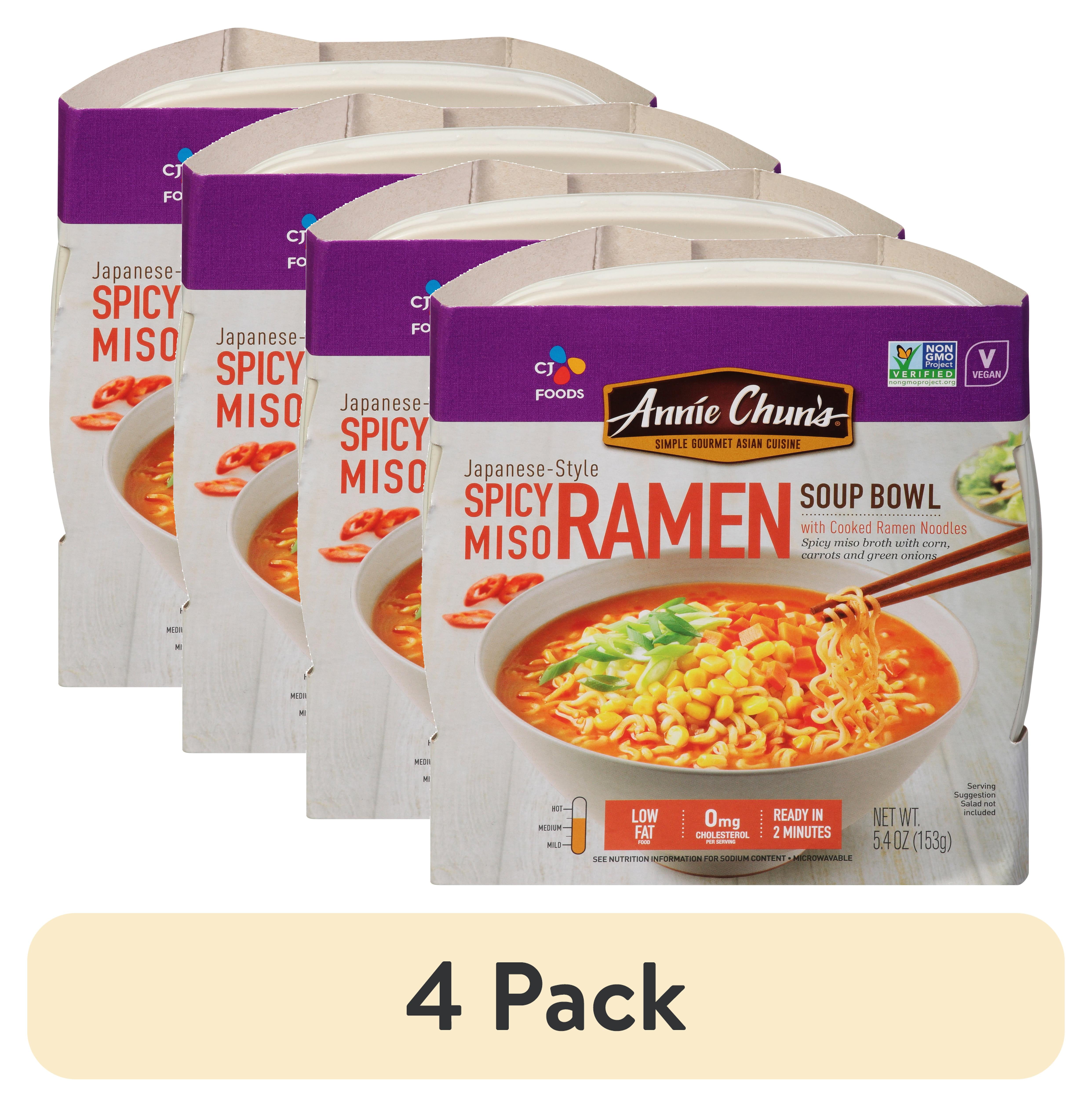


At a glance
Summary
This product is ultra-processed, which limits its potential health score despite containing some beneficial ingredients like miso and dehydrated vegetables. The presence of refined sugars such as sugar and glucose contributes to a lower score due to their association with health issues when consumed in excess. While the product includes nutrient-rich components, the overall processing level and added sugars impact its health rating.
Key ingredients 19
MisoGood
Miso is a fermented soybean paste rich in probiotics and nutrients. It supports gut health and adds umami flavor to dishes. Fermentation enhances its nutritional profile and digestibility.
Risks
Contains sodium, which may be a concern for those on a low-sodium diet.
Benefits
Rich in probiotics that support gut health and provide beneficial nutrients.
Onion powderGood
Onion powder is a dehydrated form of onion that adds flavor without moisture. It retains some of the nutritional benefits of fresh onions, including antioxidants. It is a convenient way to add onion flavor to dishes.
Benefits
Contains antioxidants and adds flavor without moisture.
Freeze dried tofuGood
Freeze dried tofu is a high-protein, plant-based ingredient. It retains the nutritional benefits of tofu, including essential amino acids and minerals. The freeze-drying process preserves its nutrients and extends shelf life.
Risks
May cause allergic reactions in individuals sensitive to soy.
Benefits
High in protein and provides essential amino acids and minerals.
Dehydrated green onionGood
Dehydrated green onion adds flavor and some nutrients to dishes. It retains the benefits of fresh green onions, including vitamins and antioxidants. It is a convenient way to add flavor without moisture.
Benefits
Contains vitamins and antioxidants, adding flavor and nutrients.
Dehydrated shiitake mushroomGood
Dehydrated shiitake mushroom is rich in umami flavor and nutrients. It provides vitamins, minerals, and antioxidants that support health. The dehydration process preserves its nutritional content and flavor.
Benefits
Rich in vitamins, minerals, and antioxidants that support health.
Dehydrated seaweedGood
Dehydrated seaweed is a nutrient-rich ingredient high in iodine and other minerals. It supports thyroid health and provides antioxidants. The dehydration process preserves its nutrients and flavor.
Risks
Excessive consumption may lead to high iodine intake, affecting thyroid function.
Benefits
Rich in iodine and minerals that support thyroid health and provide antioxidants.
Dehydrated chili pepperGood
Dehydrated chili pepper adds spice and flavor to dishes. It contains capsaicin, which may have anti-inflammatory properties. The dehydration process preserves its flavor and nutritional content.
Risks
May cause irritation or discomfort in sensitive individuals.
Benefits
Contains capsaicin, which may have anti-inflammatory properties and adds flavor.
WaterNeutral
Water is a neutral ingredient used as a base in many food products. It provides no nutritional value but is essential for hydration. In this product, it serves as a solvent for other ingredients.
See more about Water →SaltNeutral
Salt is used to enhance flavor and preserve food. It is a common culinary ingredient but excessive intake can lead to health issues. In this product, it contributes to the overall sodium content.
Risks
Excessive consumption may lead to high blood pressure and cardiovascular issues.
Benefits
Essential for maintaining fluid balance and nerve function in the body.
Lactic acidNeutral
Lactic acid is used as a preservative and acidity regulator in foods. It is naturally occurring and generally recognized as safe. It helps maintain freshness and flavor stability.
Benefits
Helps preserve food and maintain its flavor over time.
Wheat glutenNeutral
Wheat gluten is a protein found in wheat that provides elasticity to dough. It is beneficial for texture but can cause issues for those with gluten intolerance. It is a common ingredient in many baked goods and pasta.
Risks
May cause allergic reactions or digestive issues in individuals with gluten intolerance or celiac disease.
Benefits
Provides protein and improves the texture of baked goods and pasta.
Salted sakeNeutral
Salted sake is a fermented rice beverage used for flavoring. It contains alcohol and salt, contributing to the product's flavor profile. It is used in small quantities and adds complexity to the dish.
Risks
Contains alcohol and sodium, which may be a concern for some individuals.
Benefits
Adds a unique flavor profile to the dish.
Soy sauceNeutral
Soy sauce is a fermented condiment made from soybeans, wheat, and salt. It adds umami flavor and depth to dishes. It is high in sodium, which should be considered in dietary intake.
Risks
High sodium content may be a concern for those with hypertension.
Benefits
Adds umami flavor and depth to dishes.
Potassium carbonateNeutral
Potassium carbonate is used as a pH regulator and stabilizer in foods. It is generally recognized as safe and used in small quantities. It helps maintain the texture and stability of the product.
Benefits
Helps maintain texture and stability in food products.
Wheat flourBad
Refined grain flour stripped of bran and germ.
Risks
May cause allergic reactions or digestive issues in individuals with gluten intolerance or celiac disease.
Benefits
Provides carbohydrates for energy and some protein content.
Modified food starchBad
Chemically modified starch additive.
See more about Modified food starch →SugarBad
Sugar is a refined carbohydrate that provides quick energy but lacks essential nutrients. Excessive consumption can lead to health issues like obesity and diabetes. It is used to enhance flavor but should be consumed in moderation.
Risks
Excessive intake can contribute to obesity, diabetes, and dental issues.
Benefits
Provides quick energy but lacks essential nutrients.
Yeast extractBad
Concentrated glutamate source — MSG-adjacent flavor enhancer.
Benefits
Provides umami flavor and is a source of B vitamins.
GlucoseBad
Glucose is a simple sugar that provides quick energy but lacks essential nutrients. Excessive consumption can lead to health issues like obesity and diabetes. It is used to enhance sweetness but should be consumed in moderation.
Risks
Excessive intake can contribute to obesity, diabetes, and dental issues.
Benefits
Provides quick energy but lacks essential nutrients.
Processing
Ultra-Processed Foods
Get the full breakdown in the Scout appTake Scout shopping
Scan any product to see lab results, healthy alternatives, and your personalized analysis.
Download on theApp Store GET IT ONGoogle Play