




At a glance
Summary
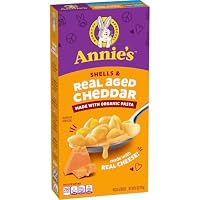
This product contains a mix of beneficial ingredients such as organic pasta and high-quality cheeses, which provide protein and essential nutrients. However, it is classified as ultra-processed due to the presence of additives like sodium phosphate, which is used to improve texture and shelf life. Despite the use of organic and natural ingredients, the level of processing limits its overall health score.
Key ingredients 18
Organic pastaGood
Organic pasta is made from organic wheat flour, which is free from synthetic pesticides and fertilizers. The use of whole grain wheat flour adds fiber and nutrients. Organic certification ensures a higher standard of quality and environmental sustainability.
Risks
Potential gluten sensitivity for individuals with celiac disease or gluten intolerance.
Benefits
Provides carbohydrates for energy and contains fiber from whole grains, which supports digestive health.
Cheddar cheeseGood
Cheddar cheese is a source of high-quality protein and calcium. It is made from pasteurized milk and contains beneficial bacterial cultures. The fermentation process enhances nutrient absorption and adds probiotics.
Risks
Contains saturated fats and sodium, which should be consumed in moderation.
Benefits
Rich in calcium and protein, supporting bone health and muscle maintenance.
Parmesan cheeseGood
Parmesan cheese is a hard cheese known for its rich flavor and high calcium content. It is made from pasteurized milk and aged to enhance flavor and nutrient density. The aging process reduces lactose content, making it easier to digest for some individuals.
Risks
High in sodium and saturated fats, which may be a concern for heart health if consumed excessively.
Benefits
Excellent source of calcium and protein, beneficial for bone health and muscle function.
Cultured whole milkGood
Cultured whole milk is fermented with beneficial bacteria, enhancing its probiotic content. It provides protein, calcium, and fat-soluble vitamins. The fermentation process improves digestibility and nutrient absorption.
Risks
Contains lactose, which may cause issues for lactose-intolerant individuals.
Benefits
Rich in probiotics, supporting gut health and digestion.
Onion powderGood
Onion powder is made from dehydrated onions, offering flavor and potential health benefits. It contains antioxidants and compounds that may support heart health. As a natural ingredient, it enhances flavor without artificial additives.
Benefits
Contains antioxidants and may support cardiovascular health.
White pepperGood
White pepper is a spice derived from the ripe seeds of the pepper plant, offering a distinct flavor. It contains piperine, which may enhance nutrient absorption. As a natural spice, it adds flavor without artificial additives.
Benefits
May improve digestion and enhance nutrient absorption due to piperine content.
MilkGood
Whole dairy ingredient.
Risks
Contains lactose, which may cause digestive issues for those with lactose intolerance.
Benefits
Rich in calcium and protein, supporting bone health and muscle function.
Monterey Jack cheeseNeutral
Monterey Jack cheese is a semi-soft cheese with a mild flavor. It is made from pasteurized milk and contains bacterial cultures. While it provides protein and calcium, it is less nutrient-dense compared to aged cheeses.
Risks
Contains saturated fats and sodium, which should be monitored in a balanced diet.
Benefits
Provides protein and calcium, contributing to bone health and muscle maintenance.
Corn starchNeutral
Corn starch is a refined carbohydrate used as a thickening agent. It is highly processed and lacks significant nutritional value. While it serves a functional purpose in food preparation, it does not contribute to nutritional intake.
Risks
May cause blood sugar spikes if consumed in large quantities due to its high glycemic index.
WheyNeutral
Liquid whey as a minor dairy ingredient — benign.
Risks
May cause digestive issues for individuals with lactose intolerance.
Benefits
Rich in essential amino acids, promoting muscle growth and recovery.
Ricotta whey cheeseNeutral
Ricotta whey cheese is made from whey, cream, and skim milk, providing a mild flavor and creamy texture. It offers some protein and calcium but is less concentrated than other cheeses. Its mild processing retains some beneficial nutrients.
Risks
Contains lactose, which may be problematic for those with lactose intolerance.
Benefits
Provides protein and calcium, supporting bone health and muscle function.
SaltNeutral
Salt is used to enhance flavor and preserve food. It is a source of sodium, an essential mineral for fluid balance and nerve function. However, excessive intake can lead to health issues.
Risks
High sodium intake is linked to increased blood pressure and cardiovascular risk.
Benefits
Essential for maintaining fluid balance and nerve function.
Skim milkNeutral
Skim milk is a low-fat dairy product providing protein and calcium. It is pasteurized to ensure safety and reduce fat content. While it offers essential nutrients, it lacks the fat-soluble vitamins found in whole milk.
Risks
May not provide enough fat-soluble vitamins compared to whole milk.
Benefits
Good source of protein and calcium, supporting bone health.
ButterNeutral
Butter is a dairy product made from cream, providing flavor and richness. It contains saturated fats and fat-soluble vitamins. While it adds taste, its high saturated fat content requires moderation.
Risks
High in saturated fats, which may impact heart health if consumed excessively.
Benefits
Contains fat-soluble vitamins like A and D, supporting various bodily functions.
Annatto extractNeutral
Annatto extract is a natural coloring agent derived from the seeds of the achiote tree. It is used to impart a yellow-orange color to foods. As a natural colorant, it is preferable to synthetic dyes.
Risks
Rarely, it may cause allergic reactions in sensitive individuals.
Benefits
Provides natural color without synthetic additives.
Silicon dioxideNeutral
Silicon dioxide is used as an anti-caking agent to prevent clumping in powdered foods. It is an inert compound with no nutritional value. Its use is primarily functional, ensuring product consistency.
See more about Silicon dioxide →WheatNeutral
Wheat is a staple grain providing carbohydrates and some protein. It is a primary ingredient in pasta and other baked goods. While it offers energy, it may cause issues for those with gluten intolerance.
Risks
Contains gluten, which can cause adverse reactions in individuals with celiac disease or gluten sensitivity.
Benefits
Provides carbohydrates for energy and some protein content.
Sodium phosphateBad
Sodium phosphate is an additive used to improve texture and shelf life. It is a processed ingredient with no nutritional benefits. Excessive consumption may lead to imbalances in phosphate levels.
Risks
High intake can disrupt phosphate balance, potentially affecting kidney function.
Processing
Ultra-Processed Foods
Get the full breakdown in the Scout appTake Scout shopping
Scan any product to see lab results, healthy alternatives, and your personalized analysis.
Download on theApp Store GET IT ONGoogle Play