


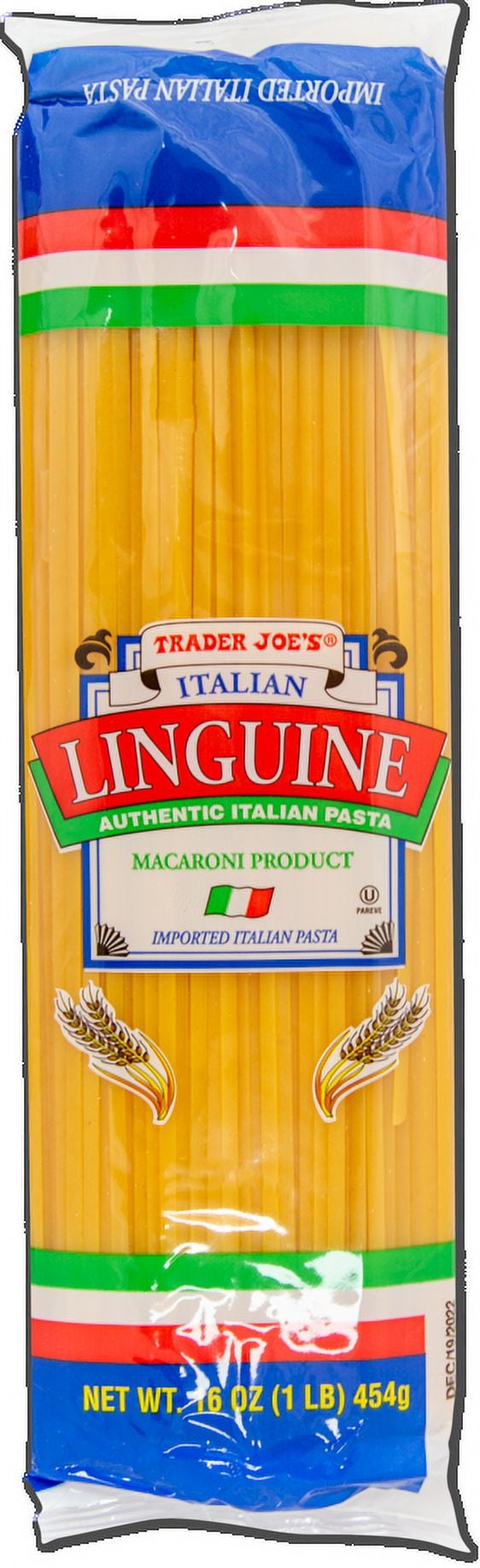

At a glance
Summary
This pasta product contains high-quality ingredients such as egg whites, egg yolks, and various vegetables and spices, which contribute to its nutritional value. However, it is moderately processed and includes a natural flavor additive, which lacks transparency and can be a concern for some consumers. The presence of xanthan gum as an additive also slightly impacts the score, but overall, the product maintains a clean label with beneficial ingredients.
Key ingredients 12
Egg whitesVery Good
Egg whites are a high-quality source of protein with minimal fat. They provide essential amino acids necessary for muscle repair and growth. Being low in calories, they are suitable for weight management.
Benefits
Rich in protein and low in calories, supporting muscle growth and weight management.
Egg yolksGood
Egg yolks are nutrient-dense, containing vitamins A, D, E, and K, along with healthy fats. They are a source of choline, important for brain health. Despite cholesterol content, moderate consumption is generally considered healthy.
Risks
High cholesterol content may be a concern for individuals with specific health conditions.
Benefits
Provides essential vitamins and choline, supporting brain health and nutrient intake.
Konjac fiberGood
Konjac fiber is a soluble fiber that aids in digestion and can help regulate blood sugar levels. It is derived from the root of the konjac plant and is known for its ability to absorb water and form a gel-like substance. This can promote a feeling of fullness and support weight management.
Risks
Excessive consumption may lead to digestive discomfort such as bloating or gas.
Benefits
Supports digestive health and can aid in weight management by promoting satiety.
TomatoGood
Tomatoes are rich in vitamins C and K, potassium, and antioxidants like lycopene. They are minimally processed and provide health benefits such as reducing the risk of heart disease. The natural sugars in tomatoes are balanced by their fiber content.
Benefits
Rich in antioxidants and vitamins, supporting heart health and reducing inflammation.
Sundried tomatoGood
Sundried tomatoes are concentrated sources of vitamins and antioxidants, particularly lycopene. They retain most of the nutrients found in fresh tomatoes and offer a rich flavor. The drying process enhances their antioxidant content.
Risks
May contain added salt, which could be a concern for individuals monitoring sodium intake.
Benefits
High in antioxidants and vitamins, supporting overall health and providing a rich flavor.
OnionGood
Onions are a good source of vitamins C and B6, folate, and potassium. They contain antioxidants and compounds that have anti-inflammatory effects. Onions are minimally processed and add flavor and nutrients to dishes.
Benefits
Provides antioxidants and nutrients that support immune function and reduce inflammation.
GarlicGood
Garlic is known for its potential health benefits, including antimicrobial and anti-inflammatory properties. It contains allicin, which may help reduce blood pressure and cholesterol levels. Garlic is a natural ingredient with minimal processing.
Risks
May cause digestive discomfort in some individuals when consumed in large amounts.
Benefits
Supports cardiovascular health and has antimicrobial properties.
PaprikaGood
Paprika is a spice made from ground peppers, rich in antioxidants and vitamins A and E. It adds flavor and color to dishes without adding calories. The spice is minimally processed and retains its nutritional benefits.
Benefits
Rich in antioxidants and vitamins, enhancing flavor and nutritional value.
Sea saltGood
Sea salt is a minimally processed source of sodium and trace minerals. It is harvested from evaporated seawater and retains natural minerals. Sea salt is often preferred for its flavor and mineral content compared to refined table salt.
Risks
Excessive sodium intake can lead to high blood pressure and other health issues.
Benefits
Provides essential minerals and enhances flavor with less processing than table salt.
Xanthan gumNeutral
Xanthan gum is a common food additive used as a thickening agent. It is produced through fermentation and is generally considered safe in small amounts. It does not provide significant nutritional benefits.
Risks
Excessive consumption may lead to digestive issues such as bloating or gas.
NisinNeutral
Nisin is a natural preservative used to inhibit bacterial growth in foods. It is produced by fermentation and is considered safe for consumption. Nisin does not contribute significant nutritional value.
Benefits
Helps preserve food by preventing bacterial growth, extending shelf life.
Natural flavorBad
Natural flavors are additives used to enhance taste, but their exact composition is often undisclosed. They can contain a variety of chemicals derived from natural sources. The lack of transparency can be a concern for consumers seeking to avoid certain additives.
Risks
Potential for undisclosed allergens or additives that some individuals may wish to avoid.
Processing
Processed Foods
Get the full breakdown in the Scout appTake Scout shopping
Scan any product to see lab results, healthy alternatives, and your personalized analysis.
Download on theApp Store GET IT ONGoogle Play