






At a glance
Summary
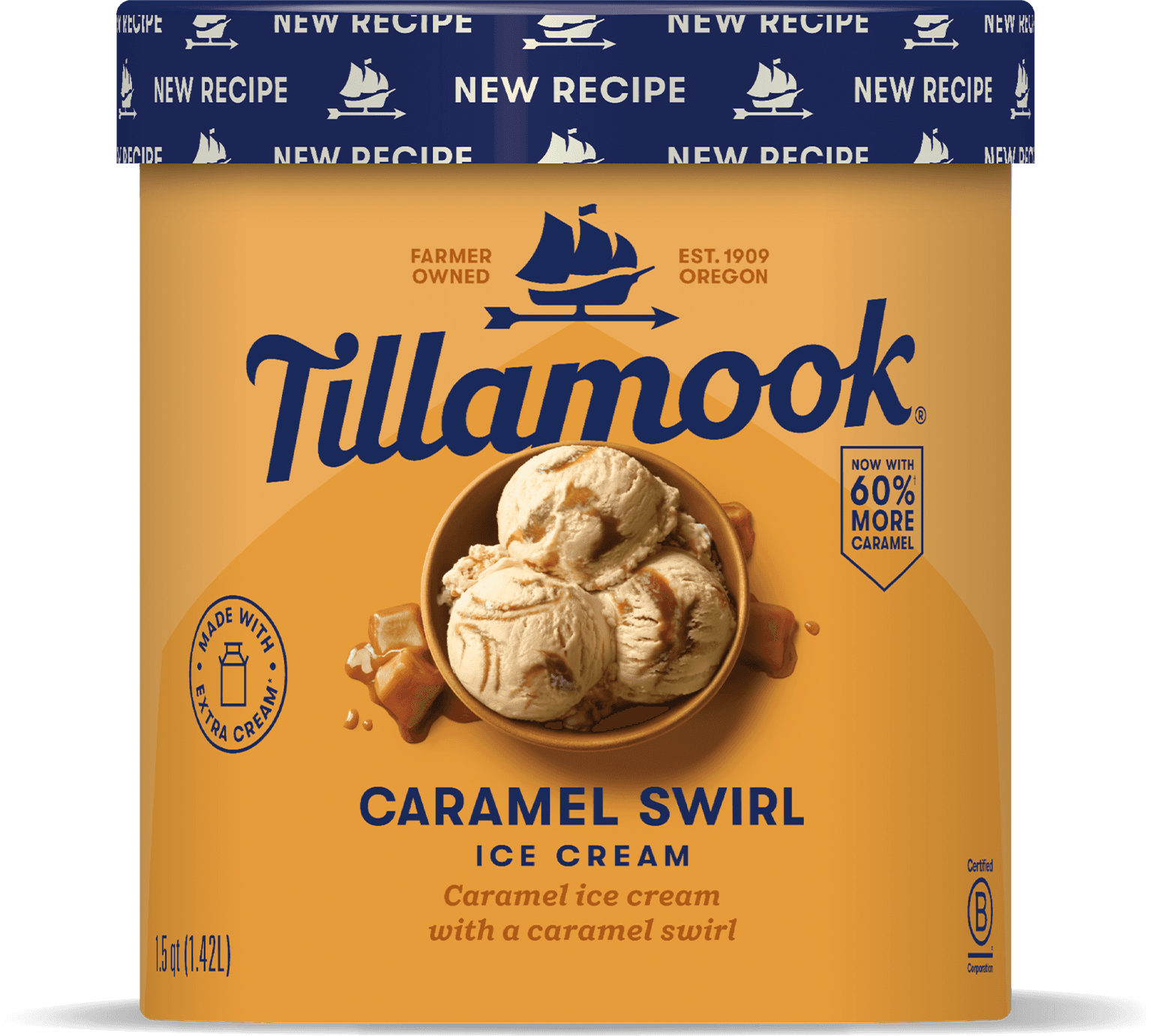
This ice cream bonbon contains beneficial ingredients like coconut cream, seaweed fiber, and egg yolks, which provide healthy fats and nutrients. However, it is heavily processed and includes refined cane sugar and natural flavors, which detract from its overall healthiness. The product's ultra-processed nature limits its score, despite some positive ingredient choices.
Key ingredients 15
Coconut CreamGood
Coconut cream is a rich source of healthy fats, particularly medium-chain triglycerides (MCTs). It provides a creamy texture and flavor to the product. MCTs are easily digestible and may support energy metabolism.
Risks
High in saturated fats, which should be consumed in moderation.
Benefits
Contains MCTs that may support energy metabolism and provide a quick source of energy.
Seaweed FiberGood
Seaweed fiber is a natural source of dietary fiber that can aid in digestion. It is minimally processed and retains beneficial nutrients. Fiber from seaweed may support gut health and provide prebiotic benefits.
Benefits
Supports digestive health and may provide prebiotic benefits that promote a healthy gut microbiome.
Sea SaltGood
Sea salt is a minimally processed salt that contains trace minerals. It enhances flavor without the additives found in refined table salt. The presence of trace minerals can provide additional health benefits.
Risks
Excessive sodium intake can lead to high blood pressure and cardiovascular issues.
Benefits
Provides essential sodium and trace minerals that support various bodily functions.
Egg YolksGood
Egg yolks are a rich source of vitamins, minerals, and healthy fats. They provide lecithin, which acts as a natural emulsifier in foods. The presence of choline supports brain health and development.
Risks
May pose allergy risks for individuals sensitive to eggs.
Benefits
Rich in nutrients like choline, which supports brain health and development.
MilkGood
Milk is a source of high-quality protein and essential nutrients like calcium and vitamin D. It provides a creamy texture and nutritional benefits to the product. The presence of lactose may be a concern for lactose-intolerant individuals.
Risks
May cause digestive issues for lactose-intolerant individuals.
Benefits
Provides high-quality protein and essential nutrients like calcium and vitamin D.
RadishGood
Radish is a low-calorie vegetable rich in vitamins and antioxidants. It adds a unique flavor and potential health benefits to the product. The presence of antioxidants may support immune health.
Benefits
Rich in vitamins and antioxidants that may support immune health.
Orange JuiceGood
Orange juice is a source of vitamin C and other antioxidants. It provides a natural sweetness and nutritional benefits to the product. The presence of vitamin C supports immune function and skin health.
Risks
High in natural sugars, which should be consumed in moderation.
Benefits
Provides vitamin C and antioxidants that support immune function and skin health.
WaterNeutral
Water is a neutral ingredient used as a base in many food products. It provides no calories or nutrients but is essential for hydration. In this product, it acts as a solvent and carrier for other ingredients.
See more about Water →Organic Rice Syrup SolidsNeutral
Organic rice syrup solids are used as a sweetener and provide a source of carbohydrates. Being organic indicates fewer pesticides and chemicals used in production. It is less sweet than cane sugar and has a lower glycemic index.
Risks
May contribute to increased blood sugar levels if consumed in large amounts.
Benefits
Provides a source of energy with a lower glycemic index compared to refined sugars.
Fruit PectinNeutral
Standard formulation ingredient — neither beneficial nor harmful at typical use.
Benefits
May help lower cholesterol levels and improve gut health due to its soluble fiber content.
Lactic AcidNeutral
Lactic acid is used as a preservative and acidity regulator in foods. It is naturally occurring and generally recognized as safe. It helps maintain product stability and shelf life.
Benefits
Helps maintain product stability and shelf life by regulating acidity.
Locust Bean GumNeutral
Locust bean gum is a natural thickening agent derived from carob seeds. It is used to improve texture and stability in food products. It is generally recognized as safe and minimally processed.
Benefits
Improves texture and stability in food products without significant health risks.
Cane SugarBad
Cane sugar is a refined sugar that can contribute to increased calorie intake and potential weight gain. It is associated with a higher risk of metabolic diseases when consumed in excess. Unlike whole food sugars, it lacks additional nutrients.
Risks
Excessive consumption can lead to obesity, type 2 diabetes, and dental cavities.
CaramelBad
Processed additive flagged under Scout's ingredient doctrine.
Risks
High sugar content can contribute to health issues if consumed in excess.
Natural FlavorsBad
Natural flavors are often used to enhance taste but can be highly processed and lack transparency. They may contain a variety of compounds not disclosed on labels. This lack of transparency can be concerning for consumers seeking clean labels.
Risks
Potential allergens and undisclosed compounds may pose health risks for sensitive individuals.
Processing
Ultra-Processed Foods
Get the full breakdown in the Scout appTake Scout shopping
Scan any product to see lab results, healthy alternatives, and your personalized analysis.
Download on theApp Store GET IT ONGoogle Play