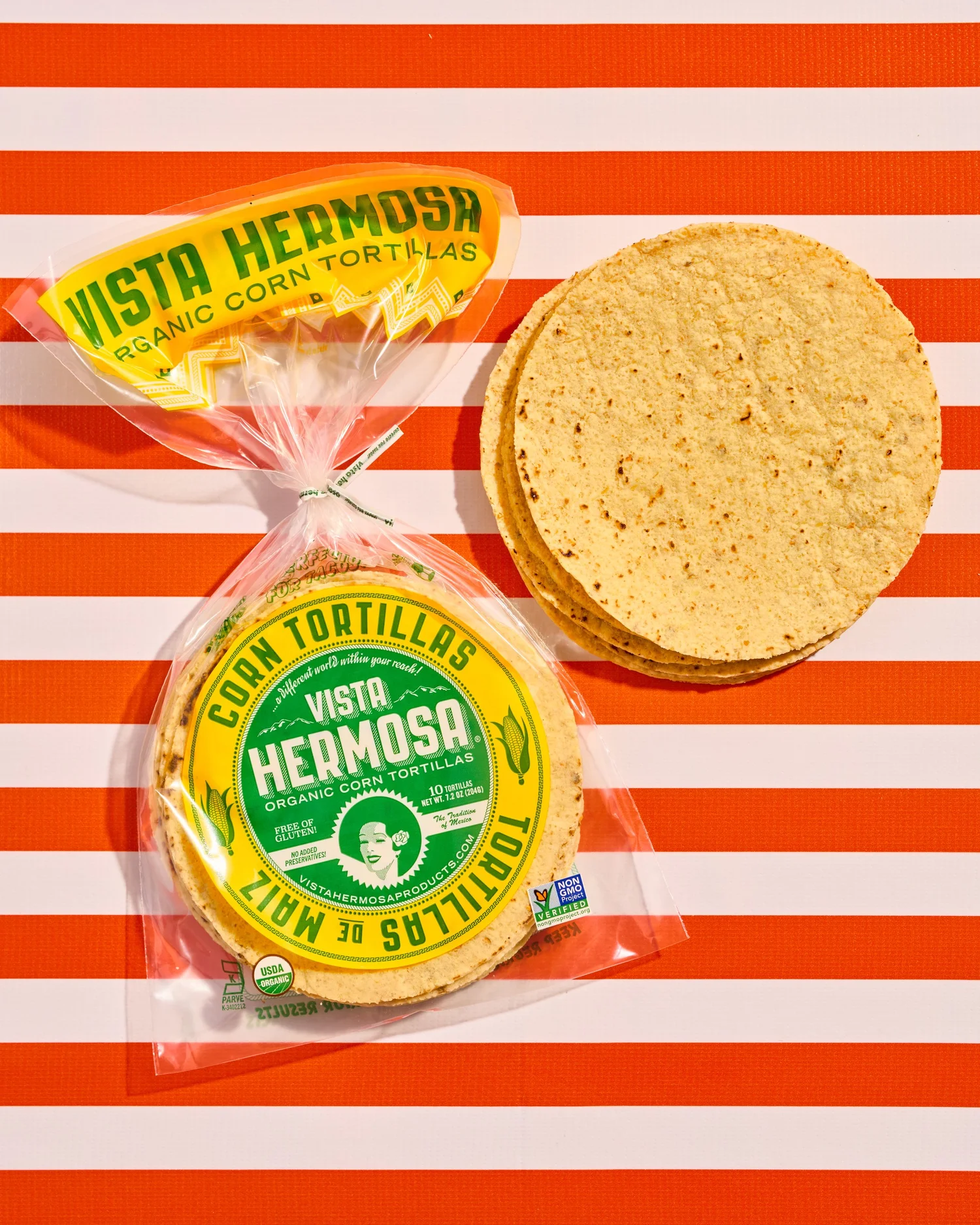
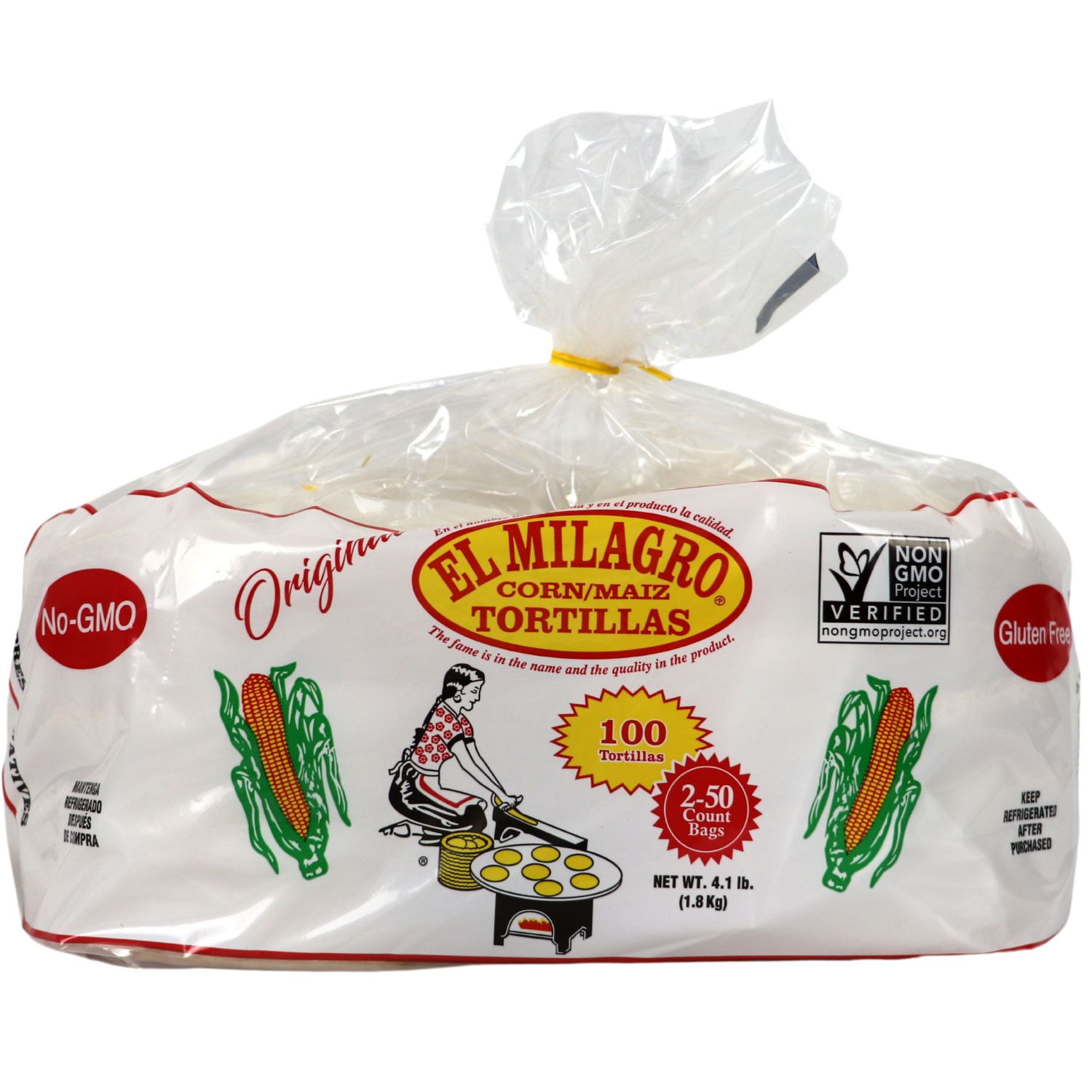
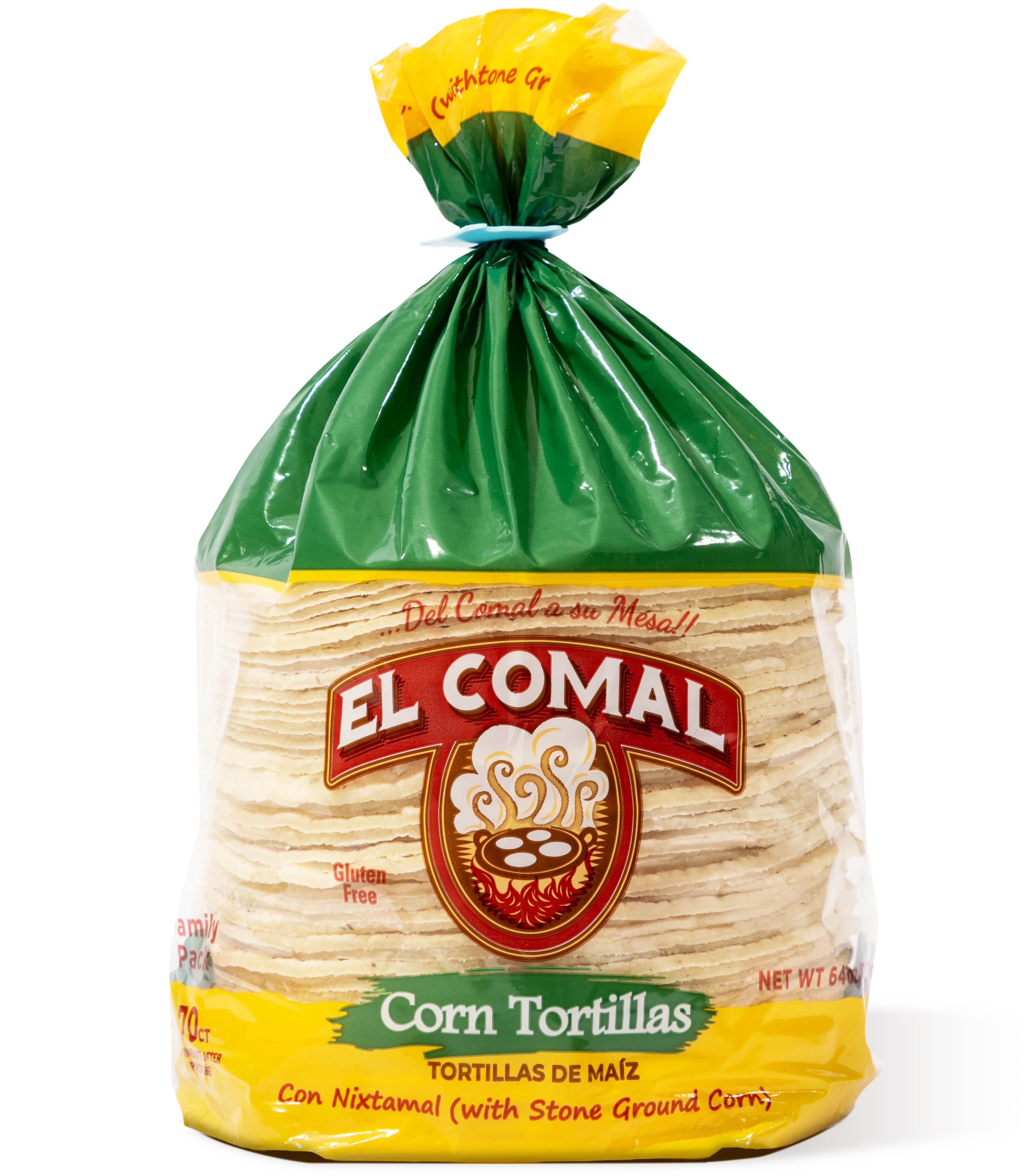
Corn Tortillas
At a glance
Summary
The corn tortillas are made with stone ground non-GMO corn, which is a beneficial whole grain ingredient. However, the product is ultra-processed and contains synthetic preservatives like calcium propionate and sorbic acid, which detract from its natural quality. Despite having no added sugars and a relatively clean ingredient list, the level of processing limits its overall healthiness.
Key ingredients 10
Stone Ground Non-GMO CornGood
Stone ground non-GMO corn is a whole grain that provides fiber and essential nutrients. The nixtamalization process enhances the bioavailability of niacin and other nutrients. It is a minimally processed ingredient that supports digestive health.
Benefits
Provides dietary fiber and essential nutrients like niacin, supporting digestive health and nutrient absorption.
Non-GMO Yellow Corn FlourNeutral
Non-GMO yellow corn flour is a refined grain product that lacks some of the nutrients found in whole corn. It is used to improve texture and consistency in tortillas. While it is less nutritious than whole corn, it is free from genetic modification.
Risks
May contribute to a higher glycemic index compared to whole grain corn.
Benefits
Provides carbohydrates for energy and is free from genetic modification.
Guar GumNeutral
Guar gum is a natural thickening agent derived from guar beans. It is used to improve texture and shelf stability in food products. While generally safe, excessive consumption may cause digestive discomfort.
Risks
Excessive consumption may lead to digestive issues such as bloating or gas.
Benefits
Helps improve texture and shelf stability of food products.
Calcium AcidNeutral
Calcium acid is used as a leavening agent and to regulate acidity in food products. It is generally recognized as safe when used in small amounts. It does not provide significant nutritional benefits.
Benefits
Helps regulate acidity and acts as a leavening agent in food products.
Cellulose GumNeutral
Cellulose gum is a thickening and stabilizing agent derived from plant fibers. It is widely used in food products to improve texture. It is considered safe but offers no nutritional benefits.
Benefits
Improves texture and stability of food products.
Fumaric AcidNeutral
Fumaric acid is used as an acidity regulator and flavor enhancer in food products. It is generally recognized as safe when used in small amounts. It does not provide significant nutritional benefits.
Benefits
Enhances flavor and regulates acidity in food products.
EnzymesNeutral
Enzymes are used to improve the texture and quality of food products. They are naturally occurring proteins that facilitate biochemical reactions. Generally recognized as safe, they do not provide direct nutritional benefits.
Benefits
Improve texture and quality of food products through natural biochemical reactions.
Trace of LimeNeutral
Trace of lime is used in the nixtamalization process to enhance the nutritional profile of corn. It helps increase the bioavailability of niacin and other nutrients. The amount used is minimal and does not pose significant health risks.
Benefits
Enhances the nutritional profile of corn by increasing the bioavailability of niacin.
Calcium PropionateBad
Calcium propionate is a preservative used to prevent mold and bacterial growth in baked goods. While effective, it may cause allergic reactions or digestive issues in sensitive individuals. It is a synthetic additive that detracts from the natural quality of the product.
Risks
May cause allergic reactions or digestive issues in sensitive individuals.
Benefits
Prevents mold and bacterial growth, extending shelf life of baked goods.
Sorbic AcidBad
Sorbic acid is a preservative used to inhibit mold and yeast growth in food products. While effective, it may cause allergic reactions in some individuals. It is a synthetic additive that detracts from the natural quality of the product.
Risks
May cause allergic reactions in sensitive individuals.
Benefits
Inhibits mold and yeast growth, extending shelf life of food products.
Processing
Ultra-Processed Foods
Get the full breakdown in the Scout appTake Scout shopping
Scan any product to see lab results, healthy alternatives, and your personalized analysis.
Are you Magnolia? Fix an error Get the badge Get tested