
Cottage Cheese
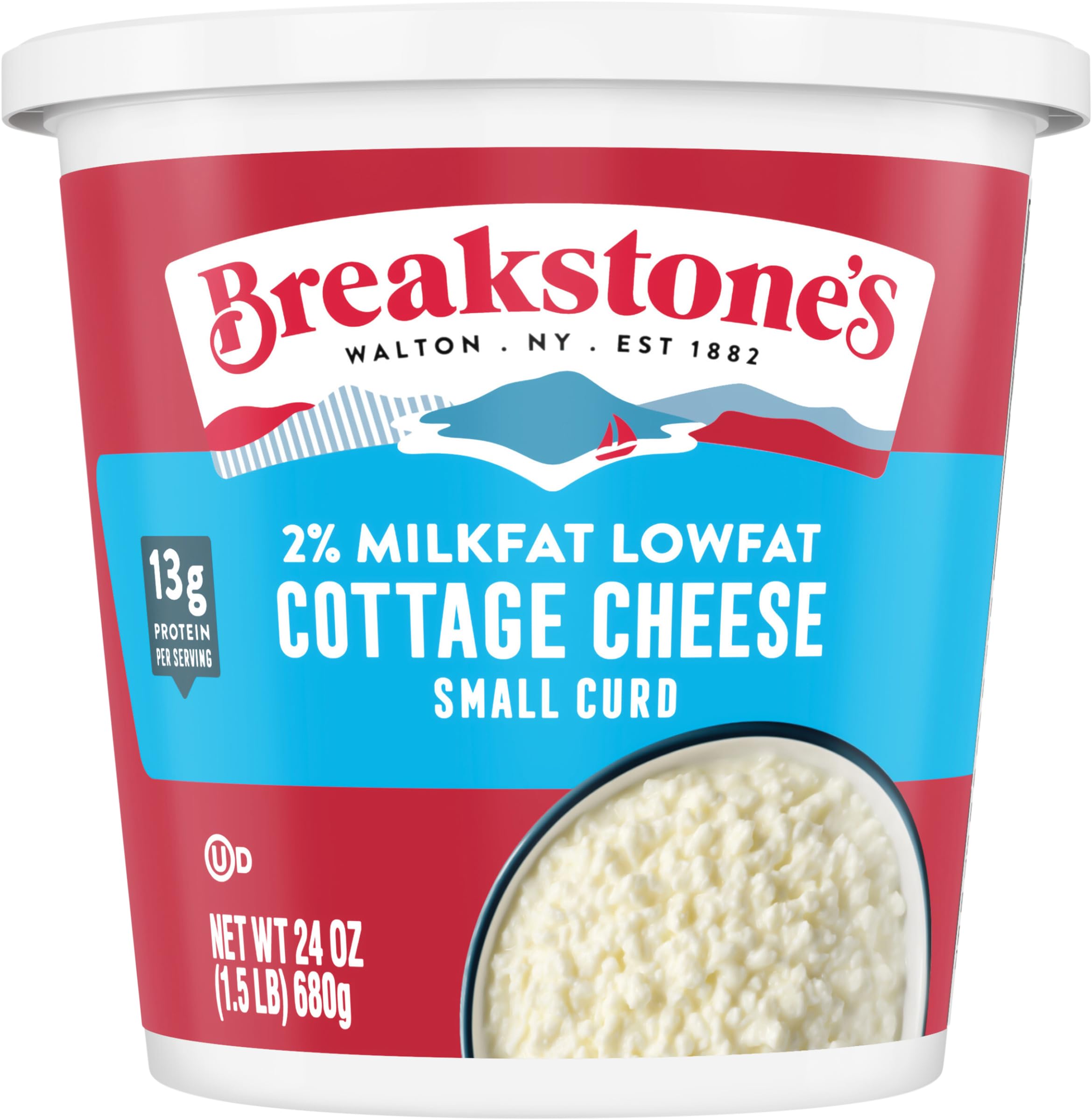
At a glance
Summary
This cottage cheese is ultra-processed, containing additives like modified food starch, xanthan gum, and natural flavor, which contribute to its processed nature. While it includes beneficial ingredients such as cultured pasteurized milk and cream, the presence of these additives and the high level of processing limit its healthfulness compared to more traditional cheese products.
Key ingredients 11
Cultured pasteurized grade A skim milkGood
This is a high-quality source of protein and calcium. Pasteurization ensures safety by eliminating harmful bacteria. Culturing adds beneficial probiotics that support gut health.
Benefits
Provides essential nutrients like protein and calcium, and supports digestive health through probiotics.
Milk and creamGood
Milk and cream are natural sources of calcium and vitamin D. They contribute to the creamy texture and nutritional profile of the product. The presence of cream adds healthy fats that are beneficial in moderation.
Risks
May pose a risk for individuals with lactose intolerance or dairy allergies.
Benefits
Rich in calcium and vitamin D, supporting bone health. Cream provides healthy fats that are beneficial for energy and nutrient absorption.
Vitamin D3Good
Beneficial ingredient — whole-food or functional value in this product class.
Benefits
Essential for bone health and calcium absorption, supporting overall health.
WheyNeutral
Whey is a byproduct of cheese production and a source of protein. It is often used to enhance the protein content of dairy products. While beneficial for muscle repair, it is neutral in this context due to its processing.
Risks
May cause digestive issues for those with lactose intolerance.
Benefits
Provides a complete protein source that supports muscle repair and growth.
SaltNeutral
Salt is used for flavor enhancement and preservation. It is a common ingredient in cheese products. While necessary for taste, excessive consumption can lead to health issues.
Risks
Excessive intake may contribute to high blood pressure and cardiovascular issues.
Benefits
Enhances flavor and acts as a preservative in food products.
Calcium phosphateNeutral
Calcium phosphate is used as a mineral supplement and stabilizer. It helps maintain the texture and nutritional profile of the product. It is generally recognized as safe in food applications.
Benefits
Contributes to the calcium content of the product, supporting bone health.
Xanthan gumNeutral
Fermentation-derived thickener, well tolerated at food-use levels.
Risks
May cause digestive discomfort in some individuals, especially in large amounts.
Guar gumNeutral
Guar gum is used as a thickening and stabilizing agent. It is derived from guar beans and is considered safe in moderate amounts. It helps maintain the consistency of the product.
Risks
Excessive consumption may lead to digestive issues such as bloating or gas.
Benefits
Helps improve the texture and stability of food products.
Vitamin A palmitateNeutral
Vitamin A palmitate is a synthetic form of vitamin A used to fortify foods. It helps maintain vision and immune function. While beneficial, it is neutral due to its synthetic nature.
Risks
Excessive intake can lead to hypervitaminosis A, a condition caused by vitamin A toxicity.
Benefits
Supports vision and immune health by providing an essential nutrient.
Modified food starchBad
Modified food starch is used as a thickener and stabilizer. It is highly processed and can affect the texture of the product. Its nutritional value is minimal, contributing mostly empty calories.
Risks
May cause digestive issues in sensitive individuals and contributes to the ultra-processed nature of the product.
Natural flavorBad
Natural flavor is a catch-all term for flavoring agents derived from natural sources. Its vague labeling can mask a variety of substances. It contributes to the ultra-processed nature of the product.
Risks
May contain allergens or substances that some individuals are sensitive to.
Processing
Ultra-Processed Foods
Get the full breakdown in the Scout appTake Scout shopping
Scan any product to see lab results, healthy alternatives, and your personalized analysis.
Are you Breakstone's? Fix an error Get the badge Get tested


