

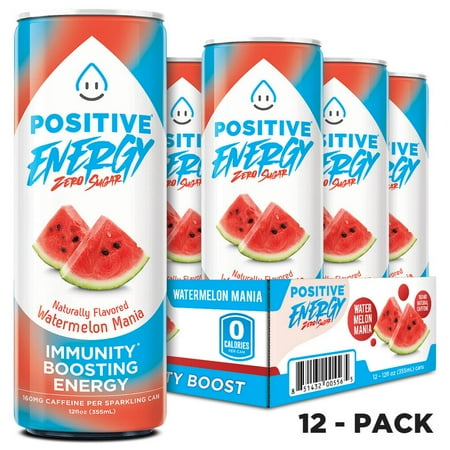


At a glance
Summary
This zero sugar energy drink contains beneficial ingredients like Carnosyn Beta-Alanine and L-Citrulline, which support athletic performance. However, it includes artificial sweeteners such as sucralose and acesulfame potassium, which may have potential health concerns. The presence of synthetic preservatives and natural flavors also contributes to its high processing level, impacting the overall score.
Key ingredients 14
Carnosyn Beta-AlanineGood
Carnosyn Beta-Alanine is a patented form of beta-alanine, an amino acid that enhances athletic performance by increasing muscle carnosine levels. It is well-researched and shown to improve exercise capacity and reduce muscle fatigue. This ingredient is often used in sports supplements for its performance-enhancing benefits.
Risks
Excessive consumption may cause paresthesia, a tingling sensation, but it is generally harmless.
Benefits
Improves exercise performance and reduces muscle fatigue, making it beneficial for athletes.
L-CitrullineGood
L-Citrulline is an amino acid that may improve blood flow and enhance exercise performance. It is converted into L-arginine in the body, which increases nitric oxide production. This can lead to improved oxygen and nutrient delivery to muscles during exercise.
Benefits
May enhance exercise performance and improve blood flow.
NiacinamideGood
Vitamin B3 — evidence-backed skin and metabolic benefits.
Risks
Excessive intake can cause skin flushing and liver damage.
Benefits
Supports energy metabolism and skin health.
Carbonated WaterNeutral
Carbonated water is simply water that has been infused with carbon dioxide gas under pressure. It is a common base for many beverages and does not provide any significant nutritional value. It is generally considered safe for consumption.
See more about Carbonated Water →Malic AcidNeutral
Malic acid is a naturally occurring acid found in fruits and is used to add tartness to foods and beverages. It is generally recognized as safe when used in food products. It does not provide significant nutritional benefits but enhances flavor.
See more about Malic Acid →Betapower Betaine AnhydrousNeutral
Betaine anhydrous is a compound that may support heart health and improve exercise performance. It is derived from sugar beets and is used in supplements for its potential benefits. While it has some health benefits, its effects are not universally significant.
Benefits
May support heart health and improve exercise performance.
Citric AcidNeutral
Citric acid is a weak organic acid commonly used as a preservative and flavor enhancer in foods and beverages. It is naturally found in citrus fruits and is generally recognized as safe. It does not provide significant nutritional benefits.
See more about Citric Acid →Caffeine AnhydrousNeutral
Caffeine anhydrous is a dehydrated form of caffeine commonly used in energy drinks and supplements for its stimulant effects. It can enhance alertness and improve physical performance. However, excessive intake can lead to negative side effects such as jitteriness and insomnia.
Risks
Excessive consumption can lead to jitteriness, insomnia, and increased heart rate.
Benefits
Enhances alertness and may improve physical performance.
N-Acetyl-L-TyrosineNeutral
N-Acetyl-L-Tyrosine is a modified form of the amino acid tyrosine, used to support cognitive function and stress response. It is more bioavailable than regular tyrosine. While it may offer cognitive benefits, its effects are not universally significant.
Benefits
May support cognitive function and stress response.
CyanocobalaminNeutral
Cyanocobalamin is a synthetic form of vitamin B12 used in supplements and fortified foods. It is essential for nerve function and red blood cell production. While beneficial, it is less bioavailable than other forms of B12 like methylcobalamin.
Benefits
Essential for nerve function and red blood cell production.
Potassium SorbateBad
Potassium sorbate is a preservative used to inhibit mold and yeast growth in foods and beverages. While effective as a preservative, it is a synthetic additive and may cause allergic reactions in sensitive individuals. Its use is generally considered safe in small amounts, but it is not a natural ingredient.
Risks
May cause allergic reactions or skin irritation in sensitive individuals.
Natural FlavorsBad
Natural flavors are additives used to enhance the taste of food and beverages. They are derived from natural sources but can be highly processed and lack transparency. The term 'natural' does not guarantee health benefits or safety.
Risks
Lack of transparency and potential for containing allergens or unwanted chemicals.
SucraloseBad
Sucralose is an artificial sweetener used to provide sweetness without calories. It is much sweeter than sugar and is used in many diet products. While generally considered safe, some studies suggest it may affect gut health and insulin response.
Risks
May affect gut health and insulin response in some individuals.
Benefits
Provides sweetness without adding calories.
Acesulfame PotassiumBad
Acesulfame potassium is an artificial sweetener used to provide sweetness without calories. It is often used in combination with other sweeteners to enhance flavor. While approved for use, concerns exist about its long-term health effects.
Risks
Potential concerns about long-term health effects and may affect insulin response.
Benefits
Provides sweetness without adding calories.
Processing
Ultra-Processed Foods
Get the full breakdown in the Scout appTake Scout shopping
Scan any product to see lab results, healthy alternatives, and your personalized analysis.
Download on theApp Store GET IT ONGoogle Play