


At a glance
Summary
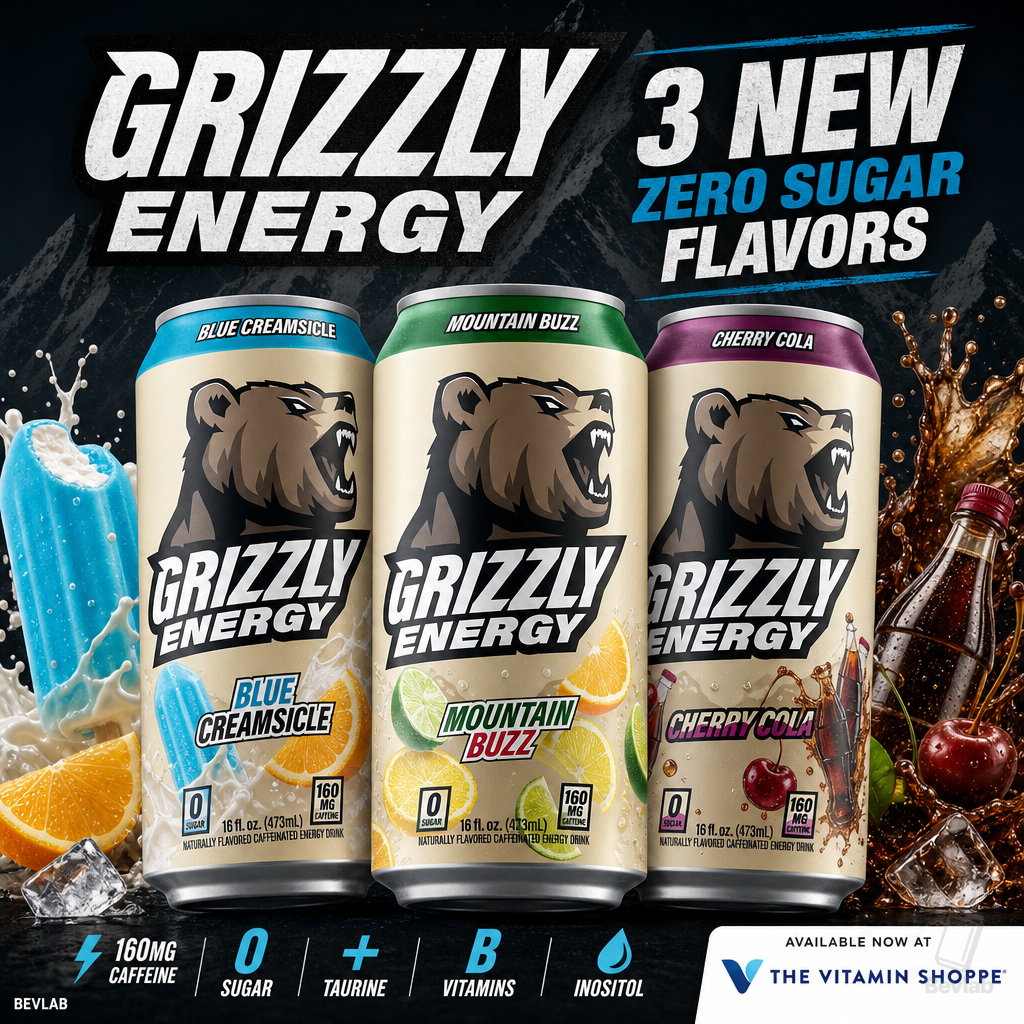
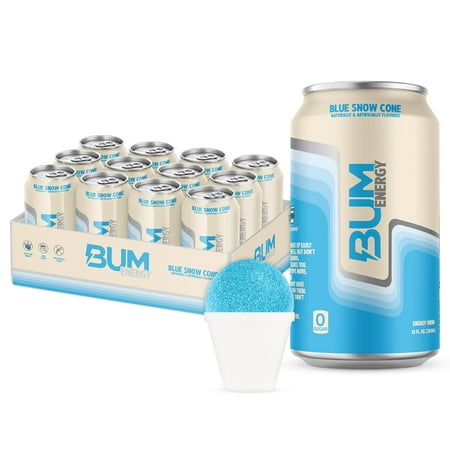
This energy drink contains beneficial ingredients like taurine and B-vitamins, which support energy metabolism and overall health. However, it also includes artificial sweeteners such as sucralose and acesulfame potassium, which are highly processed and may have potential health concerns. Additionally, the presence of sodium benzoate as a preservative raises concerns due to its potential to form harmful compounds under certain conditions.
Key ingredients 14
TaurineGood
Taurine is an amino acid that supports cardiovascular health and may improve exercise performance. It is naturally found in meat and fish and is often added to energy drinks for its potential benefits. Taurine is generally considered safe and beneficial in moderate amounts.
Benefits
Supports cardiovascular health and may enhance physical performance.
NiacinamideGood
Niacinamide, or Vitamin B3, is essential for energy metabolism and skin health. It is water-soluble and often added to foods and supplements to prevent deficiencies. It supports overall health and well-being.
Benefits
Supports energy metabolism and skin health.
Natural Vanilla ExtractGood
Natural vanilla extract is derived from vanilla beans and used for its flavoring properties. It is less processed compared to artificial vanilla flavoring and can provide a pleasant aroma and taste. It is generally considered safe and beneficial in small amounts.
Benefits
Provides natural flavor and aroma.
InositolGood
Inositol is a carbohydrate that plays a role in cell signaling and may support mental health. It is naturally found in fruits and grains and is often added to energy drinks for its potential benefits. It is generally considered safe and beneficial.
Benefits
May support mental health and cell signaling.
Pyridoxine HydrochlorideGood
Pyridoxine hydrochloride, or Vitamin B6, is essential for protein metabolism and cognitive development. It is water-soluble and often added to foods and supplements to prevent deficiencies. It supports overall health and well-being.
Benefits
Supports protein metabolism and cognitive development.
CyanocobalaminGood
Cyanocobalamin, or Vitamin B12, is crucial for nerve function and the production of red blood cells. It is often added to foods and supplements to prevent deficiencies, especially in vegetarians and vegans. It supports overall health and energy levels.
Benefits
Supports nerve function and red blood cell production.
Carbonated Filtered WaterNeutral
Carbonated filtered water is primarily used as a base for beverages, providing hydration without any calories or sugars. It undergoes filtration to remove impurities, ensuring a clean and safe ingredient. It does not contribute any significant nutritional value or health risks.
Citric AcidNeutral
Citric acid is a natural preservative and flavor enhancer commonly used in beverages. It is generally recognized as safe and helps to maintain the product's acidity and freshness. While it does not offer nutritional benefits, it is not associated with significant health risks.
Risks
Excessive consumption may lead to dental erosion.
Benefits
Helps preserve freshness and enhance flavor.
CaffeineNeutral
Caffeine is a stimulant that can enhance alertness and improve concentration. It is naturally found in coffee and tea and is commonly added to energy drinks. While beneficial in moderate amounts, excessive consumption can lead to negative health effects.
Risks
Excessive intake may cause insomnia, jitteriness, and increased heart rate.
Benefits
Enhances alertness and concentration.
D-GlucuronolactoneNeutral
D-Glucuronolactone is a naturally occurring compound often added to energy drinks for its potential detoxifying effects. It is generally recognized as safe, but its health benefits are not well-established. It does not pose significant health risks.
Benefits
Potential detoxifying effects, though not well-established.
Natural FlavorsBad
Natural flavors are a catch-all term for flavoring agents derived from natural sources but can be highly processed. The lack of transparency in their composition raises concerns about potential allergens and additives. They do not provide any nutritional benefits.
Risks
Potential allergens and additives may be present, with unknown health impacts.
SucraloseBad
Sucralose is an artificial sweetener used to provide sweetness without calories. It is highly processed and may affect gut health and insulin response. Despite being calorie-free, it does not offer any nutritional benefits.
Risks
May impact gut health and insulin response when consumed in large amounts.
Benefits
Provides sweetness without adding calories.
Sodium BenzoateBad
Sodium benzoate is a preservative used to prevent microbial growth in acidic foods and beverages. It can form benzene, a carcinogen, when combined with vitamin C under certain conditions. While effective as a preservative, it poses potential health risks.
Risks
Potential formation of benzene, a carcinogen, when combined with vitamin C.
Benefits
Extends shelf life by preventing microbial growth.
Acesulfame PotassiumBad
Acesulfame potassium is an artificial sweetener used to provide sweetness without calories. It is often used in combination with other sweeteners and may have potential health concerns related to its long-term consumption. It does not offer any nutritional benefits.
Risks
Potential health concerns related to long-term consumption.
Benefits
Provides sweetness without adding calories.
Processing
Ultra-Processed Foods
Get the full breakdown in the Scout appTake Scout shopping
Scan any product to see lab results, healthy alternatives, and your personalized analysis.
Download on theApp Store GET IT ONGoogle Play