
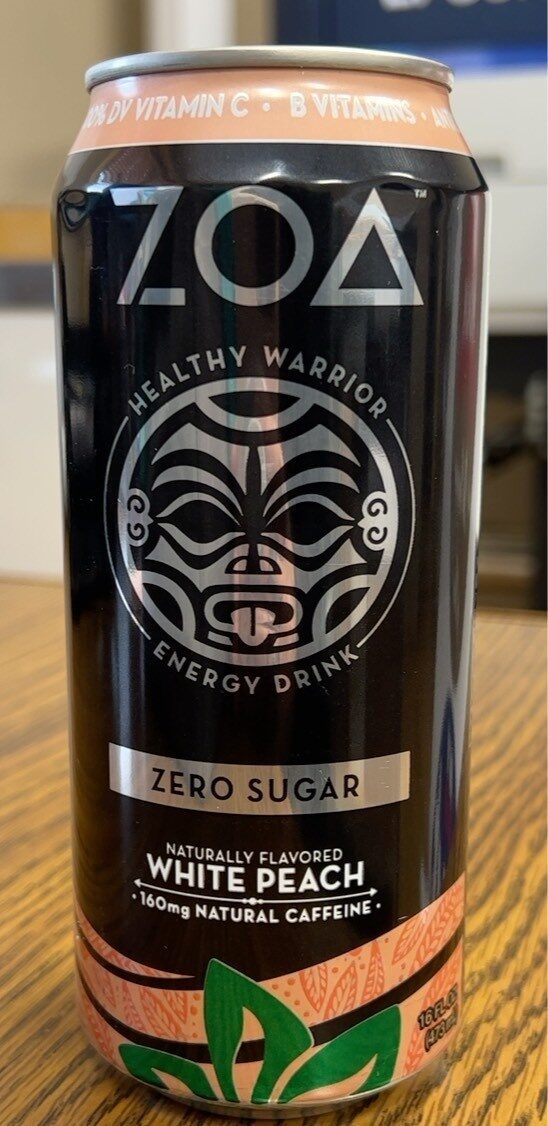


Zoa White Peach Zero Sugar
Analysis updated August 2026 · How Scout scores
At a glance
Summary
This energy drink contains zero added sugar, which is a positive aspect, but it includes artificial sweeteners like sucralose and acesulfame potassium, which can be concerning for some consumers. The presence of natural caffeine and beneficial ingredients such as green tea extract and amino acids adds value, but the use of artificial sweeteners and the ultra-processed nature of the product limit its overall healthiness.
Key ingredients 27
Beta-Carotene ColorGood
Beta-carotene is a natural pigment and antioxidant that can be converted into vitamin A in the body. It is used to provide color to foods and beverages. It supports eye health and immune function.
Benefits
Acts as an antioxidant and supports eye health and immune function.
L-LeucineGood
L-leucine is an essential amino acid important for protein synthesis and muscle repair. It is commonly used in sports nutrition products. It supports muscle growth and recovery.
Benefits
Supports muscle growth and recovery, aiding in protein synthesis.
Ascorbic AcidGood
Ascorbic acid, also known as vitamin C, is an essential nutrient and antioxidant. It supports immune function and skin health. It helps protect cells from oxidative damage.
Risks
High doses may cause gastrointestinal discomfort.
Benefits
Supports immune function and acts as an antioxidant.
Magnesium LactateGood
Magnesium lactate is a source of magnesium, an essential mineral important for muscle and nerve function. It is used to fortify foods and beverages. It supports bone health and energy production.
Risks
Excessive intake may lead to diarrhea or gastrointestinal discomfort.
Benefits
Supports muscle and nerve function, and contributes to bone health.
Green Tea ExtractGood
Green tea extract is rich in antioxidants, particularly catechins, which support metabolic health. It is used for its potential health benefits and mild caffeine content. It may aid in weight management and improve brain function.
Risks
High doses may cause liver issues in sensitive individuals.
Benefits
Rich in antioxidants, supports metabolic health and may aid in weight management.
Acerola Juice PowderGood
Acerola juice powder is derived from acerola cherries, which are high in vitamin C and antioxidants. It is used for its nutritional benefits and natural flavor. It supports immune health and provides antioxidant protection.
Benefits
High in vitamin C, supports immune health and provides antioxidant protection.
L-ValineGood
L-valine is an essential amino acid important for muscle metabolism and tissue repair. It is commonly included in sports nutrition products. It supports muscle growth and energy production.
Benefits
Supports muscle metabolism and tissue repair.
L-IsoleucineGood
L-isoleucine is an essential amino acid that plays a role in muscle recovery and energy production. It is often used in sports supplements. It aids in muscle repair and supports endurance.
Benefits
Aids in muscle repair and supports endurance.
L-GlutamineGood
L-glutamine is a non-essential amino acid that supports immune function and gut health. It is often used in sports and recovery supplements. It aids in muscle recovery and supports intestinal health.
Benefits
Supports immune function and gut health.
Choline BitartrateGood
Choline bitartrate is a source of choline, an essential nutrient important for brain health and liver function. It is used to support cognitive function and memory. It aids in neurotransmitter synthesis and supports liver health.
Risks
Excessive intake may lead to fishy body odor and gastrointestinal distress.
Benefits
Supports brain health and liver function.
Niacinamide (Vit. B3)Good
Niacinamide is a form of vitamin B3 that supports energy metabolism and skin health. It is used to fortify foods and beverages. It helps convert food into energy and supports skin barrier function.
Risks
High doses may cause flushing and liver toxicity.
Benefits
Supports energy metabolism and skin health.
D-Calcium PantothenateGood
D-calcium pantothenate is a form of vitamin B5 important for energy production and hormone synthesis. It is used to fortify foods and beverages. It supports adrenal function and energy metabolism.
Benefits
Supports energy production and hormone synthesis.
Pyridoxine Hydrochloride (Vit. B6)Good
Pyridoxine hydrochloride is a form of vitamin B6 that supports brain health and protein metabolism. It is used to fortify foods and beverages. It aids in neurotransmitter synthesis and supports immune function.
Risks
High doses may cause nerve damage.
Benefits
Supports brain health and protein metabolism.
Thiamin Hydrochloride (Vit. B1)Good
Thiamin hydrochloride is a form of vitamin B1 that supports energy metabolism and nerve function. It is used to fortify foods and beverages. It helps convert carbohydrates into energy and supports nervous system health.
Benefits
Supports energy metabolism and nerve function.
Riboflavin (Vit. B2)Good
Riboflavin is a form of vitamin B2 that supports energy production and antioxidant function. It is used to fortify foods and beverages. It helps convert food into energy and supports skin and eye health.
Benefits
Supports energy production and antioxidant function.
Camu Camu ExtractGood
Camu camu extract is derived from a fruit high in vitamin C and antioxidants. It is used for its nutritional benefits and natural flavor. It supports immune health and provides antioxidant protection.
Benefits
High in vitamin C, supports immune health and provides antioxidant protection.
Turmeric ExtractGood
Turmeric extract contains curcumin, a compound with anti-inflammatory and antioxidant properties. It is used for its potential health benefits. It may support joint health and reduce inflammation.
Risks
High doses may cause gastrointestinal discomfort.
Benefits
Contains curcumin, which has anti-inflammatory and antioxidant properties.
Cyanocobalamin (Vit. B12)Good
Cyanocobalamin is a form of vitamin B12 important for nerve function and red blood cell formation. It is used to fortify foods and beverages. It supports energy production and neurological health.
Benefits
Supports nerve function and red blood cell formation.
Carbonated WaterNeutral
Carbonated water is simply water infused with carbon dioxide gas under pressure. It is a common base for many beverages and does not provide any nutritional benefits or risks. It serves as a neutral carrier for other ingredients.
See more about Carbonated Water →Citric AcidNeutral
Citric acid is a natural acid found in citrus fruits, used as a preservative and flavor enhancer. It is generally recognized as safe but can cause tooth enamel erosion if consumed in excess. It helps to balance the acidity and enhance the flavor of the beverage.
Risks
Excessive consumption may lead to tooth enamel erosion.
Sodium CitrateNeutral
Sodium citrate is a salt of citric acid used as a preservative and to control acidity. It is generally recognized as safe and is commonly used in food and beverages. It helps maintain the stability and taste of the product.
See more about Sodium Citrate →Potassium CitrateNeutral
Potassium citrate is used to regulate acidity and as a potassium supplement. It is generally safe and can help maintain electrolyte balance. It contributes to the product's stability and taste.
Risks
Excessive intake may lead to hyperkalemia, especially in individuals with kidney issues.
Benefits
Helps maintain electrolyte balance and supports normal muscle function.
Natural CaffeineNeutral
Standard formulation ingredient — neither beneficial nor harmful at typical use.
Risks
Excessive consumption can lead to jitteriness, insomnia, and increased heart rate.
Benefits
Enhances alertness and energy levels, supporting mental and physical performance.
Folic AcidNeutral
Standard formulation ingredient — neither beneficial nor harmful at typical use.
Risks
Excessive intake may mask vitamin B12 deficiency.
Benefits
Supports DNA synthesis and fetal development.
Natural FlavorsBad
Natural flavors are a catch-all term for flavoring agents derived from natural sources but can be highly processed. The lack of transparency in their composition can be concerning for consumers. They are used to enhance the taste of the product without providing nutritional benefits.
Risks
Potential allergenicity and lack of transparency in ingredient sourcing.
SucraloseBad
Sucralose is an artificial sweetener used to provide sweetness without calories. It is much sweeter than sugar and can alter gut microbiota. It is used to reduce calorie content while maintaining sweetness.
Risks
May alter gut microbiota and cause digestive issues in some individuals.
Benefits
Provides sweetness without adding calories.
Acesulfame PotassiumBad
Acesulfame potassium is an artificial sweetener used to provide sweetness without calories. It is often used in combination with other sweeteners. Concerns exist about its long-term safety and potential to affect insulin response.
Risks
Potential to affect insulin response and concerns about long-term safety.
Benefits
Provides sweetness without adding calories.
Processing
Ultra-Processed Foods
Get the full breakdown in the Scout appTake Scout shopping
Scan any product to see lab results, healthy alternatives, and your personalized analysis.
Download on theApp Store GET IT ONGoogle PlayAmazon pricing & content
Amazon price as of . Product prices and availability are accurate as of the date/time indicated and are subject to change. Any price and availability information displayed on Amazon.com at the time of purchase will apply to the purchase of this product.
CERTAIN CONTENT THAT APPEARS ON THIS SITE COMES FROM AMAZON. THIS CONTENT IS PROVIDED “AS IS” AND IS SUBJECT TO CHANGE OR REMOVAL AT ANY TIME.