

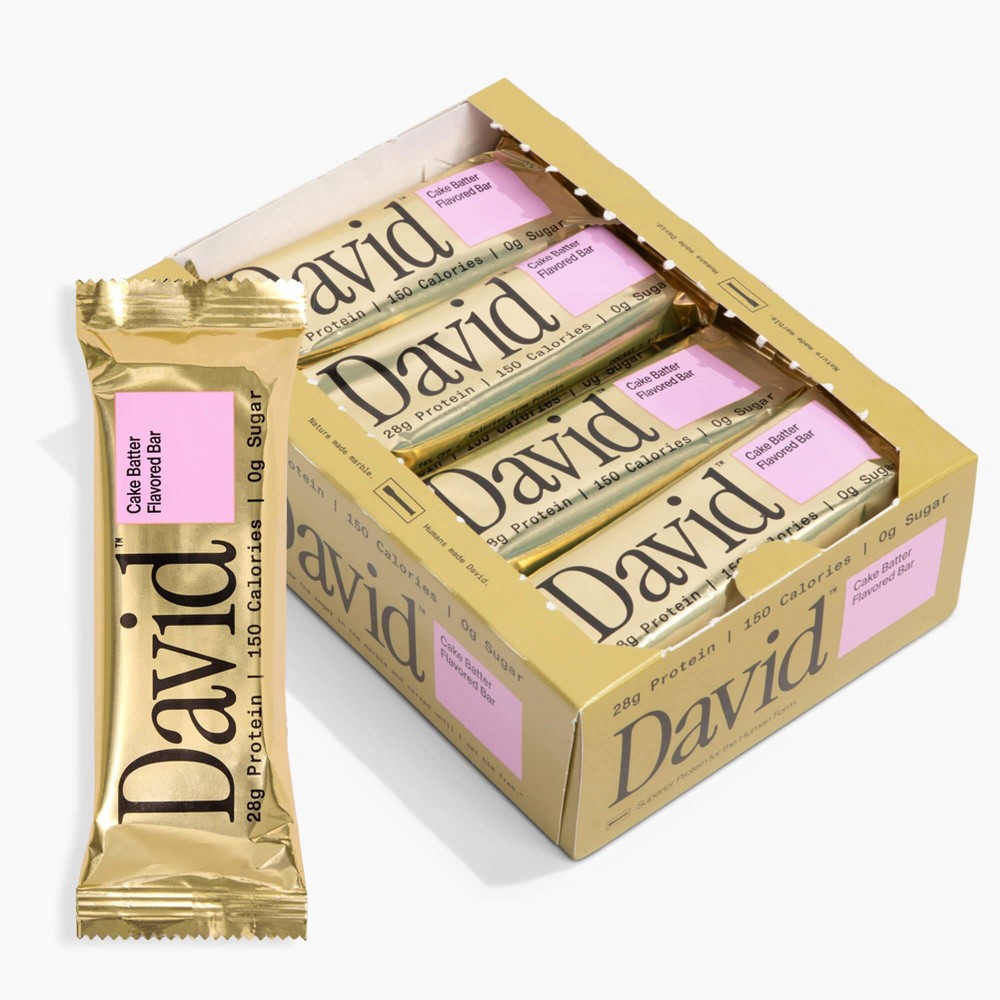


Ready Protein Bars
Summary
This protein bar contains a mix of beneficial ingredients like chicory root fiber and oats, which provide dietary fiber and support gut health. However, it is heavily penalized due to the presence of highly processed ingredients such as soy protein isolate and seed oils like canola and sunflower oil, which are linked to inflammation. The product's high processing level further limits its health score, despite its decent protein content.
At a glance
Key ingredients 25
Soy Protein CrispBad
Soy protein crisp is a processed form of soy protein that provides a crunchy texture. It is derived from soy protein isolate, which is heavily processed and may contain anti-nutrients. Animal-based proteins generally offer a more complete amino acid profile.
Risks
May contain anti-nutrients and is less bioavailable compared to animal-based proteins.
Benefits
Provides a source of protein and contributes to the texture of the product.
Soy Protein IsolateBad
Soy protein isolate is a highly processed form of soy protein used to increase protein content. It may contain anti-nutrients and is less bioavailable than animal-based proteins. The processing methods can also strip away beneficial compounds found in whole soy.
Risks
Potential presence of anti-nutrients and lower bioavailability compared to animal proteins.
Benefits
Offers a high protein content which can be beneficial for muscle building.
Tapioca StarchNeutral
Tapioca starch is a refined carbohydrate extracted from the cassava root. It is used as a thickening agent and provides a chewy texture. It is gluten-free and generally well-tolerated.
Benefits
Provides a gluten-free source of carbohydrates and contributes to the texture of the product.
Chicory Root FiberGood
Chicory root fiber is a natural source of inulin, a prebiotic fiber that supports gut health. It is minimally processed and can help improve digestive health by promoting beneficial gut bacteria. It also adds a slight sweetness without increasing sugar content.
Risks
Excessive consumption may cause digestive discomfort in some individuals.
Benefits
Supports digestive health by promoting beneficial gut bacteria and provides dietary fiber.
Agave SyrupNeutral
Agave syrup is a natural sweetener derived from the agave plant. It has a high fructose content, which can be concerning if consumed in large amounts. It is often used as a lower glycemic index alternative to sugar.
Risks
High fructose content may contribute to metabolic issues if consumed excessively.
Benefits
Provides sweetness with a lower glycemic index compared to regular sugar.
Milk Chocolate Confectionery CoatingNeutral
Milk chocolate confectionery coating is a processed chocolate product used for flavor and texture. It typically contains sugar, cocoa, and milk solids. While it adds flavor, it is also high in sugar and fat.
Risks
High sugar and fat content may contribute to weight gain if consumed in excess.
Benefits
Enhances flavor and provides a creamy texture to the product.
Palm Kernel OilBad
Palm kernel oil is a highly saturated fat derived from the kernel of the palm fruit. It is often used in processed foods for its stability and texture. The production of palm oil is associated with environmental concerns and deforestation.
Risks
High in saturated fats which may impact heart health negatively if consumed in excess.
Benefits
Provides stability and texture to processed foods.
Nonfat Dry MilkGood
Nonfat dry milk is a dehydrated form of milk that retains most of the nutritional benefits of fresh milk. It is a good source of protein and calcium. The drying process allows for a longer shelf life without the need for refrigeration.
Benefits
Provides protein and calcium, supporting bone health and muscle function.
Cocoa PowderGood
Cocoa powder is a natural product derived from cocoa beans, rich in antioxidants and flavonoids. It can support heart health and improve mood. The processing retains most of the beneficial compounds found in cocoa beans.
Benefits
Rich in antioxidants that support heart health and may improve mood.
Soy LecithinNeutral
Soy lecithin is an emulsifier derived from soybeans, used to improve texture and consistency. It is generally considered safe and is minimally processed. It helps blend ingredients that would otherwise separate.
Benefits
Improves texture and consistency of the product.
SaltNeutral
Salt is a common seasoning used to enhance flavor. It is minimally processed and essential for various bodily functions. However, excessive intake can lead to health issues such as hypertension.
Risks
Excessive consumption may lead to hypertension and cardiovascular issues.
Benefits
Enhances flavor and is essential for maintaining fluid balance in the body.
Coated OatsGood
Coated oats are whole oats that have been lightly processed to improve texture and flavor. They are a good source of dietary fiber and can help regulate blood sugar levels. The coating process typically involves minimal additives.
Benefits
Provides dietary fiber and helps regulate blood sugar levels.
OatsGood
Oats are a whole grain rich in dietary fiber, particularly beta-glucan, which supports heart health. They are minimally processed and provide a slow-release source of energy. Oats can help lower cholesterol levels and improve digestion.
Benefits
Supports heart health and provides a slow-release source of energy.
Cane SugarBad
Cane sugar is a refined sugar used to sweeten foods. It is high in calories and can contribute to weight gain and metabolic issues if consumed in excess. The refining process removes any beneficial nutrients found in the raw sugar cane.
Risks
High consumption can lead to weight gain and metabolic issues.
Benefits
Provides sweetness and energy, but lacks nutritional benefits.
Canola OilVery Bad
Canola oil is a refined seed oil high in omega-6 fatty acids, which can promote inflammation if consumed in excess. It is heavily processed and often genetically modified. The refining process can also strip away beneficial nutrients.
Risks
High omega-6 content may promote inflammation and is often genetically modified.
Benefits
Provides a source of fat, but lacks significant nutritional benefits.
Peanut ButterGood
Peanut butter is a nutrient-dense food rich in healthy fats, protein, and various vitamins and minerals. It is minimally processed when made from pure peanuts. It provides a good source of energy and supports muscle growth.
Risks
Potential allergen for some individuals.
Benefits
Rich in healthy fats and protein, supporting energy levels and muscle growth.
Whey Protein CrispGood
Whey protein crisp is a form of whey protein that provides a crunchy texture and high-quality protein. It is derived from milk and offers a complete amino acid profile. The processing retains most of the beneficial nutrients found in whey.
Benefits
Provides high-quality protein with a complete amino acid profile.
Whey Protein ConcentrateGood
Whey protein concentrate is a high-quality protein source derived from milk. It contains essential amino acids that support muscle repair and growth. The processing retains most of the beneficial nutrients found in milk.
Benefits
Supports muscle repair and growth with a complete amino acid profile.
Rice FlourNeutral
Rice flour is a gluten-free flour made from finely milled rice. It is used as a thickening agent and provides a source of carbohydrates. It is minimally processed and generally well-tolerated.
Benefits
Provides a gluten-free source of carbohydrates.
Sunflower OilVery Bad
Sunflower oil is a refined seed oil high in omega-6 fatty acids, which can promote inflammation if consumed in excess. It is heavily processed and lacks significant nutritional benefits. The refining process can also strip away beneficial nutrients.
Risks
High omega-6 content may promote inflammation.
Benefits
Provides a source of fat, but lacks significant nutritional benefits.
Peanut FlourGood
Peanut flour is a protein-rich flour made from defatted peanuts. It is minimally processed and provides a good source of protein and fiber. It can enhance the nutritional profile of foods without adding excessive fat.
Risks
Potential allergen for some individuals.
Benefits
Rich in protein and fiber, supporting muscle growth and digestive health.
GlycerinNeutral
Glycerin is a sugar alcohol used as a sweetener and humectant to retain moisture. It is generally considered safe and is minimally processed. It provides sweetness without significantly impacting blood sugar levels.
Risks
Excessive consumption may cause digestive discomfort.
Benefits
Helps retain moisture and provides sweetness with a lower glycemic impact.
FlaxseedGood
Flaxseed is a nutrient-dense seed rich in omega-3 fatty acids, fiber, and lignans. It supports heart health and may reduce inflammation. It is minimally processed and provides a variety of health benefits.
Benefits
Rich in omega-3 fatty acids and fiber, supporting heart health and reducing inflammation.
Sea SaltGood
Unrefined sea salt — a minimally processed, natural source of sodium and essential trace minerals, and a legitimate whole-food seasoning. Treated as a positive ingredient.
Risks
Excessive consumption may lead to hypertension and cardiovascular issues.
Benefits
Enhances flavor and provides essential sodium and trace minerals.
Natural FlavorsBad
Natural flavors are additives used to enhance taste, derived from natural sources but often heavily processed. They can contain a variety of chemical compounds and lack transparency. The term 'natural' does not guarantee health benefits or safety.
Risks
Lack of transparency and potential for containing multiple chemical compounds.
Benefits
Enhances flavor without adding calories, but lacks nutritional benefits.
Processing
Ultra-Processed Foods
Get the full breakdown in the Scout app
Scan any product to see lab results, healthy alternatives, and your personalized analysis.
Download on theApp Store