

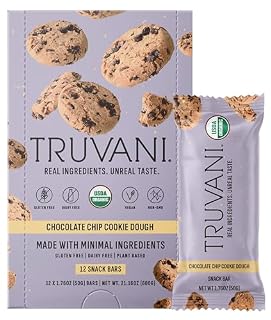
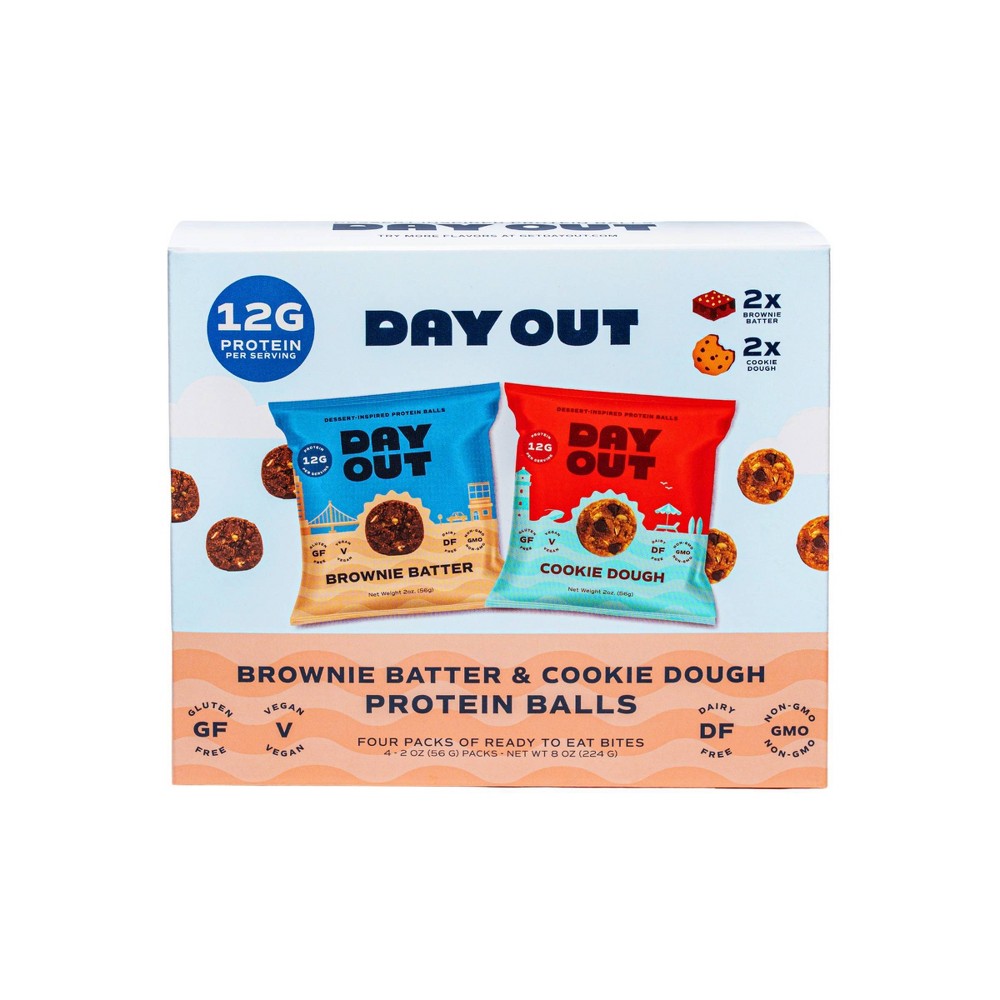


Cookie Dough
Summary
This cookie dough contains several beneficial ingredients like whey protein isolate, almond flour, and coconut oil, which contribute to its nutritional profile. However, it is heavily processed and includes refined sugars such as powdered sugar and cane sugar, which are highly processed and offer no nutritional benefits. The presence of multiple additives and its classification as an ultra-processed food significantly impact its overall healthiness.
At a glance
Key ingredients 21
Whole MilkGood
Whole milk is a source of high-quality protein and essential nutrients like calcium and vitamin D. It is minimally processed and provides a balanced profile of macronutrients. Compared to plant-based alternatives, it offers a more complete amino acid profile.
Risks
May cause lactose intolerance symptoms in sensitive individuals.
Benefits
Rich in calcium and vitamin D, supporting bone health and muscle function.
AlluloseNeutral
Allulose is a low-calorie sweetener that mimics the taste of sugar without the calories. It is generally recognized as safe and does not raise blood sugar levels. However, it is less studied than traditional sugars.
Risks
Excessive consumption may cause digestive discomfort in some individuals.
Benefits
Provides sweetness with minimal impact on blood sugar levels, making it suitable for low-calorie diets.
CreamGood
Cream is a dairy product rich in fats and fat-soluble vitamins like A and D. It is minimally processed and adds richness and flavor to foods. Compared to non-dairy creamers, it is free from artificial additives.
Risks
High in saturated fats, which should be consumed in moderation.
Benefits
Provides a source of fat-soluble vitamins and enhances the flavor and texture of foods.
Whey Protein IsolateVery Good
Whey protein isolate is a high-quality protein source with a complete amino acid profile. It is highly bioavailable and supports muscle growth and repair. Compared to plant-based proteins, it offers superior absorption and utilization.
Benefits
Supports muscle growth and recovery due to its complete amino acid profile and high bioavailability.
ButterGood
Butter is a natural source of fats and fat-soluble vitamins like A and E. It is minimally processed and provides a rich flavor to foods. Compared to margarine, it is free from trans fats and artificial additives.
Risks
High in saturated fats, which should be consumed in moderation.
Benefits
Rich in fat-soluble vitamins and provides a natural source of energy.
Tapioca SyrupNeutral
Tapioca syrup is a natural sweetener derived from cassava root. It is less processed than high fructose corn syrup and provides a mild sweetness. However, it is still a source of simple carbohydrates.
Risks
May contribute to increased blood sugar levels if consumed in large amounts.
Benefits
Offers a natural alternative to more processed sweeteners, with a mild flavor profile.
Almond FlourVery Good
Almond flour is a gluten-free alternative to wheat flour, rich in healthy fats and protein. It is minimally processed and retains the nutrients of whole almonds. Compared to refined flours, it offers a lower glycemic impact.
Benefits
Provides healthy fats, protein, and fiber, supporting heart health and satiety.
Egg YolkGood
Egg yolk is a nutrient-dense food rich in vitamins, minerals, and healthy fats. It is minimally processed and provides essential nutrients like choline and vitamin D. Compared to egg whites, it offers more micronutrients.
Risks
Contains cholesterol, which may be a concern for individuals with specific dietary restrictions.
Benefits
Rich in essential nutrients like choline, supporting brain health and metabolism.
Powdered SugarBad
Powdered sugar is a refined sugar that contributes to increased calorie intake without providing essential nutrients. It is highly processed and can lead to spikes in blood sugar levels. Compared to natural sweeteners, it offers no nutritional benefits.
Risks
High consumption may lead to weight gain and increased risk of metabolic disorders.
Cane SugarBad
Cane sugar is a refined sugar that provides empty calories and can contribute to weight gain. It is highly processed and can cause rapid spikes in blood sugar levels. Compared to whole food sweeteners, it lacks nutritional value.
Risks
Excessive consumption may increase the risk of obesity and type 2 diabetes.
Coconut OilGood
Coconut oil is a source of medium-chain triglycerides (MCTs) that may support metabolism and energy levels. It is minimally processed and provides a unique flavor profile. Compared to seed oils, it is more stable at high temperatures.
Risks
High in saturated fats, which should be consumed in moderation.
Benefits
Rich in MCTs that may support energy metabolism and provide antimicrobial properties.
WaterNeutral
Water is a fundamental ingredient used to adjust consistency and texture in food products. It is essential for hydration and has no caloric content. In this context, it serves as a neutral medium without direct nutritional impact.
Benefits
Essential for hydration and contributes to the desired texture of the product.
Cocoa PowderGood
Cocoa powder is rich in antioxidants and flavonoids, which may support heart health. It is processed with alkali to reduce acidity, enhancing flavor and solubility. Compared to milk chocolate, it offers more concentrated nutrients.
Benefits
Provides antioxidants that may reduce inflammation and support cardiovascular health.
MolassesNeutral
Molasses is a byproduct of sugar refining that retains some minerals like iron and calcium. It is less processed than refined sugar and provides a distinct flavor. However, it is still a source of simple sugars.
Risks
May contribute to increased blood sugar levels if consumed in large amounts.
Benefits
Contains trace minerals like iron and calcium, offering slight nutritional benefits over refined sugar.
Vanilla ExtractNeutral
Vanilla extract is used for flavoring and is derived from vanilla beans. It is minimally processed and adds a natural aroma to foods. Compared to artificial vanilla flavoring, it is a more natural option.
Benefits
Enhances flavor and aroma without adding significant calories or nutrients.
Tapioca StarchNeutral
Tapioca starch is used as a thickening agent and is derived from cassava root. It is minimally processed and gluten-free, making it suitable for those with gluten sensitivities. However, it is primarily a source of carbohydrates.
Risks
May contribute to increased blood sugar levels if consumed in large amounts.
Benefits
Provides a gluten-free alternative for thickening and texture enhancement.
SaltNeutral
Salt is used to enhance flavor and preserve food. It is minimally processed and essential for various bodily functions. However, excessive intake can lead to health issues.
Risks
High sodium intake may increase the risk of hypertension and cardiovascular disease.
Benefits
Essential for maintaining fluid balance and nerve function.
Skim MilkNeutral
Skim milk is a low-fat dairy product that provides protein and calcium. It is processed to remove fat, making it lower in calories. Compared to whole milk, it offers fewer fat-soluble vitamins.
Risks
May cause lactose intolerance symptoms in sensitive individuals.
Benefits
Provides protein and calcium with reduced fat content.
Guar GumNeutral
Guar gum is a thickening agent derived from guar beans. It is used to improve texture and stability in food products. While generally safe, it is a processed additive.
Risks
Excessive consumption may cause digestive discomfort in some individuals.
Benefits
Improves texture and stability of food products without adding significant calories.
Monk FruitNeutral
Monk fruit is a natural sweetener that provides sweetness without calories. It is minimally processed and does not affect blood sugar levels. Compared to artificial sweeteners, it is a more natural option.
Benefits
Offers a calorie-free sweetening option suitable for low-sugar diets.
Sunflower LecithinNeutral
Sunflower lecithin is an emulsifier derived from sunflower seeds. It is used to improve texture and blend ingredients. Compared to soy lecithin, it is a non-GMO alternative.
Benefits
Enhances texture and consistency of food products.
Processing
Ultra-Processed Foods
Get the full breakdown in the Scout app
Scan any product to see lab results, healthy alternatives, and your personalized analysis.
Download on theApp Store