
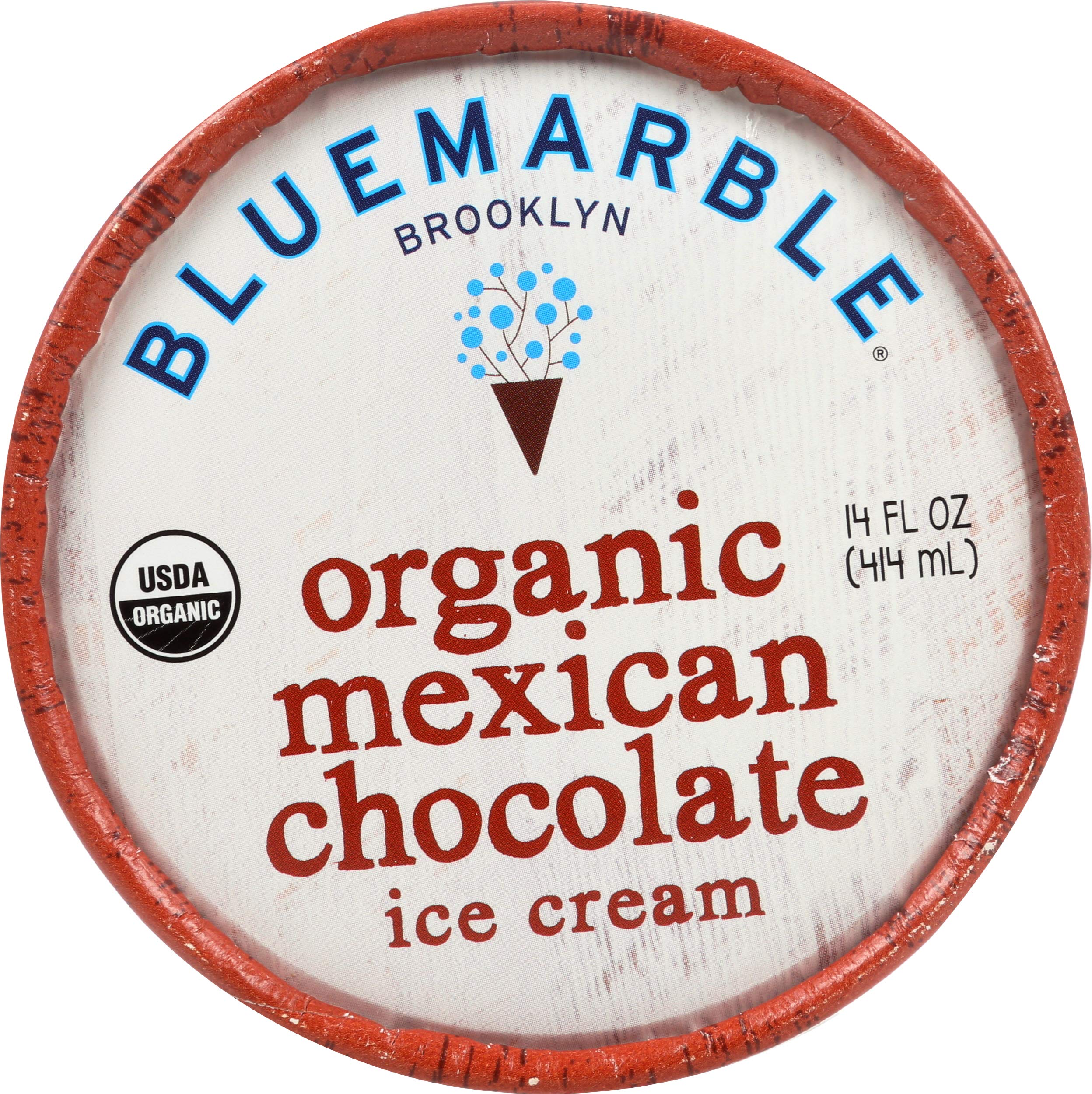



BLUEMARBLE, ICE CREAM, ORGANIC CHOCOLATE
Analysis updated September 2026 · How Scout scores
At a glance
Summary
This organic chocolate ice cream contains high-quality cream and organic ingredients, which are beneficial. However, it is ultra-processed and includes refined sugar and gums, which are less desirable. The presence of these additives and the processing level limit its healthiness despite the organic certification.
Key ingredients 7
CreamGood
Cream is a high-quality source of fat, providing a rich texture and flavor. It is often derived from organic milk, which may contain higher levels of beneficial omega-3 fatty acids. Organic certification indicates fewer pesticides and synthetic additives.
Risks
High in saturated fat, which can contribute to heart disease if consumed in excess.
Benefits
Provides essential fatty acids and fat-soluble vitamins like vitamin A and D. Enhances the creamy texture and flavor of ice cream.
Skim MilkNeutral
Skim milk is a low-fat dairy product that provides protein and calcium. It lacks the fat content of whole milk, which may reduce its satiating properties. Organic skim milk may have fewer contaminants and higher nutrient quality.
Benefits
Good source of calcium and protein, supporting bone health and muscle maintenance.
Alkalized CocoaNeutral
Alkalized cocoa is processed to reduce acidity and enhance flavor. This process can reduce the antioxidant content compared to natural cocoa. It provides a rich chocolate flavor and color to products.
Risks
May contain lower levels of beneficial antioxidants compared to non-alkalized cocoa.
Benefits
Adds chocolate flavor and color, enhancing the sensory appeal of the product.
Guar GumNeutral
Standard formulation ingredient — neither beneficial nor harmful at typical use.
Risks
May cause digestive discomfort such as bloating and gas in some people.
Benefits
Improves texture and consistency of ice cream, preventing ice crystal formation.
Locust Bean GumNeutral
Locust bean gum is a natural thickener derived from carob seeds. It is used to stabilize and thicken food products. Generally considered safe, but excessive use may cause digestive issues.
Risks
Excessive consumption may lead to digestive discomfort in sensitive individuals.
Benefits
Helps improve texture and stability of food products, enhancing mouthfeel.
SaltNeutral
Salt is used to enhance flavor and preserve food. It is a common ingredient in processed foods and can contribute to high sodium intake. Organic salt may have fewer additives but still requires moderation.
Risks
Excessive sodium intake can lead to hypertension and cardiovascular issues.
Benefits
Enhances flavor and acts as a preservative, extending shelf life.
SugarBad
Refined sugar is a high-calorie sweetener with no essential nutrients. It can contribute to weight gain and increase the risk of chronic diseases like type 2 diabetes. Organic sugar may have fewer chemical residues but still poses similar health risks.
Risks
Excessive consumption can lead to obesity, insulin resistance, and dental cavities.
Benefits
Provides quick energy and enhances the sweetness and palatability of foods.
Processing
Ultra-Processed Foods
Get the full breakdown in the Scout appTake Scout shopping
Scan any product to see lab results, healthy alternatives, and your personalized analysis.
Download on theApp Store GET IT ONGoogle Play