
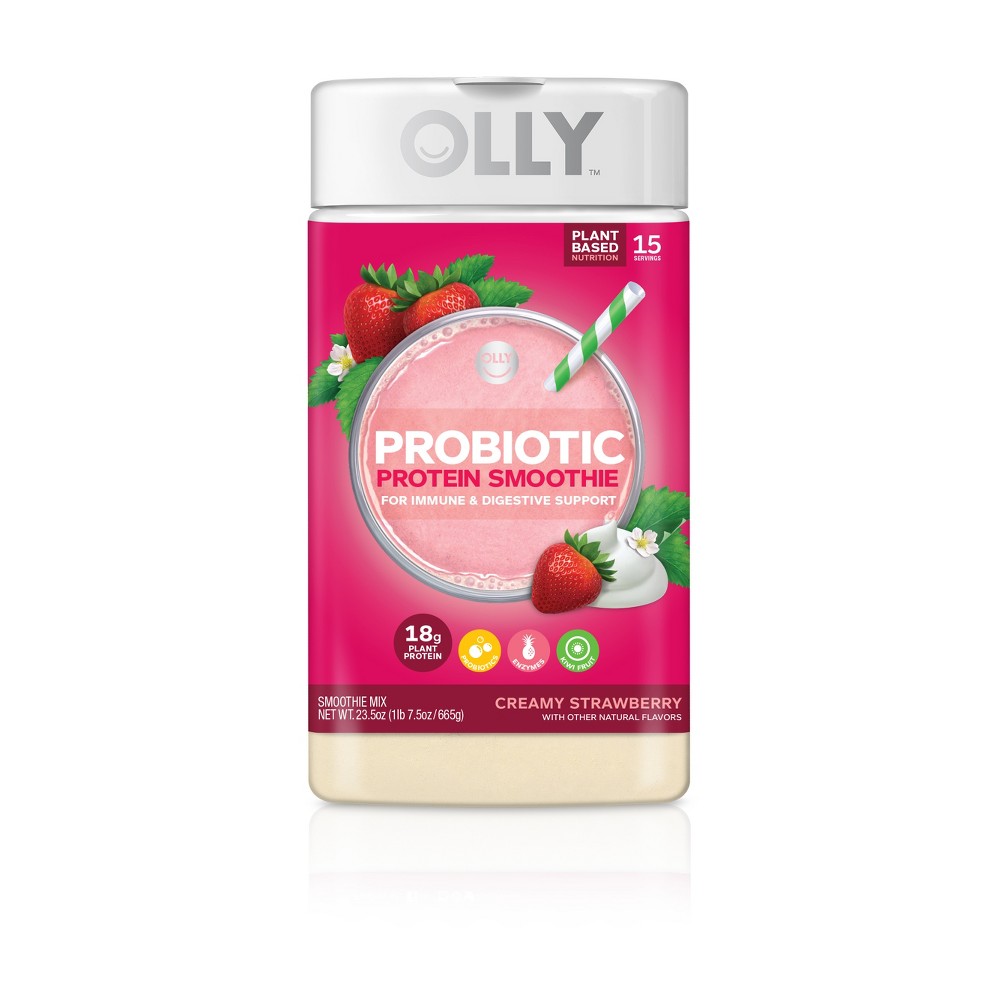
PROBIOTIC SMOOTHIE DIGESTION PROTEIN BLEND SMOOTHIE MIX
At a glance
Summary
This probiotic smoothie mix features a blend of beneficial ingredients such as pea protein, golden chlorella, and flax seed, which provide essential nutrients and support digestive health. The inclusion of prebiotic fiber and the probiotic strain Bacillus coagulans further enhances its gut health benefits. However, the presence of cane sugar and natural flavors introduces some concerns regarding added sugars and lack of transparency in flavoring components. Its plastic packaging can shed microplastics into the product and lowers its score.
Key ingredients 27
Bacillus CoagulansVery Good
Bacillus coagulans is a probiotic strain that supports gut health and enhances immune function. It is known for its stability and ability to survive stomach acid, making it effective in promoting a healthy gut microbiome. Its probiotic benefits are well-documented in scientific studies.
Benefits
Promotes gut health and supports immune function, contributing to overall well-being.
Golden ChlorellaGood
Golden chlorella is a nutrient-rich microalgae that provides protein, vitamins, and minerals. It is known for its antioxidant properties and potential to support immune health. Its nutrient density makes it a valuable addition to supplements.
Benefits
Rich in nutrients and antioxidants, supporting overall health and wellness.
Flax SeedGood
Flax seed is a source of omega-3 fatty acids, fiber, and lignans, which have various health benefits. It supports heart health and digestive health due to its high fiber content. The presence of lignans also provides antioxidant benefits.
Risks
Excessive consumption may lead to digestive discomfort due to high fiber content.
Benefits
Supports heart health and provides anti-inflammatory benefits due to omega-3 fatty acids.
Prebiotic FiberGood
Prebiotic fiber from cassava root supports gut health by promoting the growth of beneficial bacteria. It aids in digestion and enhances nutrient absorption. Its role in gut health makes it a valuable component of digestive supplements.
Risks
Excessive intake may cause digestive discomfort such as bloating or gas.
Benefits
Promotes a healthy gut microbiome and improves digestive health.
BromelainGood
Bromelain is an enzyme derived from pineapple that aids in protein digestion and has anti-inflammatory properties. It is beneficial for digestive health and may reduce inflammation. Its enzymatic activity supports nutrient absorption.
Risks
May cause allergic reactions in sensitive individuals.
Benefits
Supports digestion and reduces inflammation, enhancing overall health.
KiwiGood
Kiwi is a nutrient-dense fruit rich in vitamin C, fiber, and antioxidants. It supports immune function and digestive health. Its high vitamin C content makes it beneficial for skin health and immune support.
Risks
May cause allergic reactions in some individuals.
Benefits
Rich in vitamins and antioxidants, supporting immune and digestive health.
Beet Root PowderGood
Beet root powder is used for natural coloring and provides nitrates that support cardiovascular health. It enhances blood flow and may improve exercise performance. Its natural origin makes it a preferable alternative to artificial colors.
Benefits
Supports cardiovascular health and provides natural color.
Apple FiberGood
Apple fiber is a source of dietary fiber that supports digestive health and regularity. It aids in maintaining healthy cholesterol levels and promotes satiety. Its natural origin and fiber content make it beneficial for gut health.
Benefits
Supports digestive health and helps maintain healthy cholesterol levels.
SpinachGood
Spinach is a leafy green vegetable rich in vitamins, minerals, and antioxidants. It supports eye health, reduces oxidative stress, and provides essential nutrients. Its nutrient density makes it a valuable addition to any diet.
Benefits
Rich in nutrients and antioxidants, supporting overall health.
CherryGood
Cherry is a fruit high in antioxidants and anti-inflammatory compounds. It supports joint health and may improve sleep quality. Its natural sweetness and nutrient content make it beneficial for health.
Benefits
Supports joint health and provides antioxidants.
CarrotGood
Carrot is a root vegetable rich in beta-carotene, fiber, and antioxidants. It supports eye health and boosts the immune system. Its high beta-carotene content is converted to vitamin A in the body.
Benefits
Supports eye health and provides essential nutrients.
BroccoliGood
Broccoli is a cruciferous vegetable rich in vitamins, minerals, and antioxidants. It supports detoxification and may reduce the risk of certain cancers. Its nutrient density makes it a valuable addition to a healthy diet.
Benefits
Supports detoxification and provides essential nutrients.
TomatoGood
Tomato is a fruit rich in lycopene, vitamins, and antioxidants. It supports heart health and may reduce the risk of certain cancers. Its high lycopene content is beneficial for cardiovascular health.
Benefits
Supports heart health and provides antioxidants.
CranberryGood
Cranberry is a fruit known for its high antioxidant content and ability to support urinary tract health. It may prevent urinary tract infections and provides vitamin C. Its health benefits are well-documented in scientific studies.
Benefits
Supports urinary tract health and provides antioxidants.
OrangeGood
Orange is a citrus fruit rich in vitamin C, fiber, and antioxidants. It supports immune health and provides hydration. Its high vitamin C content is beneficial for skin health and immune support.
Benefits
Supports immune health and provides essential nutrients.
BlueberryGood
Blueberry is a fruit high in antioxidants and vitamins. It supports brain health and may reduce the risk of chronic diseases. Its high antioxidant content is beneficial for reducing oxidative stress.
Benefits
Supports brain health and provides antioxidants.
StrawberryGood
Strawberry is a fruit rich in vitamin C, fiber, and antioxidants. It supports heart health and may improve skin health. Its natural sweetness and nutrient content make it beneficial for health.
Benefits
Supports heart health and provides essential nutrients.
MushroomGood
Mushroom is a source of vitamins, minerals, and antioxidants. It supports immune health and may have anti-cancer properties. Its nutrient density makes it a valuable addition to a healthy diet.
Benefits
Supports immune health and provides essential nutrients.
Pea ProteinNeutral
Pea protein is a plant-based protein source that provides a good amino acid profile. It is less allergenic compared to soy and dairy proteins. However, it may not be as complete as animal-based proteins.
Benefits
Provides a plant-based protein option that is suitable for vegans and those with dairy allergies.
Coconut Juice PowderNeutral
Coconut juice powder is derived from coconut water and provides electrolytes. It is used for flavor and hydration purposes. While it offers some minerals, it is not a significant source of nutrients.
Benefits
Offers hydration benefits due to its electrolyte content.
SteviaNeutral
Stevia is a natural, zero-calorie sweetener derived from the stevia plant. It is used as a sugar substitute without significant health concerns. It does not affect blood sugar levels, making it suitable for diabetics.
Benefits
Provides sweetness without calories, suitable for reducing sugar intake.
SaltNeutral
Salt is used for flavor enhancement and as a preservative. While necessary in small amounts, excessive intake can lead to health issues such as hypertension. It is a common ingredient in many foods.
Risks
High intake can lead to increased blood pressure and cardiovascular issues.
Benefits
Enhances flavor and acts as a preservative.
Citric AcidNeutral
Citric acid is a natural acidulant used to enhance flavor and preserve freshness. It is commonly found in citrus fruits and is generally recognized as safe. Its role in food preservation is well-established.
Benefits
Enhances flavor and preserves freshness in food products.
Guar GumNeutral
Guar gum is a thickening agent derived from guar beans, used to improve texture and stability in foods. It is a source of soluble fiber and is generally considered safe. Its use in small amounts is typical in processed foods.
Risks
Excessive consumption may cause digestive discomfort.
Benefits
Improves texture and provides soluble fiber.
Xanthan GumNeutral
Xanthan gum is a thickening agent used to improve texture and stability in foods. It is generally recognized as safe and used in small amounts. Its role in food processing is well-established.
Risks
Excessive consumption may cause digestive discomfort.
Benefits
Improves texture and stability in food products.
Cane SugarBad
Cane sugar is a simple carbohydrate that can contribute to increased blood sugar levels. Excessive consumption is linked to various health issues such as obesity and diabetes. It is a common sweetener but should be consumed in moderation.
Risks
High intake can lead to weight gain, insulin resistance, and increased risk of chronic diseases.
Benefits
Provides quick energy but lacks significant nutritional benefits.
Natural FlavorsBad
Natural flavors are often used to enhance taste but lack transparency in their composition. They can contain a variety of compounds, some of which may not be beneficial. The lack of disclosure makes it difficult to assess their health impact.
Risks
Potential for undisclosed additives or allergens.
Benefits
Enhances flavor without adding calories.
Processing
Ultra-Processed Foods
Get the full breakdown in the Scout appTake Scout shopping
Scan any product to see lab results, healthy alternatives, and your personalized analysis.
Are you Olly PBC? Fix an error Get the badge Get tested


