
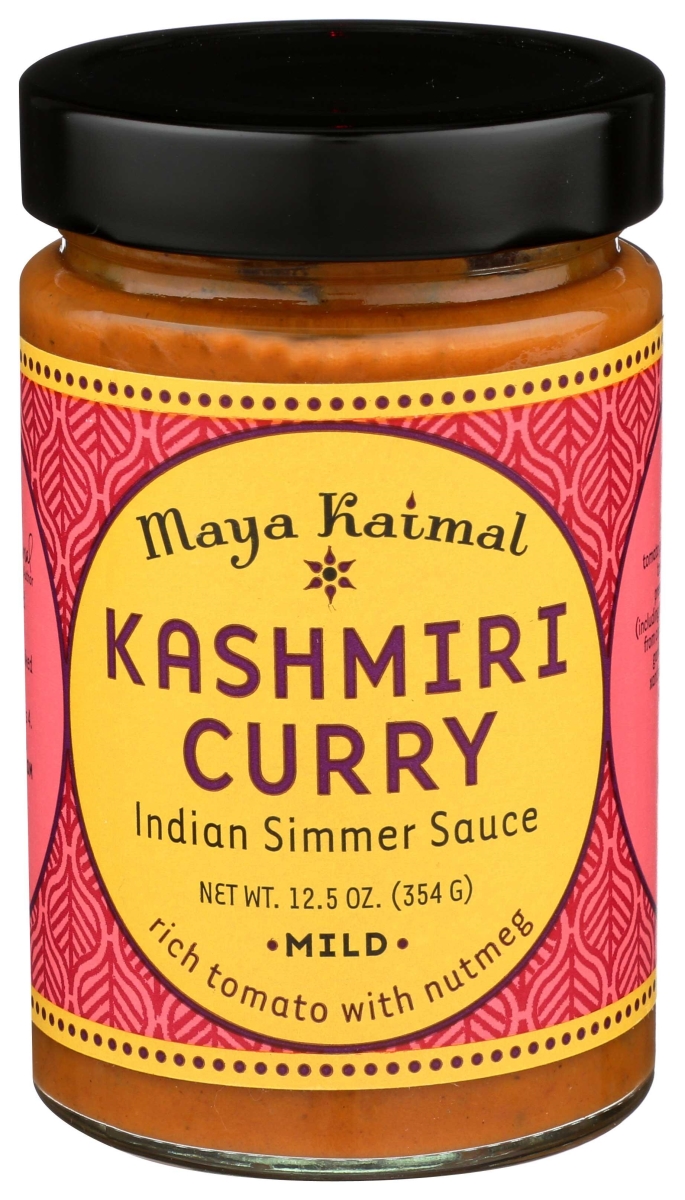


MILD KASHMIRI CURRY INDIAN SIMMER SAUCE
Analysis updated July 2026 · How Scout scores
At a glance
Summary
This curry sauce contains several beneficial ingredients such as onions, vine-ripened tomatoes, coconut cream, and spices like turmeric, which offer nutritional benefits and enhance flavor. However, the presence of safflower oil, a seed oil high in omega-6 fatty acids, is a concern due to its potential inflammatory effects and high processing level. The product is moderately processed, which limits its score despite the overall clean ingredient list.
Key ingredients 13
OnionGood
Onions are a good source of vitamins, minerals, and antioxidants. They contain quercetin, which has anti-inflammatory properties. Onions can enhance flavor and provide health benefits when included in a diet.
Risks
May cause digestive discomfort in some individuals when consumed in large quantities.
Benefits
Rich in antioxidants and may support heart health and immune function.
Vine-ripened diced tomatoes in juiceGood
Tomatoes are rich in vitamins C and K, potassium, and folate. They contain lycopene, an antioxidant linked to reduced risk of heart disease and cancer. Vine-ripened tomatoes are often more flavorful and nutrient-dense.
Benefits
High in antioxidants and may support heart health and reduce inflammation.
Coconut creamGood
Coconut cream is a source of healthy fats, particularly medium-chain triglycerides (MCTs). It can provide a creamy texture and rich flavor to dishes. MCTs are easily digestible and may support energy metabolism.
Risks
High in saturated fats, which should be consumed in moderation.
Benefits
Provides healthy fats that may support energy levels and metabolic health.
Tomato pasteGood
Tomato paste is concentrated and rich in nutrients like lycopene, a powerful antioxidant. It enhances flavor and provides a dense source of vitamins and minerals. The concentration process increases the bioavailability of nutrients.
Benefits
Rich in antioxidants and may support heart health and reduce inflammation.
SpicesGood
Spices like turmeric are known for their anti-inflammatory and antioxidant properties. They enhance flavor and can provide various health benefits. Turmeric, in particular, contains curcumin, which has been studied for its health-promoting effects.
Benefits
May support immune function and reduce inflammation.
Sea saltGood
Sea salt is a natural source of sodium and trace minerals. It is less processed than table salt and can enhance flavor. The presence of trace minerals can provide additional health benefits compared to refined salt.
Risks
Excessive sodium intake can lead to high blood pressure and cardiovascular issues.
Benefits
Provides essential minerals and can enhance the flavor of foods.
GarlicGood
Garlic is known for its potential health benefits, including antimicrobial and cardiovascular effects. It contains allicin, which has been studied for its health-promoting properties. Garlic can enhance flavor and provide health benefits.
Risks
May cause digestive discomfort in some individuals when consumed in large quantities.
Benefits
May support heart health and immune function.
GingerGood
Ginger is a spice with anti-inflammatory and antioxidant properties. It is often used to aid digestion and reduce nausea. Gingerol, the active compound in ginger, has been studied for its health benefits.
Benefits
May support digestive health and reduce inflammation.
WaterNeutral
Water is a neutral ingredient used as a base or solvent in many food products. It does not provide nutritional value but is essential for consistency and texture. It is generally safe and free from health concerns.
See more about Water →Evaporated cane sugarNeutral
Evaporated cane sugar is a less refined form of sugar, retaining some molasses content. It is still a source of added sugars and should be consumed in moderation. It provides sweetness without significant nutritional benefits.
Risks
Excessive consumption of added sugars can lead to health issues such as obesity and diabetes.
Lemon juice concentrateNeutral
Lemon juice concentrate provides acidity and flavor to foods. It is a source of vitamin C but is often used in small quantities. The concentration process may reduce some nutrient content compared to fresh lemon juice.
Benefits
Provides flavor and a small amount of vitamin C.
Organic tapioca starchNeutral
Tapioca starch is used as a thickening agent in foods. It is derived from the cassava root and is gluten-free. While it provides texture, it does not offer significant nutritional benefits.
See more about Organic tapioca starch →Safflower oilVery Bad
Safflower oil is a seed oil high in omega-6 fatty acids, which can promote inflammation if consumed in excess. It is often highly processed and lacks beneficial nutrients. The extraction process can involve chemicals and high heat, reducing quality.
Risks
High omega-6 content may promote inflammation when consumed in excess.
Processing
Processed Foods
Get the full breakdown in the Scout appTake Scout shopping
Scan any product to see lab results, healthy alternatives, and your personalized analysis.
Download on theApp Store GET IT ONGoogle Play