

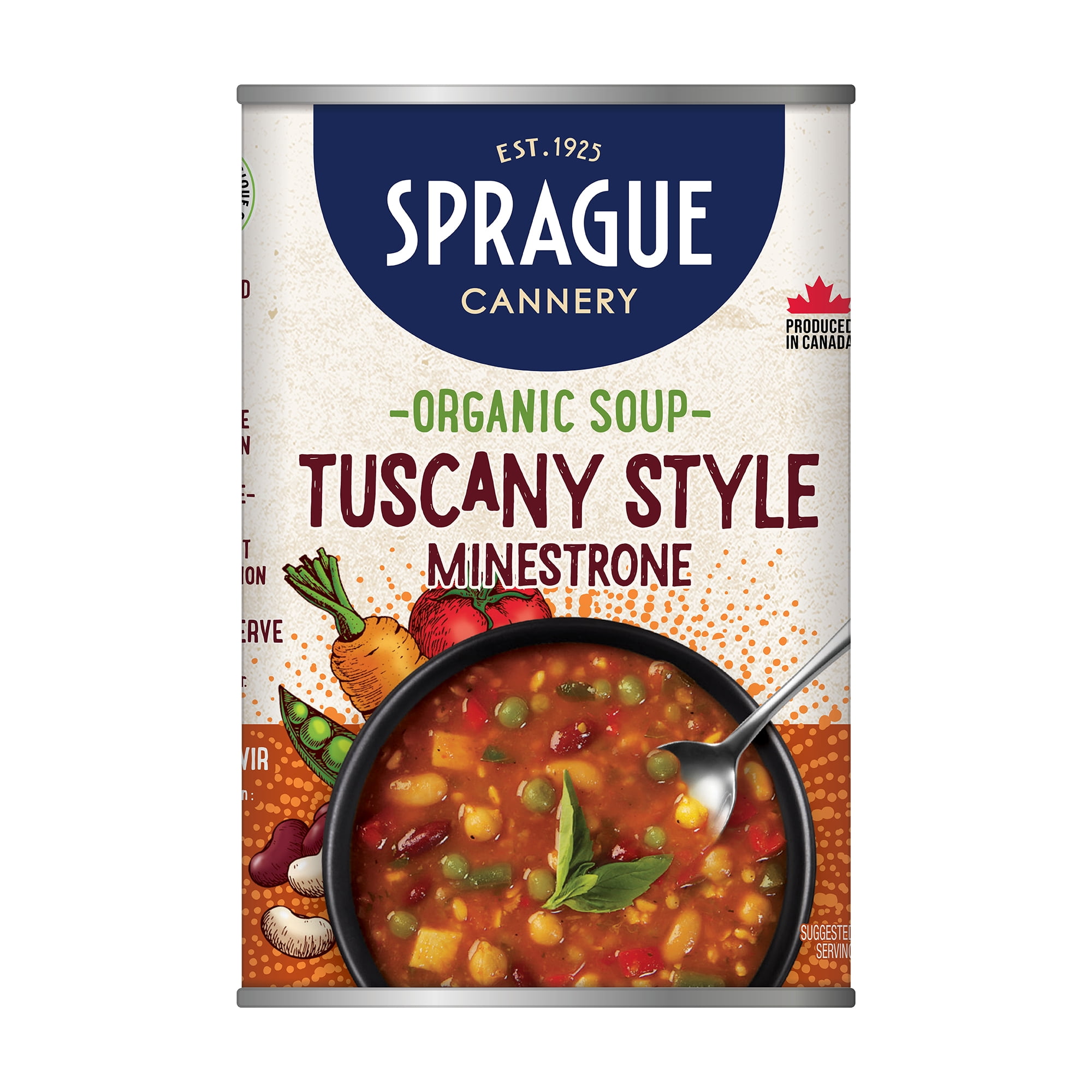
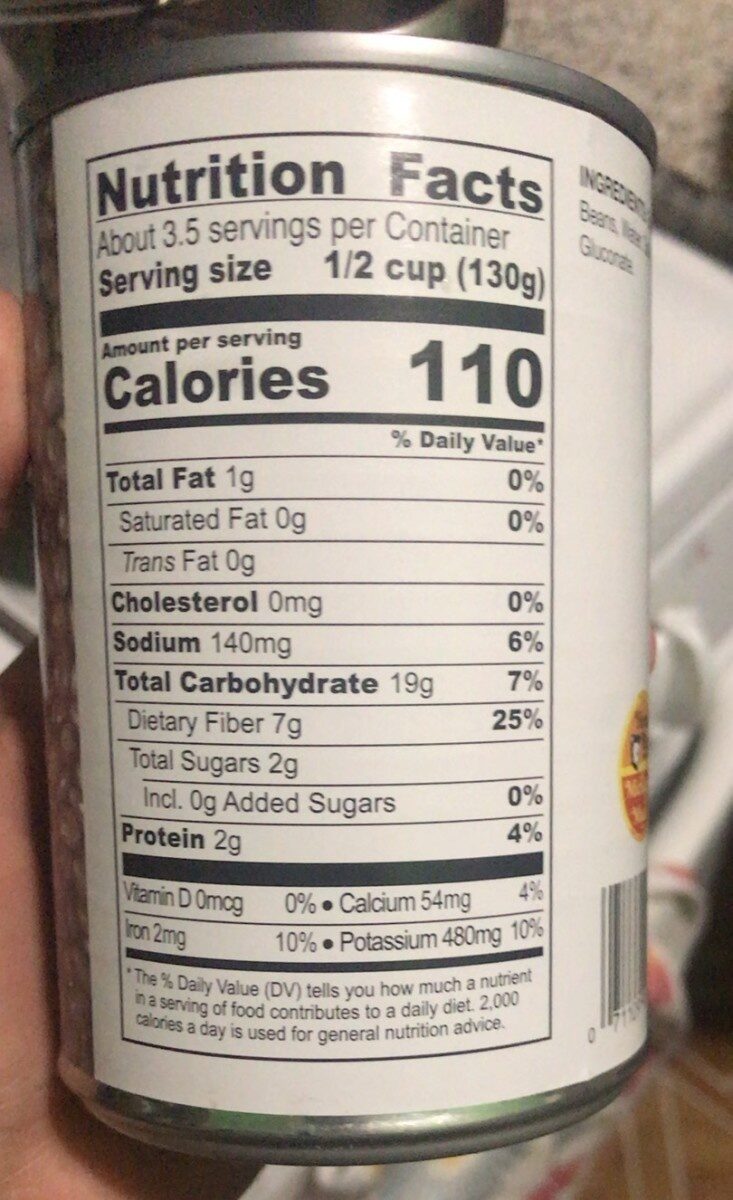


Organic minestrone soup, minestrone
Analysis updated September 2026 · How Scout scores
At a glance
Summary
This organic minestrone soup contains a variety of beneficial ingredients such as tomatoes, carrots, zucchini, peas, and kidney beans, which provide essential nutrients and antioxidants. However, the presence of agave nectar, a refined sugar alternative, and the soup's classification as ultra-processed limit its health score. Despite the clean ingredient list and minimal additives, the processing level imposes a cap on the overall rating.
Key ingredients 18
Extra virgin olive oilVery Good
High-quality monounsaturated fat with anti-inflammatory properties. Contains antioxidants that support heart health. Cold-pressed extraction preserves beneficial compounds.
Benefits
Rich in monounsaturated fats that support heart health and provide anti-inflammatory properties. Contains antioxidants like vitamin E and polyphenols that may reduce oxidative stress.
TomatoesGood
Rich in vitamins A and C, and antioxidants like lycopene. Organic tomatoes are free from synthetic pesticides. They contribute to heart health and may reduce cancer risk.
Benefits
High in antioxidants and vitamins, supporting overall health and reducing inflammation.
CarrotsGood
A good source of beta-carotene, fiber, vitamin K1, and antioxidants. Organic carrots are grown without synthetic pesticides. They support eye health and immune function.
Benefits
Rich in beta-carotene, which is converted to vitamin A in the body, supporting vision and immune health.
ZucchiniGood
Low in calories and high in vitamins A and C, as well as fiber. Organic zucchini is free from synthetic chemicals. It aids in digestion and supports a healthy immune system.
Benefits
Provides essential vitamins and fiber, promoting digestive health and supporting the immune system.
PeasGood
Rich in protein, fiber, and essential vitamins like K and C. Organic peas are grown without synthetic pesticides. They support heart health and aid in digestion.
Benefits
High in protein and fiber, supporting muscle health and digestion.
Kidney beansGood
A great source of plant-based protein, fiber, and essential nutrients like iron and folate. Organic kidney beans are free from synthetic chemicals. They help in maintaining healthy blood sugar levels.
Benefits
Rich in protein and fiber, supporting heart health and blood sugar regulation.
OnionsGood
Contain antioxidants and compounds that fight inflammation and reduce cholesterol levels. Organic onions are free from synthetic pesticides. They support heart health and have antibacterial properties.
Benefits
Provide antioxidants and compounds that support heart health and have anti-inflammatory effects.
PotatoesGood
Beneficial ingredient — whole-food or functional value in this product class.
Risks
High glycemic index may affect blood sugar levels if consumed in excess.
Benefits
Provide energy and essential nutrients, supporting overall health.
Tomato pasteGood
Concentrated source of lycopene, an antioxidant that supports heart health. Organic tomato paste is free from synthetic additives. It enhances flavor and provides nutritional benefits.
Benefits
Rich in lycopene, supporting heart health and reducing inflammation.
GarlicGood
Contains compounds with potent medicinal properties, including allicin. Organic garlic is free from synthetic pesticides. It supports immune function and cardiovascular health.
Benefits
Supports immune health and has cardiovascular benefits due to its antioxidant properties.
BasilGood
Contains essential oils and antioxidants that support health. Organic basil is free from synthetic pesticides. It adds flavor and has anti-inflammatory properties.
Benefits
Provides antioxidants and essential oils that support health and add flavor.
Sea saltGood
Unrefined mineral salt that provides essential trace minerals. It is less processed than regular table salt. Supports electrolyte balance and adds flavor.
Risks
Excessive consumption can lead to high blood pressure.
Benefits
Provides essential minerals and supports electrolyte balance.
Cayenne pepperGood
Contains capsaicin, which has metabolism-boosting properties. Organic cayenne pepper is free from synthetic pesticides. It adds flavor and may aid in weight management.
Risks
May cause digestive discomfort in sensitive individuals.
Benefits
Boosts metabolism and adds a spicy flavor to dishes.
Vegetable brothNeutral
A base for soups, providing flavor and some nutrients from vegetables. The organic nature of the ingredients is a positive aspect. However, it may contain added salt and other components that do not significantly enhance nutritional value.
Risks
Potential for high sodium content due to added salt.
Benefits
Provides a flavorful base with some vitamins and minerals from the vegetables used.
PastaNeutral
Made from rice flour and quinoa flour, providing gluten-free carbohydrates. Organic ingredients ensure no synthetic pesticides are used. It serves as a source of energy but lacks significant nutritional benefits.
Risks
May contribute to high carbohydrate intake if consumed in large quantities.
Benefits
Provides a gluten-free source of carbohydrates for energy.
Citric acidNeutral
Used as a preservative and to add acidity. It is naturally found in citrus fruits. Generally recognized as safe but offers no significant nutritional benefits.
Risks
Excessive consumption may cause tooth enamel erosion.
Benefits
Helps preserve food and enhance flavor.
Guar gumNeutral
Used as a thickening agent in foods. Derived from guar beans, it is a natural additive. It has no significant nutritional benefits but aids in texture improvement.
Risks
May cause digestive issues in sensitive individuals if consumed in large amounts.
Benefits
Improves texture and consistency of food products.
Agave nectarBad
A sweetener with a high fructose content, which can impact blood sugar levels. Although organic, it is still a refined sugar alternative. It should be consumed in moderation due to potential metabolic effects.
Risks
High fructose content may lead to insulin resistance and metabolic issues if consumed in excess.
Benefits
Provides a sweet flavor with a lower glycemic index than regular sugar.
Processing
Ultra-Processed Foods
Get the full breakdown in the Scout appTake Scout shopping
Scan any product to see lab results, healthy alternatives, and your personalized analysis.
Download on theApp Store GET IT ONGoogle Play