



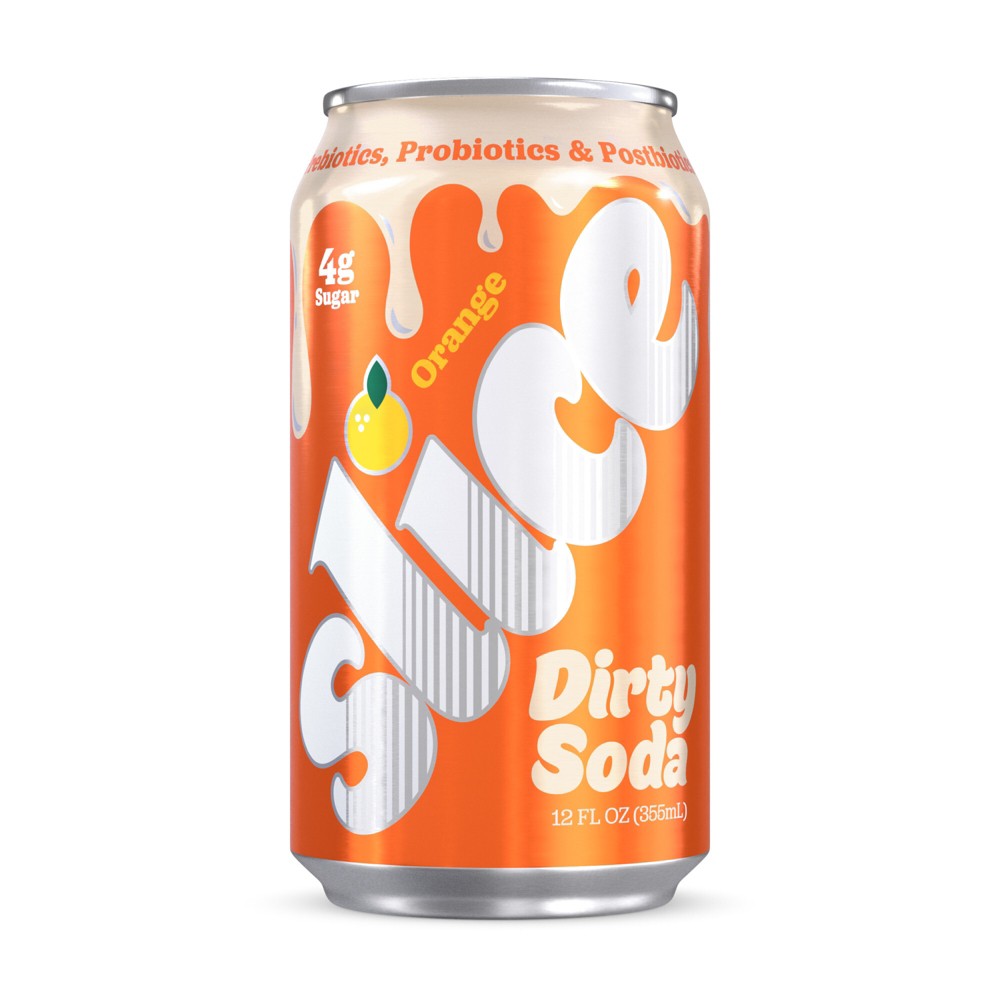
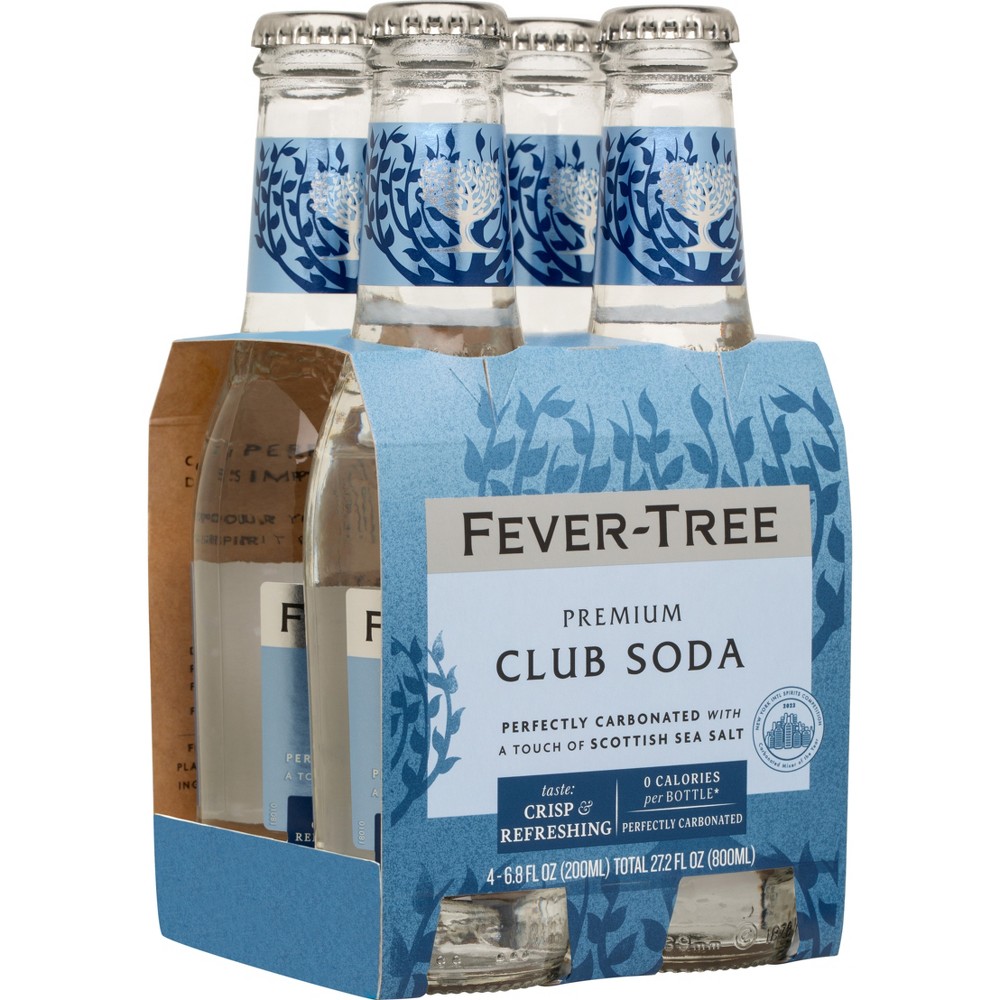





Sparkling Orange Flavored Espresso Tonic Beverage
Trader Joe'sAnalysis updated August 2026 · How Scout scores
Near you
Trader Joe's is carried at Trader Joe stores. Find one within 25 miles.
At a glance
Summary
This beverage contains beneficial ingredients like espresso coffee and orange juice, which provide antioxidants and natural sugars. However, the presence of cane sugar and natural flavors introduces concerns about added sugars and lack of transparency in flavoring agents. The product is moderately processed, which limits its score despite the absence of major harmful additives.
Key ingredients 7
Espresso CoffeeGood
Espresso coffee is rich in antioxidants and can improve mental alertness and concentration. It contains caffeine, which can enhance physical performance and metabolism. The natural compounds in coffee may also provide protective effects against certain diseases.
Risks
Excessive consumption of caffeine can lead to insomnia, jitteriness, and increased heart rate.
Benefits
Contains antioxidants and can improve mental alertness and concentration.
Orange JuiceGood
Orange juice is a natural source of vitamin C and other antioxidants, which support immune function and skin health. It provides natural sugars and nutrients without the need for added sweeteners. Freshly squeezed or minimally processed orange juice retains more nutrients compared to highly processed versions.
Risks
High in natural sugars, which can contribute to calorie intake if consumed in excess.
Benefits
Rich in vitamin C and antioxidants, supporting immune function and skin health.
Carbonated WaterNeutral
Carbonated water is simply water infused with carbon dioxide gas under pressure. It is a common base for many beverages and does not provide significant nutritional value. It is generally considered safe and neutral in terms of health impact.
See more about Carbonated Water →Citric AcidNeutral
Citric acid is a natural preservative and flavor enhancer commonly used in beverages. It is generally recognized as safe and helps maintain the product's freshness. While it is naturally found in citrus fruits, the industrial version is often synthesized, which may lack the natural benefits of citrus-derived citric acid.
Risks
Excessive consumption may lead to dental erosion due to its acidic nature.
Benefits
Helps preserve freshness and enhance flavor in beverages.
QuinineNeutral
Quinine is a compound used to add a bitter flavor to tonic beverages. It has been used historically to treat malaria, but in beverages, it is present in small, safe amounts. The concentration in tonic water is regulated to ensure safety for consumption.
Risks
In large doses, quinine can cause side effects such as nausea and tinnitus, but these are unlikely at the levels found in beverages.
Benefits
Provides a distinctive bitter flavor and has historical medicinal uses.
Cane SugarBad
Cane sugar is a refined sweetener that can contribute to excessive calorie intake and weight gain. It provides no essential nutrients and can lead to health issues like obesity and diabetes when consumed in large amounts. The refining process removes any potential beneficial compounds found in raw sugarcane.
Risks
Excessive consumption can lead to obesity, diabetes, and other metabolic disorders.
Natural FlavorsBad
Natural flavors are additives used to enhance taste, but their exact composition is often undisclosed. They can contain a variety of chemical compounds, some of which may not be beneficial to health. The lack of transparency in their composition raises concerns about potential allergens and artificial processing.
Risks
Potential allergens and undisclosed chemical compounds may pose health risks.
Processing
Processed Foods
Get the full breakdown in the Scout appTake Scout shopping
Scan any product to see lab results, healthy alternatives, and your personalized analysis.
Download on theApp Store GET IT ONGoogle Play