Daiya CHEDDAR STYLE SHREDS
Swap it for
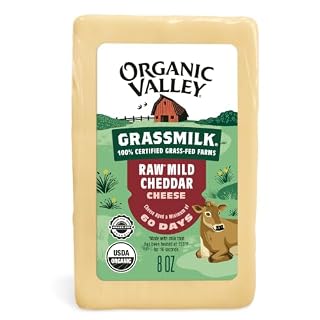
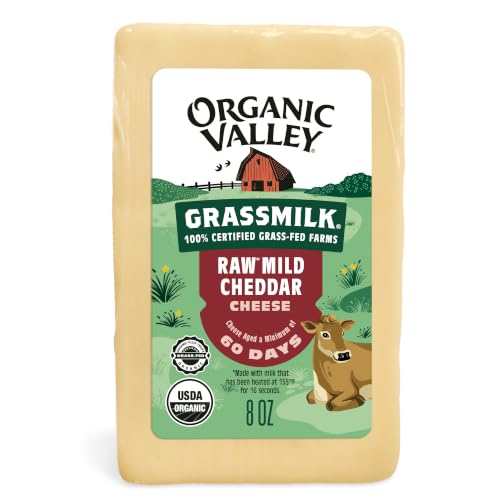 Organic Valley Grassmilk Raw Cheddar Organic Valley · 8 oz View on Amazon · $9.99 See all Cheese, ranked
At a glance
Summary
This product is ultra-processed, containing multiple additives and ingredients like safflower oil, which is high in omega-6 fatty acids and can promote inflammation. The presence of xanthan gum and natural flavors further indicates a high level of processing. While it includes coconut oil, a healthier fat, the overall ingredient quality and processing level significantly impact its health rating.
Key ingredients 19
Expeller pressed safflower oilVery Bad
Safflower oil is a seed oil high in omega-6 fatty acids, which may promote inflammation. Expeller pressing is a mechanical extraction method that is less harmful than chemical extraction but still results in a refined oil. It is considered unhealthy due to its fatty acid profile.
Risks
High omega-6 content may promote inflammation when consumed in excess.
Yeast extractBad
Concentrated glutamate source — MSG-adjacent flavor enhancer.
Risks
May contain naturally occurring glutamates, which some individuals are sensitive to.
Benefits
Enhances flavor and provides a source of B vitamins.
DextroseBad
Dextrose is a simple sugar used as a sweetener and carbohydrate source. It is rapidly absorbed and can cause spikes in blood sugar levels. It is often used in processed foods for sweetness and energy.
Risks
May contribute to blood sugar spikes and insulin resistance when consumed in excess.
Benefits
Provides a quick source of energy but lacks nutritional benefits.
Natural flavorsBad
Natural flavors are a catch-all term for flavoring agents derived from natural sources. They are highly processed and lack transparency in their composition. They are used to enhance flavor but do not provide nutritional benefits.
Risks
Lack of transparency may pose risks for individuals with allergies or sensitivities.
Benefits
Enhances flavor but lacks nutritional value.
WaterNeutral
Water is a neutral ingredient used as a solvent and carrier in food products. It does not contribute any nutritional value but is essential for texture and consistency. It is a common and safe ingredient in many processed foods.
See more about Water →Pea proteinNeutral
Pea protein is a plant-based protein source that offers a good amino acid profile. It is less processed than some other plant proteins but may have lower bioavailability compared to animal proteins. It is used to enhance the protein content of plant-based products.
Risks
May cause digestive discomfort in some individuals due to its fiber content.
Benefits
Provides a plant-based protein source that is suitable for vegetarians and vegans.
EnzymesNeutral
Enzymes are used to catalyze reactions in food processing, such as breaking down proteins or fats. They are naturally occurring and essential in many food production processes. They help achieve desired textures and flavors.
Benefits
Facilitate the breakdown of food components, aiding in digestion and processing.
Tapioca starchNeutral
Tapioca starch is a refined carbohydrate used as a thickener and stabilizer. It is derived from the cassava root and is gluten-free. It provides texture and consistency to the product.
Risks
High consumption of refined carbohydrates may contribute to blood sugar spikes.
Benefits
Provides a gluten-free thickening agent suitable for those with gluten sensitivities.
Corn starchNeutral
Corn starch is a refined carbohydrate used as a thickener and stabilizer. It is widely used in food processing for its ability to improve texture. It is a common ingredient in many processed foods.
Risks
High consumption of refined carbohydrates may contribute to blood sugar spikes.
Benefits
Provides a thickening agent that enhances texture and consistency.
Calcium phosphateNeutral
Calcium phosphate is used as a mineral supplement and acidity regulator. It provides calcium, which is essential for bone health. It is commonly used in fortified foods.
Risks
Excessive intake may lead to imbalances in mineral absorption.
Benefits
Provides a source of calcium, supporting bone health and mineral balance.
Konjac flourNeutral
Konjac flour is a soluble fiber used as a thickener and stabilizer. It is derived from the konjac plant and is known for its high fiber content. It contributes to the texture and satiety of the product.
Risks
May cause digestive discomfort or bloating in sensitive individuals.
Benefits
High in soluble fiber, which may aid in digestion and promote satiety.
Fruit and vegetable juiceNeutral
Fruit and vegetable juice is used for natural coloring in food products. It is a minimally processed alternative to artificial dyes. It provides color without significant nutritional impact.
Benefits
Provides natural coloring without the use of artificial dyes.
AnnattoNeutral
Annatto is a natural colorant derived from the seeds of the achiote tree. It is used to impart a yellow to orange color in foods. It is a natural alternative to synthetic dyes.
Benefits
Provides natural coloring without the use of synthetic dyes.
SaltNeutral
Salt is used as a seasoning and preservative in food products. It is essential for flavor enhancement and preservation. It is a common ingredient in processed foods.
Risks
Excessive sodium intake may contribute to hypertension and cardiovascular issues.
Benefits
Enhances flavor and acts as a preservative.
Xanthan gumNeutral
Xanthan gum is a polysaccharide used as a thickener and stabilizer. It is produced through fermentation and is widely used in food processing. It improves texture and consistency in various products.
Risks
May cause digestive discomfort in some individuals when consumed in large amounts.
Benefits
Improves texture and stability in food products.
Lactic acidNeutral
Lactic acid is used as a preservative and acidity regulator. It is naturally occurring and produced through fermentation. It helps maintain the pH and shelf life of the product.
Benefits
Helps preserve food and maintain its acidity.
Gluten-free oat flourGood
Gluten-free oat flour is a whole grain ingredient that provides dietary fiber and nutrients. It is minimally processed and suitable for those with gluten sensitivities. It contributes to the texture and nutritional profile of the product.
Risks
Potential cross-contamination with gluten-containing grains if not certified gluten-free.
Benefits
Rich in dietary fiber, which supports digestive health and provides a source of essential nutrients.
CulturesGood
Beneficial ingredient — whole-food or functional value in this product class.
Benefits
May contribute to gut health by promoting beneficial bacteria.
Coconut oilGood
Coconut oil is a source of medium-chain triglycerides (MCTs) that may support metabolism. It is less processed than many seed oils and provides a stable fat source. It contributes to the creamy texture of the product.
Risks
High in saturated fats, which may impact heart health if consumed in excess.
Benefits
Contains MCTs that may support energy metabolism and provide a stable cooking fat.
Processing
Ultra-Processed Foods
Get the full breakdown in the Scout appTake Scout shopping
Scan any product to see lab results, healthy alternatives, and your personalized analysis.
Are you Daiya? Fix an error Get the badge Get tested
Amazon pricing & content
Amazon price for Organic Valley Grassmilk Raw Cheddar as of . Product prices and availability are accurate as of the date/time indicated and are subject to change. Any price and availability information displayed on Amazon.com at the time of purchase will apply to the purchase of this product.
CERTAIN CONTENT THAT APPEARS ON THIS SITE COMES FROM AMAZON. THIS CONTENT IS PROVIDED “AS IS” AND IS SUBJECT TO CHANGE OR REMOVAL AT ANY TIME.