
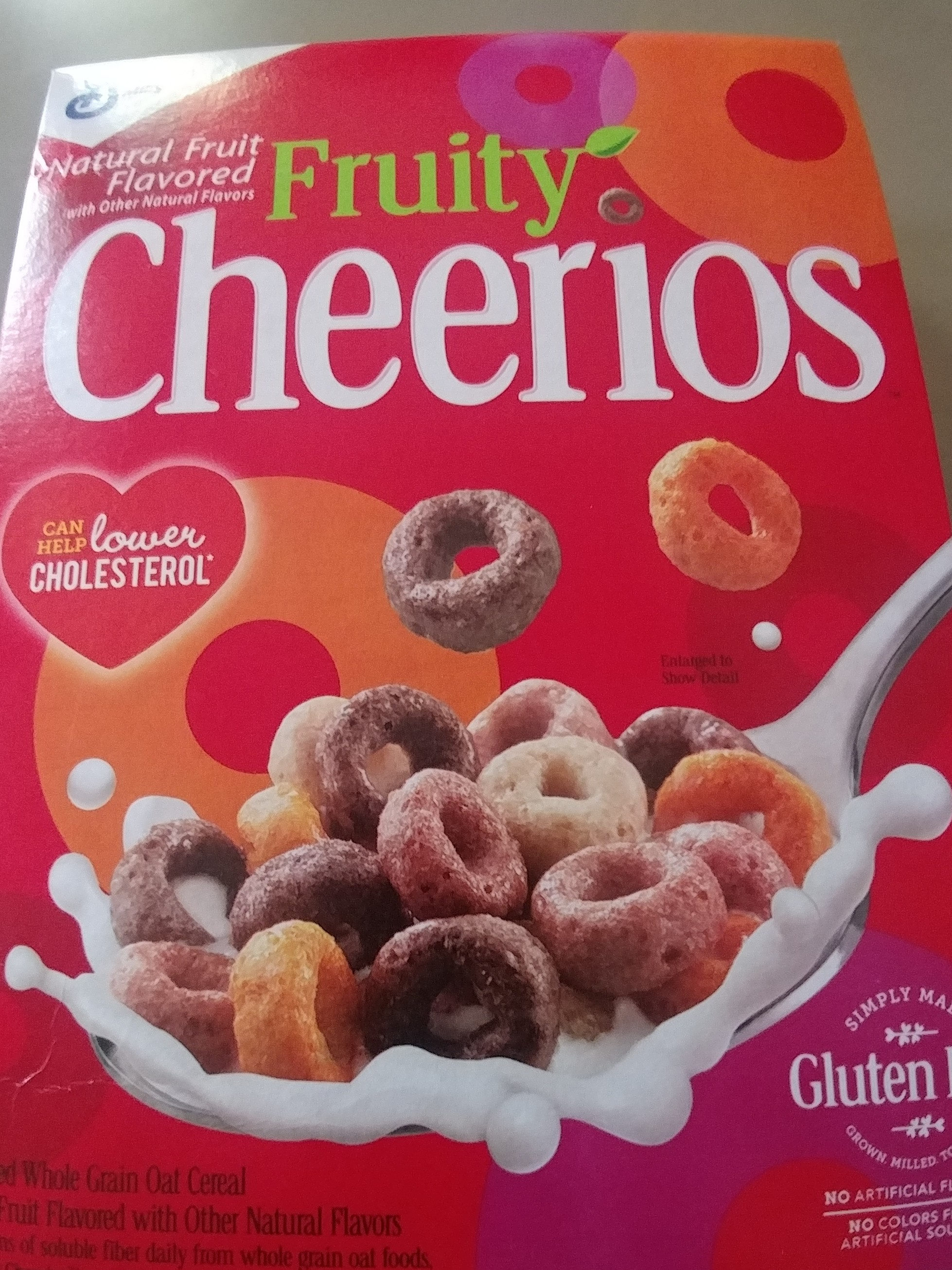



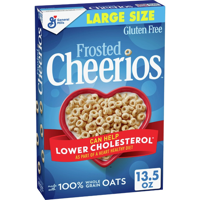
GMILLS FRTY CHEERIOS SWEETENED WHL GRN OAT CEREAL
Analysis updated May 2026 · How Scout scores
At a glance
Summary
This cereal contains beneficial ingredients like whole grain oats and oat bran, which provide fiber and essential nutrients. However, it is heavily processed and includes refined sugar and corn syrup, which are linked to health issues such as obesity and metabolic disorders. The presence of multiple additives and synthetic ingredients further contributes to its high processing level, limiting its overall healthiness despite some nutritional benefits.
Key ingredients 16
Whole Grain OatsVery Good
Whole grain oats are a rich source of dietary fiber and essential nutrients. They are minimally processed, retaining their natural bran and germ. This contributes to heart health and aids in digestion.
Benefits
Rich in beta-glucan, which can help lower cholesterol levels and improve heart health. Provides a good source of energy and supports digestive health.
Oat BranGood
Oat bran is high in soluble fiber, which can aid in lowering cholesterol levels. It is a byproduct of oat processing but retains significant nutritional benefits. Supports heart health and digestive function.
Benefits
Contains beta-glucan, which is beneficial for heart health and can help regulate blood sugar levels.
Pear Puree ConcentrateGood
Pear puree concentrate is a natural sweetener that retains some vitamins and minerals. It is less processed than refined sugars. Provides a source of natural sugars and some fiber.
Benefits
Contains natural sugars and some vitamins, offering a healthier alternative to refined sugars.
Vitamin E (Mixed Tocopherols)Good
Vitamin E is an antioxidant that helps protect cells from oxidative damage. Mixed tocopherols are derived from natural sources and help preserve freshness. Supports immune function and skin health.
Benefits
Provides antioxidant properties that protect cells and support overall health.
Ascorbic AcidGood
Ascorbic acid, also known as vitamin C, is an essential nutrient that supports immune function and collagen synthesis. It is added to preserve freshness and enhance nutritional value. Helps improve iron absorption from plant-based foods.
Benefits
Boosts immune health and acts as an antioxidant, protecting cells from damage.
Corn StarchNeutral
Corn starch is used as a thickening agent and has minimal nutritional value. It is a refined carbohydrate that is highly processed. Provides texture and stability to food products.
Risks
Excessive consumption can contribute to blood sugar spikes due to its high glycemic index.
SaltNeutral
Salt is essential for maintaining fluid balance and nerve function. It is a common seasoning and preservative. Excessive intake can lead to hypertension and cardiovascular issues.
Risks
High consumption can increase the risk of high blood pressure and cardiovascular diseases.
Benefits
Provides essential sodium necessary for various bodily functions.
Vegetable JuiceNeutral
Part of Color. Natural colorants derived from vegetable and fruit juices, and annatto extract are used to enhance visual appeal. They are less processed than artificial dyes. Generally considered safe with minimal health concerns.
Benefits
Provides color without the use of synthetic dyes, which can be beneficial for those avoiding artificial additives.
Fruit JuiceNeutral
Part of Color. Natural colorants derived from vegetable and fruit juices, and annatto extract are used to enhance visual appeal. They are less processed than artificial dyes. Generally considered safe with minimal health concerns.
Benefits
Provides color without the use of synthetic dyes, which can be beneficial for those avoiding artificial additives.
Annatto ExtractNeutral
Part of Color. Natural colorants derived from vegetable and fruit juices, and annatto extract are used to enhance visual appeal. They are less processed than artificial dyes. Generally considered safe with minimal health concerns.
Benefits
Provides color without the use of synthetic dyes, which can be beneficial for those avoiding artificial additives.
Sodium CitrateNeutral
Sodium citrate is used as a preservative and acidity regulator in foods. It is a salt of citric acid and generally recognized as safe. Helps maintain product stability and shelf life.
Benefits
Helps maintain acidity and stability in food products, ensuring quality and safety.
Citric AcidNeutral
Citric acid is a natural preservative and flavor enhancer found in citrus fruits. It is widely used in food processing for its acidic properties. Generally recognized as safe with minimal health concerns.
Benefits
Acts as a natural preservative and enhances flavor, contributing to the product's shelf life.
SugarBad
Refined sugar is associated with increased risk of obesity and metabolic disorders. It is highly processed and lacks nutritional value. Excessive consumption can lead to health issues such as diabetes.
Risks
High intake can contribute to weight gain, insulin resistance, and dental cavities.
Corn SyrupBad
Corn syrup is a sweetener that is high in fructose and can contribute to obesity and metabolic syndrome. It is highly processed and lacks nutritional benefits. Often used to enhance sweetness and texture in processed foods.
Risks
Linked to increased risk of obesity, insulin resistance, and liver disease when consumed in excess.
Tripotassium PhosphateBad
Tripotassium phosphate is used as a buffering agent and emulsifier in processed foods. It is a synthetic additive that can affect mineral balance in the body. Overconsumption may lead to imbalances in phosphate levels.
Risks
Excessive intake can lead to imbalances in calcium and phosphate levels, potentially affecting bone health.
Natural FlavorBad
Natural flavors are often used to enhance taste but can be derived from complex chemical processes. They lack transparency in terms of specific ingredients used. May contain allergens or substances that some individuals prefer to avoid.
Risks
Potential allergens and lack of transparency in ingredient sourcing.
Processing
Ultra-Processed Foods
Get the full breakdown in the Scout appTake Scout shopping
Scan any product to see lab results, healthy alternatives, and your personalized analysis.
Download on theApp Store GET IT ONGoogle Play