
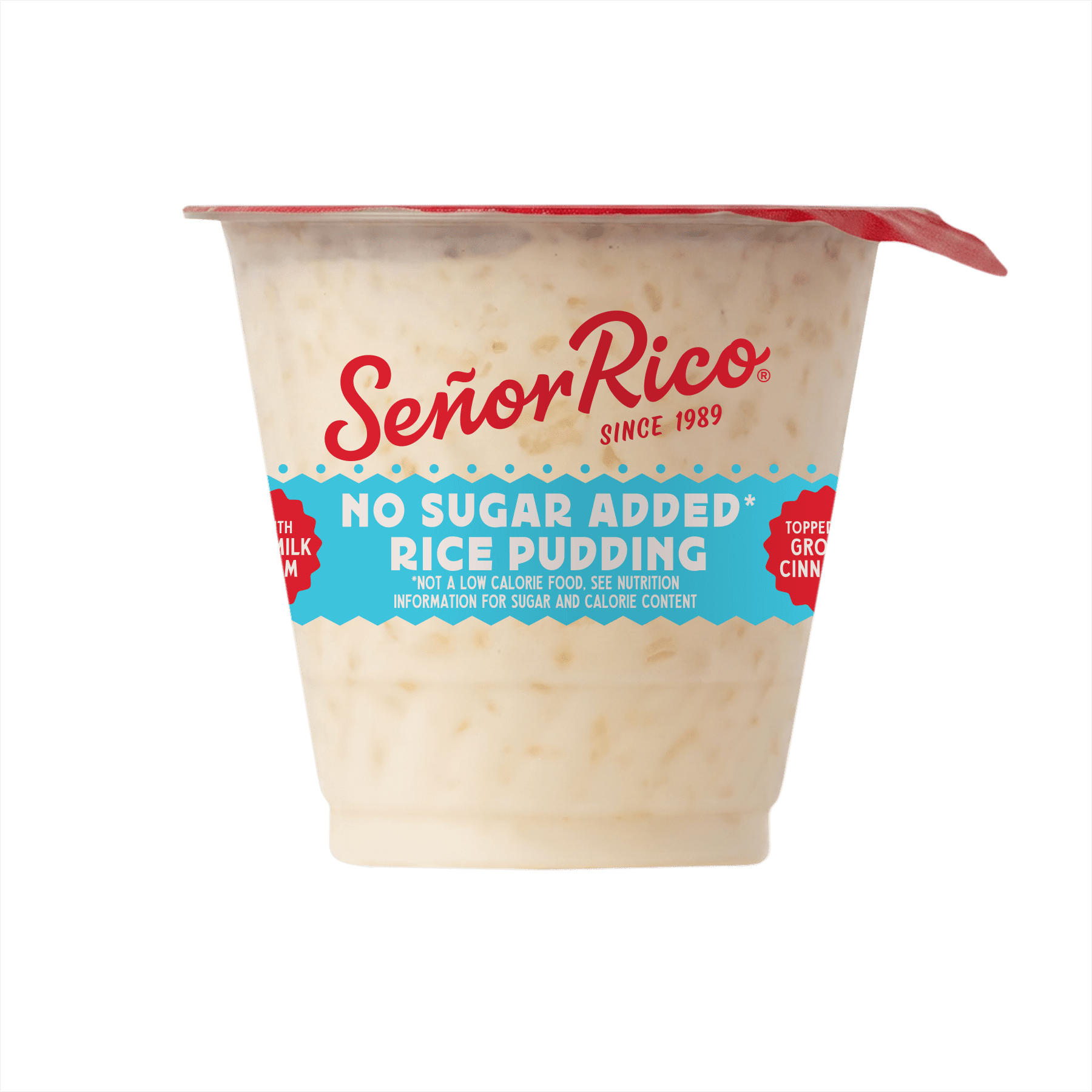






Rice Pudding
Trader Joe'sAnalysis updated August 2026 · How Scout scores
Near you
Trader Joe's is carried at Trader Joe stores. Find one within 25 miles.
At a glance
Summary
This rice pudding is ultra-processed, which limits its potential health score. It contains refined sugar, contributing to high calorie content without essential nutrients, and natural flavors, which lack transparency and may include various chemical compounds. Despite the presence of rice as a beneficial ingredient, the overall processing level and added sugars reduce its healthiness.
Key ingredients 10
RiceGood
Rice is a staple carbohydrate source that provides energy. It is minimally processed and can be a part of a balanced diet. Whole grain varieties offer additional fiber and nutrients.
Benefits
Provides a source of carbohydrates for energy and can be part of a balanced diet.
Heavy creamGood
Beneficial ingredient — whole-food or functional value in this product class.
Risks
High in saturated fats, which may contribute to heart disease if consumed in excess.
Benefits
Adds richness and flavor to foods, enhancing the culinary experience.
WaterNeutral
Water is a neutral ingredient used as a base or solvent in many food products. It does not provide any nutritional benefits or risks. It is essential for hydration but does not contribute to the nutritional profile of the product.
See more about Water →Whole milkNeutral
Whole milk is a source of calcium and vitamin D but also contains saturated fats. It is a common dairy product used for its creamy texture and nutritional content. Moderation is advised due to its fat content.
Risks
Contains saturated fats, which may impact heart health if consumed excessively.
Benefits
Provides calcium and vitamin D, important for bone health.
Nonfat milk powderNeutral
Nonfat milk powder is used to add dairy flavor and nutrients without the fat content of whole milk. It is a processed form of milk that retains protein and calcium. Useful in recipes where liquid milk is not feasible.
Benefits
Provides protein and calcium without the fat content of whole milk.
Modified starchNeutral
Modified starch is used as a thickening agent in processed foods. It is derived from natural starches but undergoes chemical modification. It improves texture and stability in food products.
Benefits
Improves texture and stability in food products.
Tapioca starchNeutral
Tapioca starch is a gluten-free thickening agent derived from cassava root. It is used to improve texture and consistency in foods. It is a neutral ingredient with no significant nutritional impact.
Benefits
Provides a gluten-free option for thickening and improving texture.
SaltNeutral
Salt is used to enhance flavor in foods but should be consumed in moderation. It is a common seasoning that can impact blood pressure if overconsumed. Essential for flavor but should be balanced in the diet.
Risks
Excessive salt intake can lead to high blood pressure and cardiovascular issues.
Benefits
Enhances flavor and is essential for various bodily functions in moderation.
SugarBad
Refined sugar is associated with negative health impacts such as increased risk of obesity and diabetes. It is a high-calorie ingredient with no essential nutrients. Excessive consumption can lead to metabolic issues and dental problems.
Risks
High consumption of sugar can lead to obesity, insulin resistance, and dental cavities.
Natural flavorBad
Natural flavors are often used to enhance taste but lack transparency in their composition. They are processed and can contain a variety of chemical compounds. The lack of disclosure can be concerning for those with allergies or sensitivities.
Risks
Potential allergen risk due to undisclosed ingredients and processing methods.
Processing
Ultra-Processed Foods
Get the full breakdown in the Scout appTake Scout shopping
Scan any product to see lab results, healthy alternatives, and your personalized analysis.
Download on theApp Store GET IT ONGoogle PlayAmazon pricing & content
Amazon price as of . Product prices and availability are accurate as of the date/time indicated and are subject to change. Any price and availability information displayed on Amazon.com at the time of purchase will apply to the purchase of this product.
CERTAIN CONTENT THAT APPEARS ON THIS SITE COMES FROM AMAZON. THIS CONTENT IS PROVIDED “AS IS” AND IS SUBJECT TO CHANGE OR REMOVAL AT ANY TIME.