



At a glance
Summary
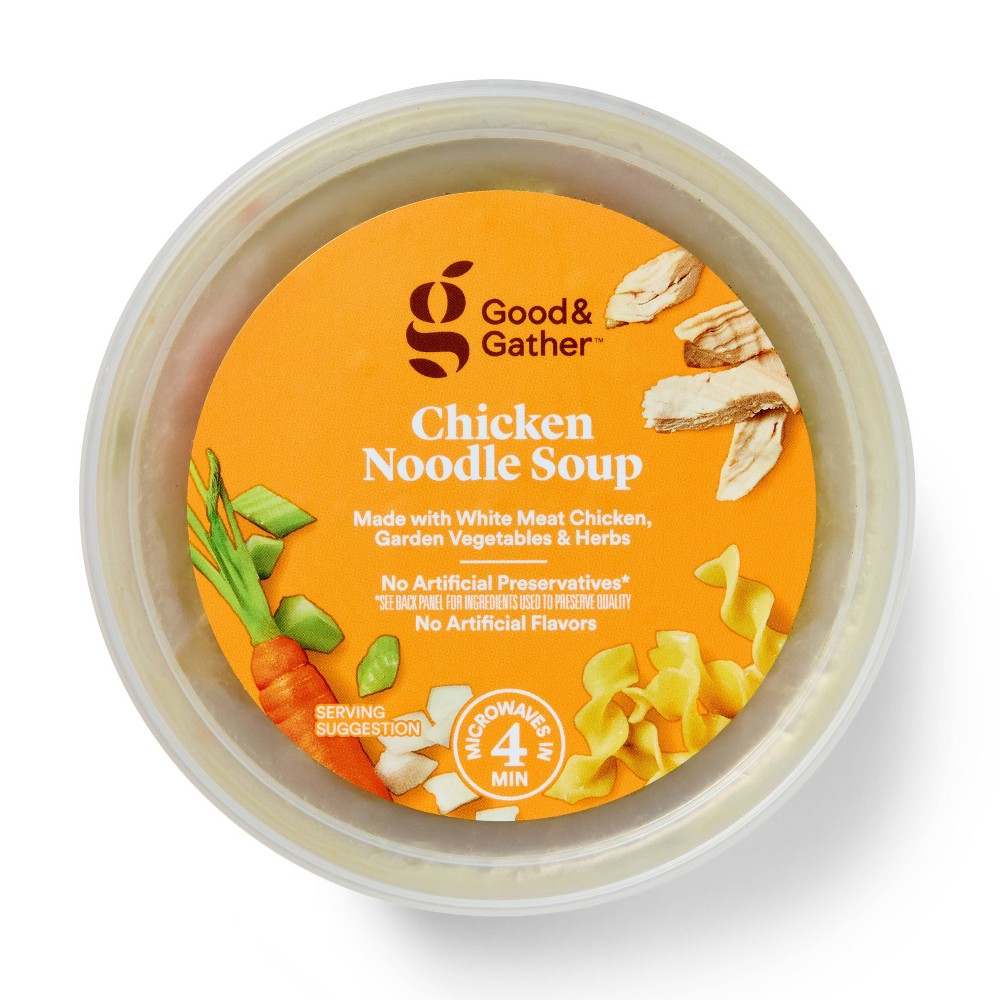
This chicken noodle soup contains beneficial ingredients such as chicken broth, roasted chicken meat, and carrots, which provide essential nutrients and protein. However, the presence of enriched egg noodles and yeast extract indicates a moderate level of processing. While the ingredient list is relatively clean, the processing level limits the potential score, and the use of enriched flour in the noodles suggests a departure from whole food ingredients.
Key ingredients 15
Cooked Roasted White Chicken MeatVery Good
Cooked roasted white chicken meat is a high-quality source of lean protein. It provides essential amino acids necessary for muscle repair and maintenance. Roasting enhances flavor without adding unhealthy fats.
Benefits
Rich in lean protein, supporting muscle growth and repair while being low in fat.
CarrotsVery Good
Carrots are a nutrient-dense vegetable rich in beta-carotene, fiber, and antioxidants. They are minimally processed and retain most of their nutritional value when cooked. Consuming carrots supports eye health and boosts the immune system.
Benefits
High in beta-carotene, which is converted to vitamin A, supporting vision and immune function.
Chicken BrothGood
Chicken broth is a flavorful base that provides essential nutrients like collagen and amino acids. It is typically made by simmering chicken bones and meat, which can enhance the nutritional profile. Homemade or minimally processed versions are preferable for maximum health benefits.
Benefits
Provides essential nutrients such as collagen and amino acids that support joint and gut health.
Egg WhiteGood
Egg white is a high-quality protein source that is low in calories and fat. It is often used in cooking for its binding properties and nutritional benefits. Egg whites are a versatile ingredient that supports muscle growth and repair.
Benefits
Rich in protein, supporting muscle growth and repair without added fat.
Whole EggGood
Whole eggs are a nutrient-dense food providing high-quality protein, healthy fats, and essential vitamins and minerals. They are minimally processed and offer a complete amino acid profile. Consuming whole eggs supports overall health and wellness.
Benefits
Provides complete protein and essential nutrients like choline and vitamin D.
NiacinGood
Beneficial ingredient — whole-food or functional value in this product class.
Risks
Excessive intake can lead to flushing and other side effects.
Benefits
Supports energy metabolism and overall cellular health.
Onion PowderGood
Onion powder is a dehydrated form of onion used to add flavor to dishes. It retains many of the beneficial compounds found in fresh onions, such as antioxidants and vitamins. It is a convenient way to enhance flavor without added calories.
Benefits
Provides flavor and antioxidants, supporting overall health.
Garlic PowderGood
Garlic powder is a dehydrated form of garlic that adds flavor and potential health benefits to foods. It contains compounds like allicin, which have been linked to heart health and immune support. It is a versatile ingredient used in many cuisines.
Benefits
Contains allicin, which may support heart health and boost the immune system.
Enriched Egg NoodlesNeutral
Enriched egg noodles provide carbohydrates and some protein, but they are processed and may contain added nutrients like niacin and iron. They are a common ingredient in soups, offering texture and substance. While they are not inherently harmful, they should be consumed in moderation.
Risks
May contribute to excessive carbohydrate intake if consumed in large quantities.
Benefits
Provides energy through carbohydrates and some added nutrients like niacin and iron.
Ferrous SulfateNeutral
Ferrous sulfate is an iron supplement added to foods to prevent iron deficiency anemia. It is commonly used in enriched products to enhance their nutritional profile. While beneficial for those with low iron levels, it should be consumed in moderation.
Risks
Excessive intake can cause gastrointestinal issues and toxicity.
Benefits
Helps prevent iron deficiency anemia by increasing iron intake.
Thiamine MononitrateNeutral
Thiamine mononitrate is a form of vitamin B1 added to foods to support energy metabolism. It is often included in enriched products to ensure adequate intake of essential nutrients. While beneficial, it is typically consumed in sufficient amounts through a varied diet.
Benefits
Supports energy metabolism and nervous system function.
StarchNeutral
Starch is a carbohydrate used as a thickening agent in soups and sauces. It is a common ingredient that provides texture and consistency to food products. While not inherently harmful, it should be consumed in moderation as part of a balanced diet.
Risks
May contribute to excessive carbohydrate intake if consumed in large quantities.
Benefits
Provides energy through carbohydrates and improves food texture.
Potassium ChlorideNeutral
Potassium chloride is used as a salt substitute to reduce sodium content in foods. It provides potassium, an essential mineral that supports heart and muscle function. While beneficial, excessive intake can lead to health issues.
Risks
Excessive intake can cause hyperkalemia, leading to heart and kidney issues.
Benefits
Helps reduce sodium intake while providing essential potassium.
Wheat FlourBad
Refined grain flour stripped of bran and germ.
Risks
May cause issues for individuals with gluten intolerance or celiac disease.
Benefits
Provides energy and some protein, though whole grain options are more nutritious.
Yeast ExtractBad
Concentrated glutamate source — MSG-adjacent flavor enhancer.
Risks
May contribute to high sodium intake if consumed in large quantities.
Benefits
Enhances flavor without the need for artificial additives.
Processing
Processed Foods
Get the full breakdown in the Scout appTake Scout shopping
Scan any product to see lab results, healthy alternatives, and your personalized analysis.
Download on theApp Store GET IT ONGoogle Play