



At a glance
Summary
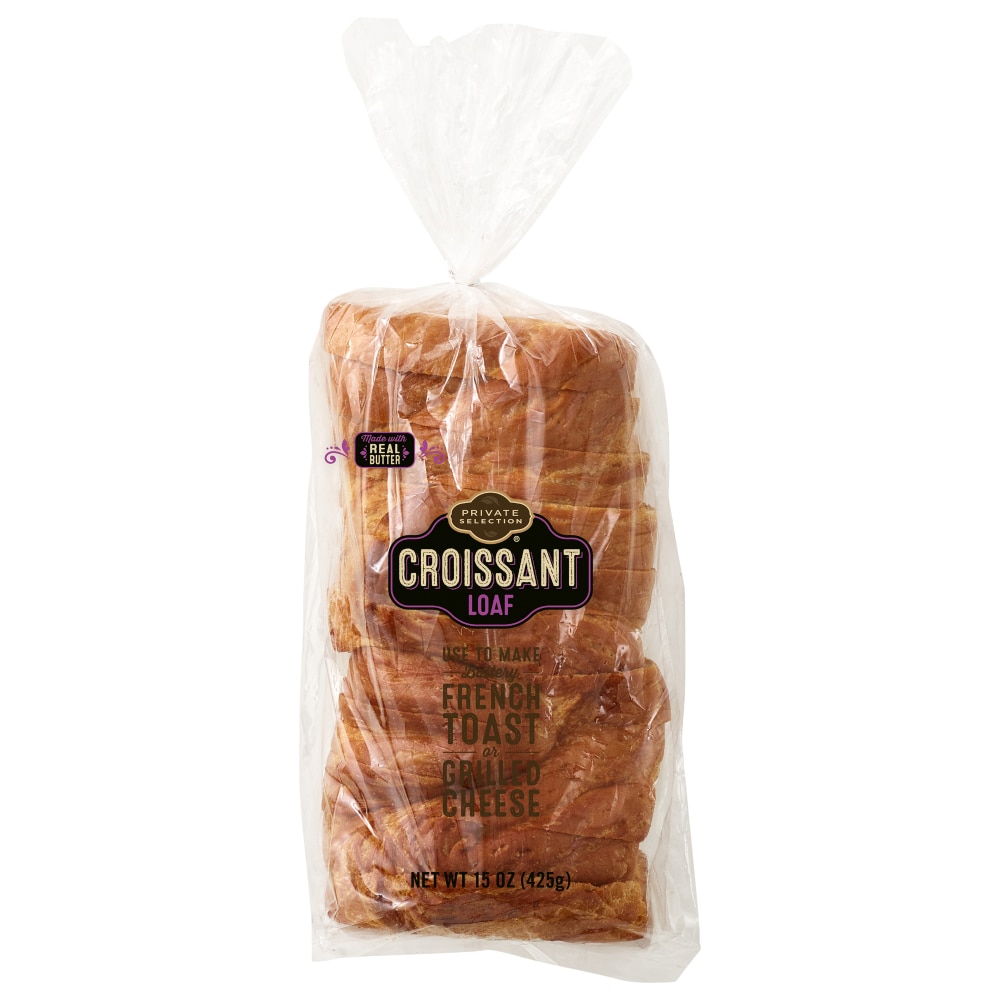
The Croissant Loaf is a processed food with a moderate level of processing, which limits its maximum score. It contains beneficial ingredients like unsalted butter and whole milk, which contribute to its nutritional profile. However, the presence of refined cane sugar and the use of dough conditioners detract from its overall healthiness, as these ingredients can contribute to increased calorie intake and potential health issues.
Key ingredients 16
Unsalted butterGood
Unsalted butter is a source of saturated fats and provides a rich flavor and texture to baked goods. It contains fat-soluble vitamins like A, D, and E. When used in moderation, it can be part of a balanced diet.
Risks
High in saturated fats, which may impact heart health if consumed in excess.
Benefits
Contains fat-soluble vitamins and provides a rich, creamy texture.
Whole milkGood
Whole milk is a source of calcium, protein, and essential vitamins. It contributes to the nutritional profile of baked goods. The fat content in whole milk adds richness and flavor.
Risks
Contains lactose, which may cause issues for lactose-intolerant individuals.
Benefits
Rich in calcium and vitamin D, supporting bone health.
Sea saltGood
Sea salt is a natural source of sodium and trace minerals. It is less processed than table salt and can enhance the flavor of foods. The trace minerals may offer additional health benefits compared to refined salt.
Risks
Excessive sodium intake can lead to hypertension and cardiovascular issues.
Benefits
Contains trace minerals that may support overall health.
NiacinGood
Beneficial ingredient — whole-food or functional value in this product class.
Benefits
Supports energy metabolism and DNA repair.
RiboflavinGood
Essential B vitamin — beneficial micronutrient.
Benefits
Supports energy production and overall metabolism.
Unbleached wheat flourNeutral
Unbleached wheat flour is a staple ingredient in baking, providing structure and texture. It is less processed than bleached flour, retaining more nutrients. However, it is still a refined carbohydrate with limited nutritional benefits.
Risks
May contribute to blood sugar spikes due to its refined nature.
Benefits
Provides essential carbohydrates for energy.
WaterNeutral
Water is a basic ingredient used to hydrate and bind other ingredients. It is essential for dough formation and texture. Water itself has no nutritional value but is crucial for the baking process.
See more about Water →YeastNeutral
Yeast is a microorganism used in baking to leaven dough, creating a light and airy texture. It is a natural ingredient that contributes to the fermentation process. Yeast itself does not provide significant nutritional benefits.
Benefits
Essential for fermentation and leavening in baking.
White distilled vinegarNeutral
White distilled vinegar is used as a dough conditioner and preservative. It is a natural acid that can enhance flavor and improve dough texture. Vinegar itself has minimal nutritional impact.
Benefits
Can improve dough texture and flavor.
Dough conditionerNeutral
Dough conditioners are used to improve the texture and shelf life of baked goods. They can include a variety of ingredients, but in small amounts, they are generally considered safe. The specific impact depends on the exact composition of the conditioner.
Risks
Potential for allergic reactions depending on specific ingredients used.
Benefits
Improves dough elasticity and shelf life.
Reduced ironNeutral
Reduced iron is added to enriched flour to prevent iron deficiency. It is an essential mineral for oxygen transport in the blood. While beneficial, the bioavailability of iron in this form can be limited.
Benefits
Helps prevent iron deficiency anemia.
Thiamine mononitrateNeutral
Thiamine mononitrate is a form of vitamin B1 added to enriched flour. It is crucial for carbohydrate metabolism and nerve function. Its addition helps prevent deficiency in diets reliant on refined grains.
Benefits
Supports carbohydrate metabolism and nerve function.
Folic acidNeutral
Folic acid is a synthetic form of vitamin B9 added to enriched flour. It is important for DNA synthesis and cell division. Its addition helps prevent neural tube defects in developing embryos.
Benefits
Essential for DNA synthesis and preventing neural tube defects.
EnzymesNeutral
Enzymes are used in baking to improve dough handling and texture. They are natural proteins that catalyze biochemical reactions. Enzymes are generally recognized as safe and have no direct nutritional impact.
Benefits
Enhances dough texture and processing.
Cane sugarBad
Cane sugar is a refined sweetener that can contribute to increased calorie intake and blood sugar levels. It is often used to enhance flavor but offers no essential nutrients. Excessive consumption can lead to health issues like obesity and diabetes.
Risks
May contribute to obesity, diabetes, and other metabolic disorders when consumed in excess.
Benefits
Provides quick energy but lacks essential nutrients.
Enriched wheat flourBad
Refined grain flour stripped of bran and germ.
Risks
May contribute to blood sugar spikes due to its refined nature.
Benefits
Provides added vitamins and minerals like iron and B vitamins.
Processing
Processed Foods
Get the full breakdown in the Scout appTake Scout shopping
Scan any product to see lab results, healthy alternatives, and your personalized analysis.
Download on theApp Store GET IT ONGoogle Play