TOMATO CONDENSED SOUP
Kroger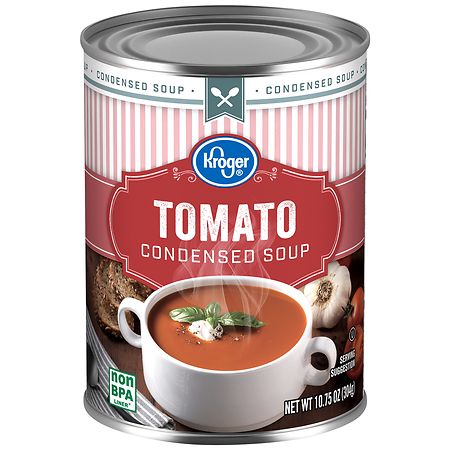
At a glance
Summary
This tomato condensed soup is ultra-processed, which limits its health score despite containing beneficial ingredients like tomato puree and sea salt. The presence of refined sugar and vague natural flavoring detracts from its nutritional quality, as these ingredients are associated with potential health concerns and lack transparency. The overall processing level and inclusion of these less desirable components result in a moderate rating.
Key ingredients 11
Tomato pureeGood
Tomato puree is a concentrated source of tomatoes, providing vitamins and antioxidants like lycopene. It is minimally processed, retaining most of the nutritional benefits of fresh tomatoes. The puree is a natural ingredient with no added artificial substances.
Benefits
Rich in vitamins A and C, and antioxidants such as lycopene, which may support heart health and reduce inflammation.
Sea saltGood
Sea salt is a natural source of sodium and trace minerals. It is less processed than table salt and retains some beneficial minerals. It enhances flavor and provides essential electrolytes.
Risks
Excessive consumption can lead to high blood pressure and cardiovascular issues.
Benefits
Contains trace minerals and provides essential sodium for maintaining fluid balance.
WaterNeutral
Water is used as a solvent and base in many food products. It is essential for hydration but does not contribute significant nutritional value. In this product, it serves to dilute the tomato paste to the desired consistency.
See more about Water →Wheat flourNeutral
Wheat flour is used as a thickening agent in soups. It provides carbohydrates but is refined, which reduces its nutritional value compared to whole grain options. It is a common ingredient in processed foods, contributing to texture and consistency.
Risks
May cause allergic reactions in individuals with gluten intolerance or celiac disease.
Benefits
Provides carbohydrates for energy but lacks the fiber and nutrients found in whole grains.
SaltNeutral
Salt is used to enhance flavor and preserve food. It is a common ingredient in processed foods but should be consumed in moderation to avoid health issues. Excessive salt intake can lead to hypertension and cardiovascular problems.
Risks
High sodium intake is associated with increased blood pressure and risk of heart disease.
Benefits
Enhances flavor and acts as a preservative in food products.
Modified corn starchNeutral
Modified corn starch is used as a thickening agent and stabilizer in processed foods. It is derived from corn and undergoes chemical modification to improve its functional properties. It provides no significant nutritional benefits but helps achieve desired texture in food products.
See more about Modified corn starch →Potassium chlorideNeutral
Potassium chloride is used as a salt substitute to reduce sodium content in foods. It provides potassium, an essential mineral for maintaining electrolyte balance. It is generally safe but should be consumed in moderation to avoid hyperkalemia.
Risks
Excessive intake can lead to hyperkalemia, especially in individuals with kidney issues.
Benefits
Provides potassium, which is important for nerve function and muscle contraction.
Citric acidNeutral
Citric acid is a natural preservative and flavor enhancer found in citrus fruits. It is commonly used in processed foods to add acidity and preserve freshness. It is generally recognized as safe when used in food products.
Benefits
Acts as a preservative and enhances flavor by adding acidity.
Ascorbic acidNeutral
Ascorbic acid, also known as vitamin C, is used as an antioxidant and preservative in foods. It helps prevent oxidation and maintains color and flavor. While beneficial as a vitamin, its use in processed foods is primarily for preservation.
Benefits
Acts as an antioxidant and helps preserve food quality.
SugarBad
Refined sugar is added for sweetness but offers no nutritional benefits and can contribute to health issues like obesity and diabetes. It is a processed ingredient that can lead to increased calorie intake without essential nutrients. Excessive consumption of sugar is linked to various metabolic disorders.
Risks
High intake of refined sugar can lead to weight gain, insulin resistance, and increased risk of chronic diseases.
Natural flavoringBad
Natural flavoring is a vague term that can include a variety of substances derived from natural sources. It lacks transparency and can mask the presence of less desirable ingredients. The term does not guarantee the absence of processing or additives.
Risks
May contain allergens or substances that some individuals are sensitive to.
Processing
Ultra-Processed Foods
Get the full breakdown in the Scout appTake Scout shopping
Scan any product to see lab results, healthy alternatives, and your personalized analysis.
Are you Kroger? Fix an error Get the badge Get tested