
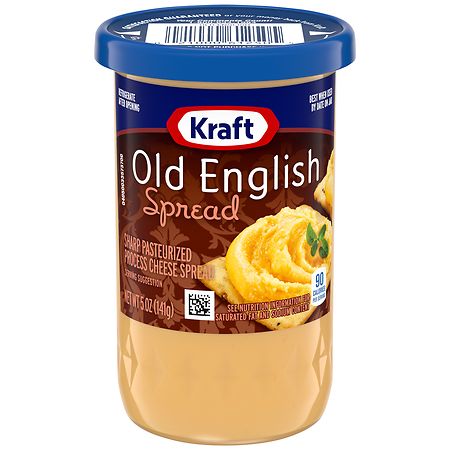



Kraft Old English Pasteurized Process Cheese Spread 5 oz Jar
Analysis updated July 2026 · How Scout scores
At a glance
Summary
This cheese spread is ultra-processed, which limits its score due to the high level of processing involved. It contains sodium phosphate and sorbic acid, which are used as emulsifiers and preservatives, respectively, and can have health implications with excessive consumption. While it includes cheddar cheese, a beneficial ingredient, the presence of synthetic additives and the processing level significantly impact its overall healthiness.
Key ingredients 9
Cheddar cheeseGood
Cheddar cheese is a source of high-quality protein and calcium. It is made from milk and provides essential nutrients like vitamin B12 and phosphorus. The aging process enhances its flavor and nutritional profile.
Risks
High in saturated fat and sodium, which may contribute to cardiovascular issues if consumed in excess.
Benefits
Rich in protein and calcium, supporting bone health and muscle function. Contains beneficial bacteria from the fermentation process.
Cultured milkNeutral
Cultured milk is used to create cheese through fermentation, adding beneficial bacteria. It is a source of probiotics which can aid digestion. However, it is a common ingredient in dairy products and does not stand out nutritionally.
Benefits
Provides probiotics that may support gut health and improve digestion.
SaltNeutral
Salt is used for flavor enhancement and preservation in cheese products. It is a necessary component in cheese making but contributes to high sodium content. Excessive intake can lead to health issues like hypertension.
Risks
High sodium intake is associated with increased risk of hypertension and cardiovascular diseases.
Benefits
Essential for flavor and preservation in cheese products.
EnzymesNeutral
Enzymes are used in cheese making to coagulate milk, forming curds. They are essential for the cheese production process. Typically derived from animal or microbial sources, they do not contribute significant nutritional value.
Benefits
Crucial for the cheese-making process, aiding in milk coagulation.
WaterNeutral
Water is used as a filler and to adjust the texture of processed cheese. It does not provide any nutritional benefits. Its presence helps achieve the desired consistency in cheese spreads.
Benefits
Helps in achieving the desired texture and consistency in processed cheese products.
Lactic acidNeutral
Lactic acid is used to adjust acidity and enhance flavor in cheese products. It is naturally occurring and generally recognized as safe. It does not provide significant nutritional benefits.
Benefits
Enhances flavor and helps maintain acidity in cheese products.
ApocarotenalNeutral
Apocarotenal is a natural colorant derived from plants, used to enhance the color of cheese. It is considered safe and does not contribute significant nutritional value. It is a preferred alternative to artificial dyes.
Benefits
Provides natural color enhancement without the risks associated with artificial dyes.
Sodium phosphateBad
Sodium phosphate is used as an emulsifier in processed cheese products. It helps maintain texture and prevents separation. However, excessive consumption can lead to imbalances in phosphate levels in the body.
Risks
High intake may lead to kidney damage and imbalances in calcium and phosphate levels.
Benefits
Improves texture and stability of processed cheese products.
Sorbic acidBad
Sorbic acid is a preservative used to prevent mold and yeast growth in cheese. While effective, it is a synthetic additive. Long-term consumption of preservatives may have health implications.
Risks
Potential for allergic reactions and long-term health effects with excessive consumption.
Benefits
Prevents spoilage and extends shelf life of cheese products.
Processing
Ultra-Processed Foods
Get the full breakdown in the Scout appTake Scout shopping
Scan any product to see lab results, healthy alternatives, and your personalized analysis.
Download on theApp Store GET IT ONGoogle Play