
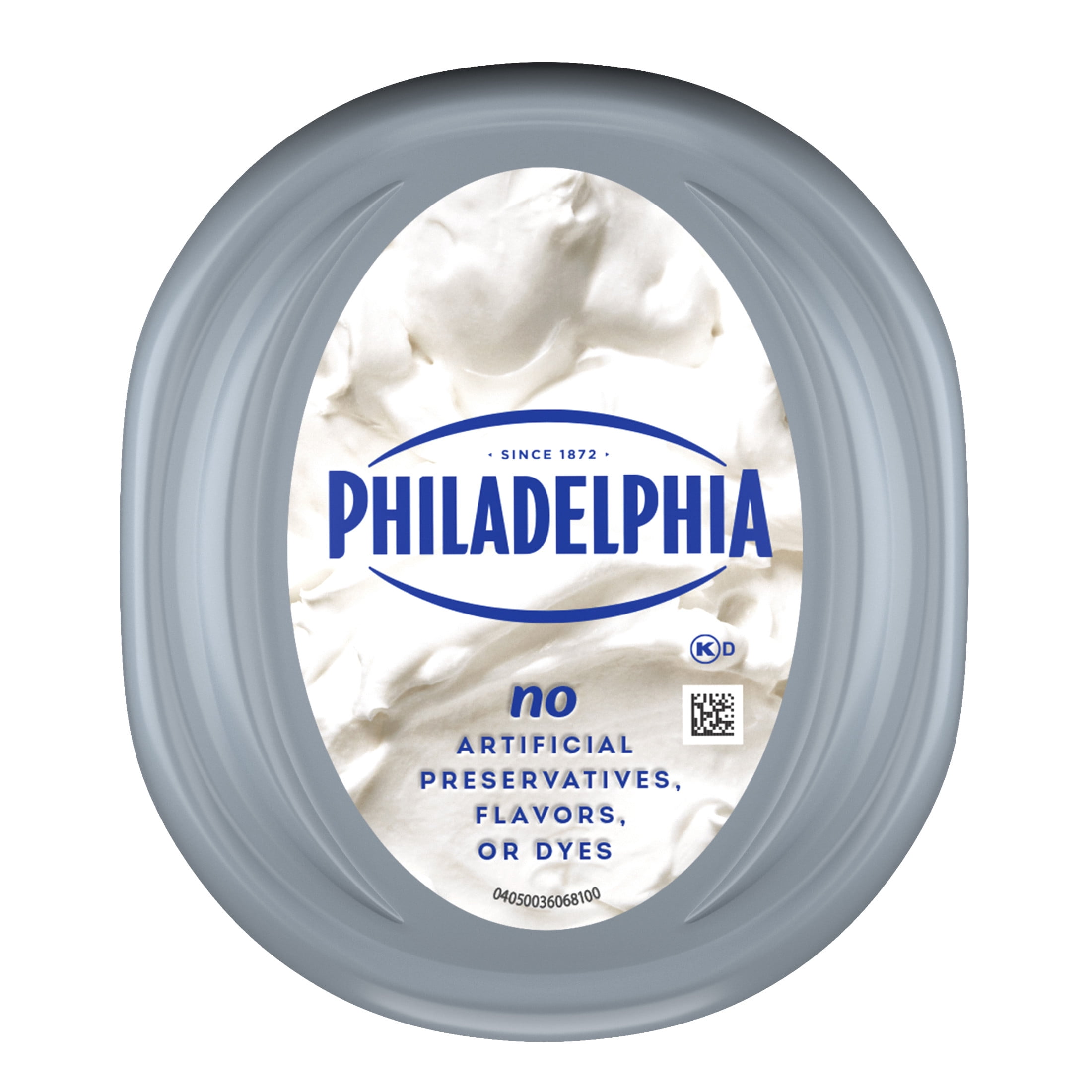




no artificial preservatives, flavors, or dyes
PhiladelphiaAnalysis updated August 2026 · How Scout scores
At a glance
Summary
This product contains high-quality ingredients such as pasteurized milk and cream, whey protein concentrate, and cheese culture, which contribute to its nutritional value. However, it is classified as ultra-processed due to the presence of multiple additives, including sorbic acid and various gums, which are used to enhance texture and preservation. The level of processing and the use of synthetic preservatives limit its overall health score.
Key ingredients 10
Pasteurized milk and creamGood
Pasteurized milk and cream are primary sources of high-quality protein and calcium. They provide essential nutrients and contribute to the creamy texture of the product. The pasteurization process ensures safety by eliminating harmful bacteria.
Benefits
Rich in protein and calcium, supporting bone health and muscle function.
Whey protein concentrateGood
Whey protein concentrate is a high-quality protein source with a complete amino acid profile. It is beneficial for muscle repair and growth. The concentration process retains essential nutrients and bioactive compounds.
Risks
May cause digestive discomfort in lactose-intolerant individuals.
Benefits
Supports muscle growth and repair due to its complete amino acid profile.
Cheese cultureGood
Cheese culture consists of bacteria used in the fermentation process to develop flavor and texture in cheese. It is essential for cheese production and contributes beneficial probiotics. The fermentation process enhances the nutritional profile of the cheese.
Benefits
Contributes to flavor development and provides beneficial probiotics.
WheyNeutral
Whey is a byproduct of cheese production and contains proteins and lactose. It is less concentrated than whey protein concentrate. It provides some nutritional benefits but is not as potent as concentrated forms.
Risks
May cause digestive issues for those with lactose intolerance.
Benefits
Provides additional protein and nutrients, though in smaller amounts compared to concentrated forms.
SaltNeutral
Salt is used for flavor enhancement and preservation. It is a common ingredient in processed foods. While necessary for bodily functions, excessive intake can lead to health issues.
Risks
High sodium intake can contribute to hypertension and cardiovascular issues.
Benefits
Essential for maintaining fluid balance and nerve function.
Carob bean gumNeutral
Carob bean gum is a natural thickening agent derived from carob seeds. It is used to improve texture and stability in food products. It is generally considered safe and has minimal health impacts.
Benefits
Helps improve texture and stability without significant health concerns.
Xanthan gumNeutral
Xanthan gum is a polysaccharide used as a thickening and stabilizing agent. It is produced through fermentation and is widely used in food processing. It is generally safe but can cause digestive issues in large amounts.
Risks
May cause digestive discomfort if consumed in large quantities.
Benefits
Improves texture and stability in food products.
Guar gumNeutral
Guar gum is a natural thickener derived from guar beans. It is used to enhance texture and consistency in foods. It is generally safe but can cause digestive issues in sensitive individuals.
Risks
May cause digestive discomfort in sensitive individuals.
Benefits
Enhances texture and consistency in food products.
Vitamin A palmitateNeutral
Vitamin A palmitate is a synthetic form of vitamin A used to fortify foods. It is important for vision and immune function. While beneficial, excessive intake can lead to toxicity.
Risks
Excessive intake can lead to vitamin A toxicity.
Benefits
Supports vision and immune function as a source of vitamin A.
Sorbic acidBad
Sorbic acid is a synthetic preservative used to prevent mold and yeast growth. While effective, it is an additive that some consumers prefer to avoid. It is generally recognized as safe but can cause allergic reactions in sensitive individuals.
Risks
May cause allergic reactions in sensitive individuals.
Benefits
Prevents spoilage by inhibiting mold and yeast growth.
Processing
Ultra-Processed Foods
Get the full breakdown in the Scout appTake Scout shopping
Scan any product to see lab results, healthy alternatives, and your personalized analysis.
Download on theApp Store GET IT ONGoogle Play