Probiotic + Prebiotic Fiber

At a glance
Summary
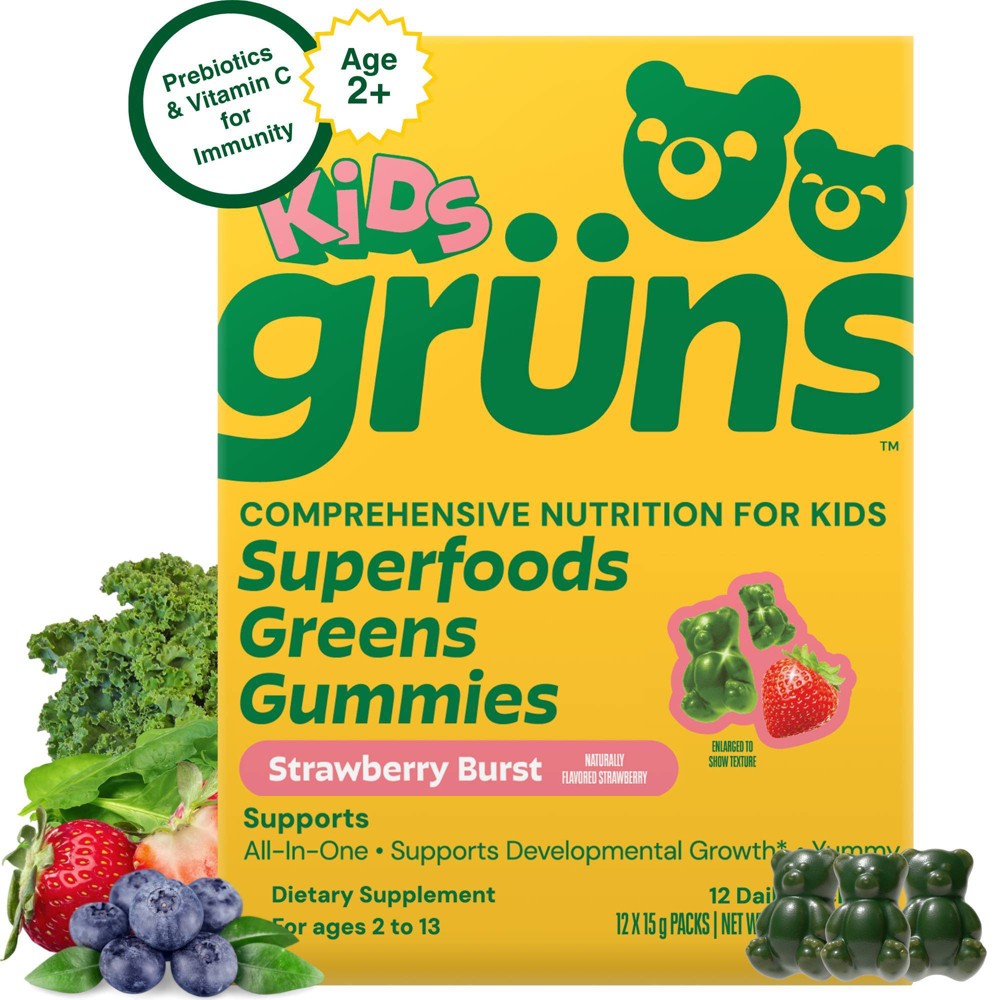
This supplement contains beneficial ingredients like inulin and Bacillus coagulans, which support gut health and digestion. However, the presence of 'color added' and 'natural flavors' raises concerns due to potential artificial additives and lack of transparency. Additionally, sunflower lecithin, while functional, is processed and could contain trace solvents, impacting the overall formulation quality. Its plastic packaging can shed microplastics into the product and lowers its score.
Key ingredients 14
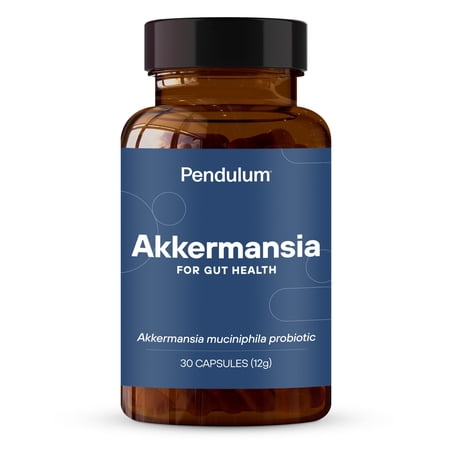
Bacillus coagulansVery Good
Bacillus coagulans is a probiotic strain that supports gut health and immune function. It is well-researched and known for its stability and efficacy in improving digestive health. This strain can help balance gut flora and enhance nutrient absorption.
Benefits
Supports gut health and boosts immune function.
InulinGood
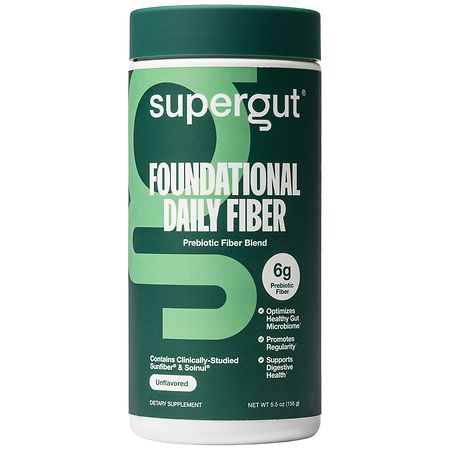
Inulin is a prebiotic fiber that supports gut health by promoting the growth of beneficial bacteria. It is derived from chicory root and is minimally processed, retaining its natural benefits. Inulin can improve digestive health and enhance nutrient absorption.
Risks
Excessive consumption may cause digestive discomfort such as bloating or gas.
Benefits
Supports gut health and aids in maintaining a healthy digestive system.
Coconut OilGood
Coconut oil is a natural fat known for its medium-chain triglycerides (MCTs), which can provide quick energy. It is minimally processed and has potential health benefits. Coconut oil may support metabolism and provide antimicrobial properties.
Risks
High in saturated fats, which should be consumed in moderation.
Benefits
Provides quick energy and may support metabolic health.
Monk Fruit ExtractGood
Beneficial ingredient — whole-food or functional value in this product class.
Benefits
Provides sweetness without calories or impact on blood sugar levels.
Medium Chain TriglyceridesGood
Medium chain triglycerides (MCTs) are fats that are rapidly absorbed and used for energy. They are derived from coconut or palm oil and are minimally processed. MCTs can support weight management and provide quick energy.
Risks
Excessive intake may lead to digestive discomfort.
Benefits
Supports energy metabolism and may aid in weight management.
PectinNeutral
Pectin is a natural fiber found in fruits, used as a gelling agent. It is minimally processed and generally considered safe. Pectin can aid in digestion and help maintain healthy cholesterol levels.
Benefits
May support digestive health and help regulate cholesterol levels.
WaterNeutral
Water is used as a solvent and carrier in many food products. It is essential for hydration and is not processed. Water is a neutral ingredient with no direct health impacts.
Benefits
Essential for hydration and overall health.
Citric AcidNeutral
Citric acid is a natural preservative and flavor enhancer found in citrus fruits. It is widely used in food processing and is generally recognized as safe. Citric acid can enhance flavor and preserve freshness.
Risks
May cause irritation in individuals with citric acid sensitivity.
Benefits
Enhances flavor and acts as a natural preservative.
Sodium CitrateNeutral
Sodium citrate is a salt of citric acid used as a preservative and acidity regulator. It is generally recognized as safe and is used in many food products. Sodium citrate can help maintain product stability and flavor.
Benefits
Helps maintain product stability and flavor.
Tapioca StarchNeutral
Tapioca starch is a carbohydrate extracted from cassava root, used as a thickening agent. It is minimally processed and gluten-free, making it suitable for those with gluten sensitivities. Tapioca starch provides texture without significant nutritional value.
Benefits
Provides texture and is suitable for gluten-free diets.
MaltitolBad
A sugar alcohol used to label products sugar-free. It still raises blood sugar — roughly half as much as table sugar — and commonly causes bloating and digestive upset at the amounts found in bars and candy.
Risks
May cause digestive discomfort such as bloating or diarrhea when consumed in large amounts.
Benefits
Provides sweetness with fewer calories than sugar.
Color AddedBad
Color added refers to artificial or natural colorants used to enhance product appearance. The specific type of colorant is not disclosed, which raises concerns about potential artificial additives. Artificial colors can cause allergic reactions or hyperactivity in sensitive individuals.
Risks
Potential for allergic reactions or hyperactivity, especially in children.
Natural FlavorsBad
Natural flavors are a catch-all term for flavoring agents derived from natural sources. The lack of transparency about specific ingredients raises concerns about potential allergens or additives. Natural flavors can mask the presence of less desirable ingredients.
Risks
Potential for hidden allergens or additives.
Sunflower LecithinBad
Sunflower lecithin is an emulsifier derived from sunflower seeds. It is processed to extract lecithin, which can contain trace amounts of solvents. While it aids in texture and consistency, it is considered less desirable due to processing concerns.
Risks
Potential for trace solvent residues from processing.
Benefits
Improves texture and consistency in food products.
Processing
Ultra-Processed Foods
Get the full breakdown in the Scout appTake Scout shopping
Scan any product to see lab results, healthy alternatives, and your personalized analysis.
Are you Nature Made? Fix an error Get the badge Get tested