
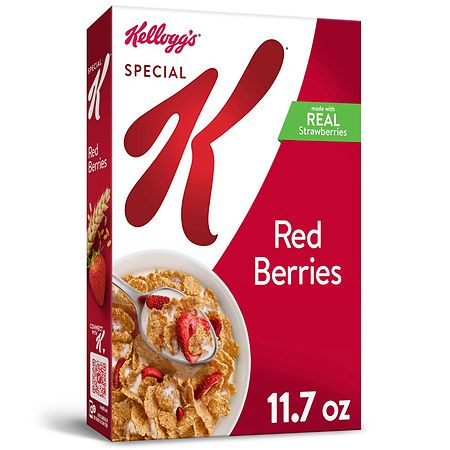



RED BERRIES CRUNCHY WHEAT & RICE FLAKES WITH REAL STRAWBERRIES CEREAL, RED BERRIES
Analysis updated April 2026 · How Scout scores
At a glance
Summary
This cereal contains beneficial ingredients like whole grain wheat and freeze-dried strawberries, which provide fiber and nutrients. However, it is heavily processed and contains a significant amount of added sugar, which can contribute to health issues if consumed in excess. The high level of processing and the presence of refined sugar limit its overall healthiness despite some positive nutritional aspects.
Key ingredients 19
Whole grain wheatVery Good
Whole grain wheat is a rich source of dietary fiber and essential nutrients. It is minimally processed, retaining its bran and germ, which contribute to its nutritional profile. Consuming whole grains is associated with reduced risk of chronic diseases.
Benefits
Provides dietary fiber that supports digestive health and helps maintain stable blood sugar levels. Contains essential vitamins and minerals beneficial for overall health.
Freeze-dried strawberriesVery Good
Freeze-dried strawberries retain most of their nutrients, including vitamin C and antioxidants. The freeze-drying process preserves the fruit's natural flavors and nutrients without the need for additives. They provide a concentrated source of beneficial compounds found in fresh strawberries.
Benefits
Rich in antioxidants and vitamin C, which support immune function and reduce oxidative stress.
Wheat branGood
Wheat bran is a high-fiber ingredient that supports digestive health. It is the outer layer of the wheat kernel, rich in insoluble fiber and essential nutrients. Regular consumption can aid in maintaining bowel regularity and reducing cholesterol levels.
Benefits
Provides insoluble fiber that aids in digestion and helps prevent constipation. Contains essential nutrients like magnesium and phosphorus.
Vitamin C (ascorbic acid)Good
Vitamin C is an essential nutrient that supports immune function and acts as an antioxidant. It is added to foods to enhance nutritional value and prevent oxidation. Regular intake is important for collagen synthesis and skin health.
Benefits
Supports immune health and acts as a powerful antioxidant, protecting cells from damage.
Vitamin E acetateGood
Vitamin E acetate is a form of vitamin E used to fortify foods and provide antioxidant benefits. It helps protect cells from oxidative damage and supports skin health. Fortification ensures adequate intake of this essential nutrient.
Benefits
Acts as an antioxidant, protecting cells from oxidative stress and supporting skin health.
NiacinamideGood
Niacinamide is a form of vitamin B3 that supports energy metabolism and skin health. It is added to foods to prevent niacin deficiency and enhance nutritional value. Regular intake is important for maintaining healthy skin and nervous system function.
Benefits
Supports energy production and helps maintain healthy skin and nervous system.
Beta-caroteneGood
Beta-carotene is a precursor to vitamin A and provides antioxidant benefits. It is used to fortify foods and enhance their nutritional profile. As a natural pigment, it also adds color to foods.
Risks
Excessive intake can lead to carotenemia, a harmless condition causing yellowing of the skin.
Benefits
Acts as an antioxidant and is converted to vitamin A, supporting vision and immune health.
Vitamin B6 (pyridoxine hydrochloride)Good
Vitamin B6 is essential for protein metabolism and cognitive development. It is added to foods to prevent deficiency and support overall health. Adequate intake is important for neurotransmitter synthesis and immune function.
Benefits
Supports protein metabolism and cognitive health, and is important for immune function.
Vitamin B1 (thiamin hydrochloride)Good
Vitamin B1 is crucial for energy metabolism and nerve function. It is added to foods to prevent thiamin deficiency and support overall health. Regular intake is important for converting carbohydrates into energy.
Benefits
Supports energy metabolism and is essential for nerve function.
Vitamin B2 (riboflavin)Good
Vitamin B2 is important for energy production and cellular function. It is added to foods to prevent riboflavin deficiency and enhance nutritional value. Adequate intake supports healthy skin and eyes.
Benefits
Supports energy production and is important for maintaining healthy skin and eyes.
Vitamin D3Good
Vitamin D3 is essential for calcium absorption and bone health. It is added to foods to prevent deficiency and support immune function. Adequate intake is important for maintaining healthy bones and teeth.
Risks
Excessive intake can lead to hypercalcemia, a condition characterized by elevated calcium levels in the blood.
Benefits
Supports calcium absorption and bone health, and plays a role in immune function.
Vitamin B12Good
Vitamin B12 is crucial for red blood cell formation and neurological function. It is added to foods to prevent deficiency and support overall health. Adequate intake is important for maintaining healthy nerve cells and preventing anemia.
Benefits
Supports red blood cell formation and neurological function, and helps prevent anemia.
RiceNeutral
Rice is a staple carbohydrate source that provides energy. It is often refined, which can reduce its nutritional value compared to whole grains. However, it is easily digestible and a common ingredient in many diets.
Risks
Refined rice may contribute to rapid spikes in blood sugar levels due to its high glycemic index.
Benefits
Provides a quick source of energy and is generally well-tolerated by most individuals.
Brown sugar syrupNeutral
Brown sugar syrup is a sweetener that adds flavor and moisture to foods. It is less refined than white sugar but still contributes to calorie intake without significant nutritional benefits. Used in small amounts, it can enhance the taste of products.
Risks
Excessive consumption can contribute to weight gain and increased risk of metabolic disorders.
Benefits
Provides a rich flavor profile that can enhance the taste of foods.
SaltNeutral
Salt is used to enhance flavor and preserve food. It is essential for maintaining fluid balance and nerve function. However, excessive intake can lead to hypertension and cardiovascular issues.
Risks
High sodium intake is associated with increased risk of high blood pressure and cardiovascular diseases.
Benefits
Essential for maintaining electrolyte balance and proper muscle function.
Malt flavorNeutral
Malt flavor is derived from malted barley and adds a distinct taste to foods. It is minimally processed and used in small quantities. While it enhances flavor, it does not provide significant nutritional benefits.
Benefits
Enhances the flavor profile of foods, providing a rich, malty taste.
Reduced ironNeutral
Standard formulation ingredient — neither beneficial nor harmful at typical use.
Risks
Excessive iron intake can lead to toxicity and gastrointestinal issues.
Benefits
Essential for oxygen transport in the blood and preventing anemia.
Folic acidNeutral
Standard formulation ingredient — neither beneficial nor harmful at typical use.
Benefits
Supports DNA synthesis and cell division, and is crucial for fetal development during pregnancy.
SugarBad
Refined sugar is a high-calorie ingredient with no essential nutrients. It is associated with increased risk of obesity, type 2 diabetes, and dental cavities. Excessive consumption can lead to metabolic issues and increased inflammation.
Risks
High intake of refined sugar can lead to weight gain, insulin resistance, and increased risk of chronic diseases.
Processing
Ultra-Processed Foods
Get the full breakdown in the Scout appTake Scout shopping
Scan any product to see lab results, healthy alternatives, and your personalized analysis.
Download on theApp Store GET IT ONGoogle Play