
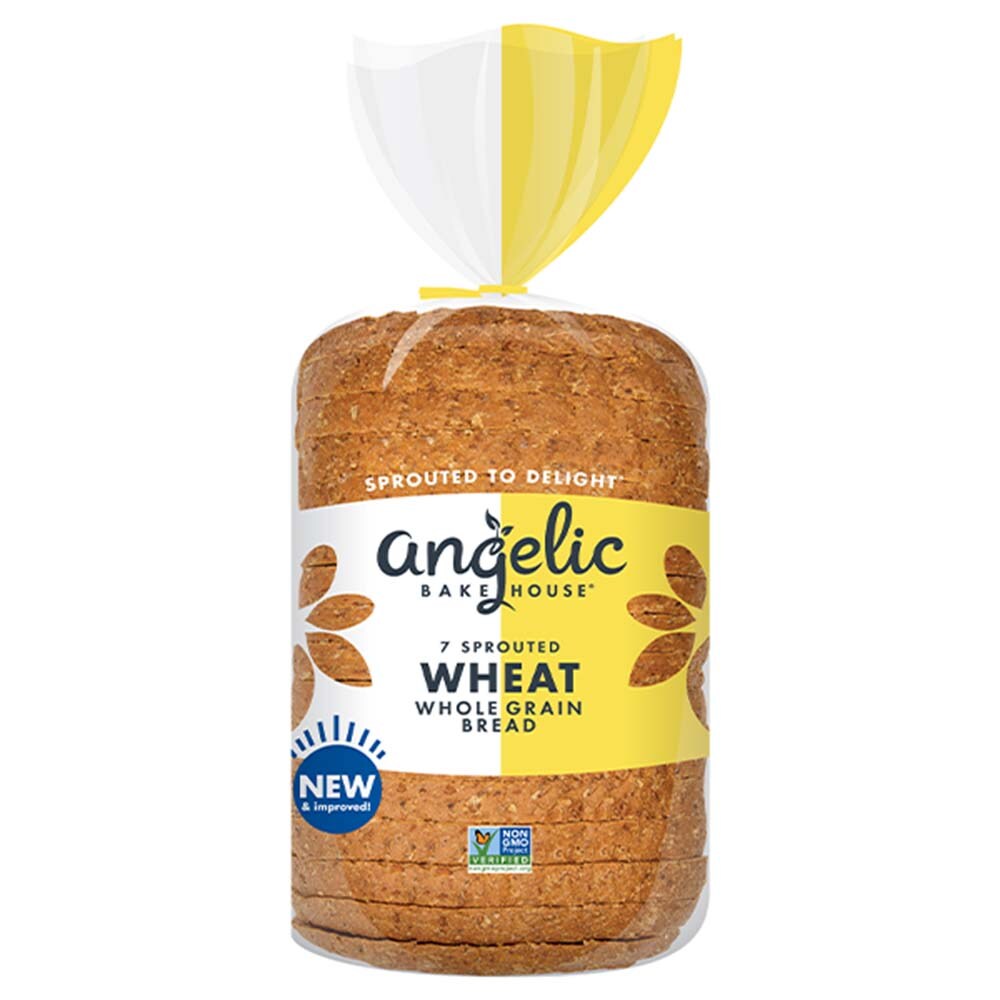


:format(jpg)/d2lnr5mha7bycj.cloudfront.net/product-image/file/large_4dd0cb05-9b18-4332-bf4f-0bf8c3a2b6c4.jpg)

At a glance
Summary
This sprouted wheat bread contains a variety of whole grains and beneficial ingredients like quinoa, amaranth, and millet, which contribute to its nutritional value. However, despite its good ingredient profile, the bread is classified as ultra-processed due to the presence of multiple processed components like vital wheat gluten and yeast. This level of processing limits its overall health score, despite the absence of harmful additives or seed oils.
Key ingredients 16
Whole Sprouted Grains Of Red Wheat BerriesVery Good
Whole sprouted grains are rich in nutrients and easier to digest than non-sprouted grains. Sprouting increases the bioavailability of vitamins and minerals. This process also reduces antinutrients, enhancing nutrient absorption.
Benefits
Provides a good source of fiber, vitamins, and minerals, supporting digestive health and providing sustained energy.
QuinoaVery Good
Quinoa is a complete protein containing all nine essential amino acids. It is also high in fiber and various vitamins and minerals. Its nutrient density makes it a valuable addition to a balanced diet.
Benefits
Rich in protein and fiber, supporting muscle health and digestion.
Oat GroatsGood
Oat groats are the whole, minimally processed form of oats, retaining most of their nutrients. They are high in soluble fiber, which can help lower cholesterol levels. Their slow digestion rate provides long-lasting energy.
Benefits
High in soluble fiber, which supports heart health and aids in maintaining stable blood sugar levels.
Rye BerriesGood
Rye berries are whole grains that provide a rich source of fiber and essential nutrients. They have a lower glycemic index compared to other grains, which can help manage blood sugar levels. Their dense nutrient profile supports overall health.
Benefits
Supports digestive health and provides a steady release of energy due to its fiber content.
BarleyGood
Barley is a whole grain known for its high fiber content, particularly beta-glucan, which can help reduce cholesterol. It also contains vitamins and minerals that support overall health. Its fiber content aids in digestion and promotes satiety.
Benefits
Rich in beta-glucan fiber, which supports heart health and aids in digestion.
AmaranthGood
Amaranth is a gluten-free grain that is high in protein and contains all essential amino acids. It is also rich in iron, magnesium, and phosphorus. Its nutrient profile makes it a beneficial addition to a balanced diet.
Benefits
Provides a complete protein source and is rich in essential minerals.
MilletGood
Millet is a gluten-free grain that is high in fiber and essential nutrients like magnesium and phosphorus. It is easily digestible and can support heart health. Its nutrient density makes it a valuable component of a healthy diet.
Benefits
Supports heart health and provides essential nutrients.
100% Domestic HoneyGood
Honey is a natural sweetener with antioxidant properties. It provides a source of simple sugars and can enhance flavor. Its use as a sweetener is generally considered more natural compared to refined sugars.
Risks
Excessive consumption may contribute to increased calorie intake.
Benefits
Contains antioxidants and provides a natural source of sweetness.
Oat FiberGood
Oat fiber is added to increase the dietary fiber content of the bread. It supports digestive health and can help maintain stable blood sugar levels. Its inclusion enhances the nutritional profile of the bread.
Benefits
Supports digestive health and helps regulate blood sugar levels.
WaterNeutral
Water is a basic ingredient used to hydrate and mix other components. It does not contribute any nutritional value but is essential for the baking process. Its presence is necessary for dough formation.
See more about Water →Vital Wheat GlutenNeutral
Vital wheat gluten is added to improve the elasticity and chewiness of bread. It is a concentrated source of gluten protein. While beneficial for bread texture, it is not suitable for those with gluten sensitivities.
Risks
May cause adverse reactions in individuals with gluten intolerance or celiac disease.
Benefits
Enhances bread texture and provides additional protein.
SaltNeutral
Salt is used to enhance flavor and control yeast activity in bread. It is essential for the baking process but should be consumed in moderation. Excessive salt intake can lead to health issues.
Risks
High sodium intake may contribute to hypertension and cardiovascular issues.
Benefits
Enhances flavor and is necessary for proper dough fermentation.
Cultured WheatNeutral
Cultured wheat is used as a natural preservative to extend shelf life. It is produced through fermentation, which can enhance flavor. Its use is generally considered safe and natural.
Benefits
Acts as a natural preservative and may enhance flavor.
MolassesNeutral
Molasses is a byproduct of sugar refining, used for its rich flavor and color. It contains some vitamins and minerals, but its sugar content should be considered. Its use in small amounts is generally acceptable.
Risks
Excessive consumption may contribute to increased calorie and sugar intake.
Benefits
Provides a rich flavor and contains trace minerals.
YeastNeutral
Yeast is a leavening agent that helps bread rise by producing carbon dioxide. It is essential for bread texture and flavor development. Its use is standard in bread-making.
Benefits
Essential for leavening and contributes to bread texture.
Wheat FlourBad
Refined grain flour stripped of bran and germ.
Risks
May cause adverse reactions in individuals with gluten intolerance or celiac disease.
Benefits
Provides carbohydrates for energy and some protein.
Processing
Ultra-Processed Foods
Get the full breakdown in the Scout appTake Scout shopping
Scan any product to see lab results, healthy alternatives, and your personalized analysis.
Download on theApp Store GET IT ONGoogle Play