


At a glance
Summary
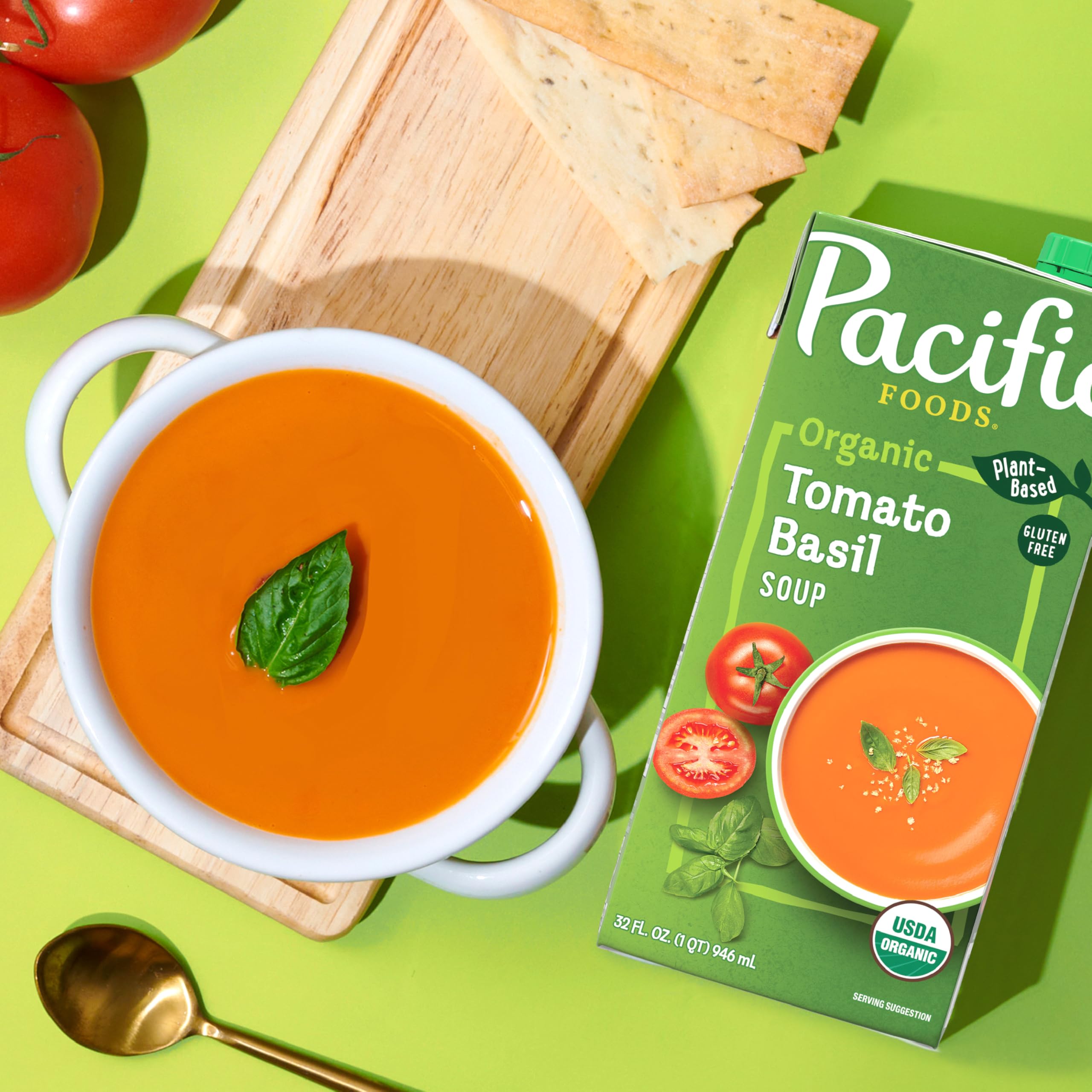
This organic tomato basil soup contains beneficial ingredients like tomato puree, soymilk powder, and spices, which contribute to its nutritional value. However, the presence of cane sugar and the use of high oleic sunflower oil, despite being organic, introduce refined elements that slightly detract from its health profile. The product is moderately processed, which limits its score despite the overall clean ingredient list.
Key ingredients 12
Tomato pureeGood
Tomato puree is a concentrated source of tomatoes, providing vitamins and antioxidants. The organic quality ensures minimal pesticide exposure. It is rich in lycopene, which may support heart health.
Benefits
Rich in vitamins A and C, and lycopene, which may reduce the risk of chronic diseases.
Soymilk powderGood
Soymilk powder provides plant-based protein and is a source of isoflavones. Organic certification ensures non-GMO and reduced pesticide exposure. It is a suitable alternative for lactose-intolerant individuals.
Risks
May cause allergic reactions in individuals sensitive to soy.
Benefits
Contains plant-based protein and isoflavones that may support heart health.
Sea saltGood
Sea salt is a natural source of sodium and trace minerals. It is less processed than table salt, retaining more minerals. It enhances flavor without the additives found in refined salts.
Risks
Excessive sodium intake can lead to hypertension and cardiovascular issues.
Benefits
Provides essential sodium and trace minerals beneficial for electrolyte balance.
Onion pureeGood
Onion puree adds flavor and nutrients, including vitamins and antioxidants. The organic quality ensures minimal pesticide exposure. It may have anti-inflammatory properties.
Benefits
Rich in antioxidants and may support immune health.
SpicesGood
Spices add flavor and may provide health benefits due to their antioxidant properties. Organic certification ensures minimal pesticide exposure. They can enhance the nutritional profile of the soup.
Benefits
May provide antioxidants and enhance flavor without added calories.
Garlic pureeGood
Garlic puree is rich in allicin, which may have antimicrobial and cardiovascular benefits. The organic quality ensures minimal pesticide exposure. It adds flavor and potential health benefits.
Benefits
May support heart health and immune function due to its bioactive compounds.
Basil oilGood
Basil oil provides flavor and may have antioxidant properties. Organic certification ensures minimal pesticide exposure. It enhances the aromatic profile of the soup.
Benefits
May provide antioxidants and enhance flavor.
WaterNeutral
Water is a neutral ingredient used as a base in many food products. It does not contribute any significant nutritional value. It serves as a solvent for other ingredients.
See more about Water →Rice starchNeutral
Rice starch is used as a thickening agent and is generally considered neutral. It is derived from rice and is gluten-free. It provides texture without significant nutritional impact.
See more about Rice starch →Sodium citrateNeutral
Sodium citrate is used as an acidity regulator and emulsifier. It is generally recognized as safe in food applications. It helps maintain the stability and texture of the product.
See more about Sodium citrate →Cane sugarBad
Cane sugar is a refined sugar that can contribute to increased blood sugar levels. Organic certification reduces pesticide concerns but does not mitigate sugar's health impacts. Excessive consumption can lead to metabolic issues.
Risks
High intake can lead to obesity, diabetes, and other metabolic disorders.
Benefits
Provides quick energy but lacks essential nutrients.
High oleic sunflower oilVery Bad
Heavily flagged ingredient class under Scout's doctrine.
Benefits
Provides monounsaturated fats that are more stable and heart-healthy compared to regular sunflower oil.
Processing
Processed Foods
Get the full breakdown in the Scout appTake Scout shopping
Scan any product to see lab results, healthy alternatives, and your personalized analysis.
Download on theApp Store GET IT ONGoogle Play