


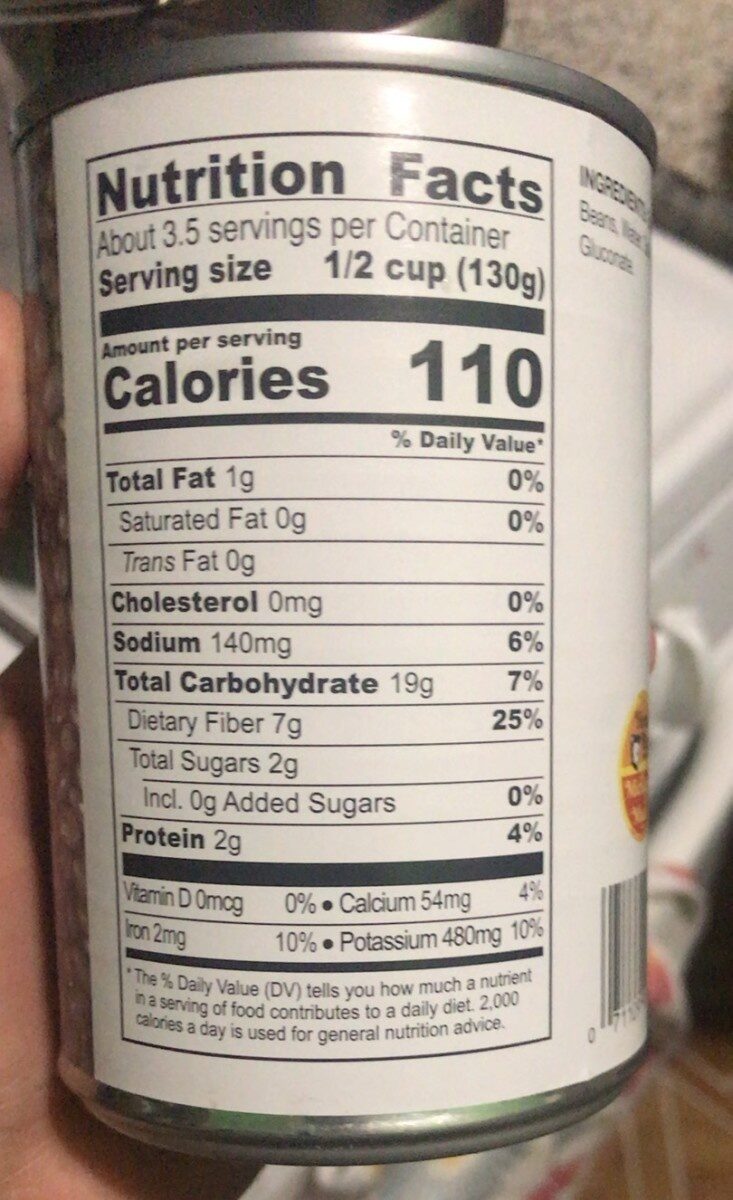

Sprague Campfire Baked Beans Ready to Eat 398ml/13.5 oz. Can
Analysis updated September 2026 · How Scout scores
At a glance
Summary
This product contains white beans, which are a good source of plant-based protein and fiber, contributing positively to its nutritional profile. However, the presence of refined cane sugar adds unnecessary calories without nutritional benefits. The product is moderately processed, which limits its score, but it avoids major harmful additives and seed oils, maintaining a relatively clean ingredient list.
Key ingredients 12
White beansGood
White beans are a good source of plant-based protein and fiber, which support digestive health. They are minimally processed and retain most of their natural nutrients. Compared to refined grains, they offer a more complex nutrient profile.
Benefits
Rich in fiber and protein, which can aid in digestion and provide a feeling of fullness.
Sea saltGood
Sea salt is a natural source of sodium and trace minerals, which are essential for various bodily functions. It is less processed than regular table salt, retaining more of its natural mineral content. Its use in moderation can enhance flavor without excessive sodium intake.
Risks
Excessive consumption of sodium can lead to high blood pressure and other cardiovascular issues.
Benefits
Provides essential minerals and can enhance the flavor of foods without the need for excessive additives.
GarlicGood
Whole food with well-documented cardiovascular and immune benefits.
Risks
May cause digestive discomfort or allergic reactions in sensitive individuals.
Benefits
Contains compounds that may have antimicrobial and heart health benefits.
SpicesGood
Whole-food seasonings, antioxidant-bearing.
Benefits
May provide antioxidants and enhance the flavor profile of foods.
MolassesNeutral
Molasses is a byproduct of sugar refining that retains some vitamins and minerals. It is less processed than refined sugar and contains small amounts of iron and calcium. However, it is still a sugar and should be consumed in moderation.
Risks
Excessive consumption can contribute to high sugar intake and related health issues.
Benefits
Contains trace amounts of minerals like iron and calcium, which are beneficial in small quantities.
Tomato pasteNeutral
Tomato paste is a concentrated form of tomatoes, providing a rich source of lycopene, an antioxidant. It is minimally processed and retains most of the nutrients found in fresh tomatoes. However, it can be high in natural sugars and should be consumed in moderation.
Benefits
Rich in lycopene, which may have antioxidant properties and support heart health.
Corn starchNeutral
Corn starch is a refined carbohydrate used as a thickening agent in foods. It is highly processed and provides little nutritional value beyond calories. Compared to whole grains, it lacks fiber and essential nutrients.
Risks
Excessive consumption can contribute to high calorie intake without nutritional benefits.
Benefits
Useful as a thickening agent in cooking, providing texture to foods.
Onion powderNeutral
Onion powder is a dehydrated form of onions, retaining some of the flavor and nutrients of fresh onions. It is minimally processed and can enhance the flavor profile of dishes. However, it lacks the water content and some nutrients found in fresh onions.
Benefits
Adds flavor to dishes and contains some of the beneficial compounds found in fresh onions.
Canadian whiskyNeutral
Canadian whisky is used in small amounts for flavoring, contributing to the overall taste profile of the product. It is an alcoholic beverage and should be consumed in moderation. Its use in cooking typically results in the evaporation of most alcohol content.
Risks
Excessive alcohol consumption can lead to health issues, but minimal amounts used in cooking pose little risk.
Benefits
Enhances flavor in culinary applications, with most alcohol content evaporating during cooking.
VinegarNeutral
Vinegar is an acidic liquid used to enhance flavor and preserve foods. It is minimally processed and can aid in digestion and blood sugar control. However, its acidic nature can be harsh on tooth enamel if consumed in excess.
Risks
Excessive consumption can erode tooth enamel and cause digestive discomfort.
Benefits
May aid in digestion and help control blood sugar levels.
Mustard powderNeutral
Mustard powder is a spice that adds flavor and potential health benefits, such as anti-inflammatory properties. It is minimally processed and retains most of the nutrients found in mustard seeds. However, it can cause allergic reactions in some individuals.
Risks
May cause allergic reactions in individuals sensitive to mustard.
Benefits
Contains compounds that may have anti-inflammatory and digestive benefits.
Cane sugarBad
Cane sugar is a refined sugar that can contribute to increased calorie intake without providing essential nutrients. It is processed to remove impurities, resulting in a high glycemic index. Compared to natural sweeteners, it offers no additional health benefits.
Risks
High consumption of refined sugars can lead to obesity, diabetes, and other metabolic disorders.
Benefits
Provides quick energy, but lacks significant nutritional benefits.
Processing
Processed Foods
Get the full breakdown in the Scout appTake Scout shopping
Scan any product to see lab results, healthy alternatives, and your personalized analysis.
Download on theApp Store GET IT ONGoogle Play