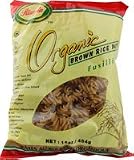
Fusilli

At a glance
Summary
This fusilli pasta is made from a blend of rice, corn, and quinoa flours, which are generally nutritious and provide a good source of fiber and protein. However, the inclusion of monoglycerides, an emulsifier, indicates a level of processing that detracts from its overall healthfulness. While the product is minimally processed, the presence of this additive prevents it from achieving a higher score.
Key ingredients 5
Brown rice flourGood
Brown rice flour is a whole grain flour that retains more nutrients and fiber than white rice flour. It is a good source of magnesium, phosphorus, and B vitamins. Its higher fiber content can aid in digestion and provide a more sustained energy release.
Benefits
Rich in fiber and essential nutrients, supporting digestive health and providing a more balanced energy source.
Quinoa flourGood
Quinoa flour is a high-protein, gluten-free flour rich in essential amino acids. It provides a good source of fiber, vitamins, and minerals. Its nutrient density makes it a valuable addition to gluten-free diets.
Benefits
High in protein and essential nutrients, supporting muscle health and providing a balanced nutritional profile.
White rice flourNeutral
White rice flour is a refined carbohydrate source with minimal nutritional value. It is gluten-free and commonly used in gluten-free products. However, it lacks fiber and essential nutrients compared to whole grain alternatives.
Risks
May contribute to blood sugar spikes due to its high glycemic index.
Benefits
Provides a gluten-free option for those with celiac disease or gluten sensitivity.
Corn flourNeutral
Corn flour is a gluten-free flour that provides carbohydrates and some essential nutrients. It is often used in gluten-free baking and cooking. However, it is less nutrient-dense compared to whole grain flours.
Risks
May cause allergic reactions in individuals sensitive to corn.
Benefits
Offers a gluten-free alternative for baking and cooking, suitable for those with gluten intolerance.
MonoglyceridesBad
Monoglycerides are emulsifiers used to improve texture and shelf life in processed foods. They are derived from fats and can be highly processed. Their consumption in large amounts may contribute to health concerns related to processed food intake.
Risks
May contribute to the intake of processed additives, which can have negative health impacts when consumed excessively.
Processing
Unprocessed or Minimally Processed Foods
Get the full breakdown in the Scout appTake Scout shopping
Scan any product to see lab results, healthy alternatives, and your personalized analysis.
Are you Catelli? Fix an error Get the badge Get tested