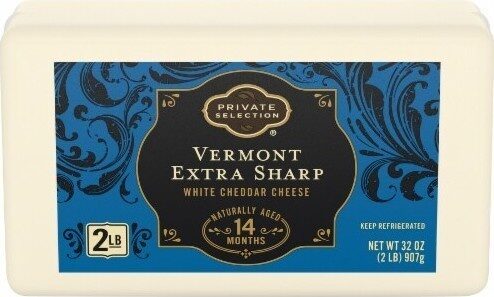
Cheddar Cheese

At a glance
Summary
This cheddar cheese is made from milk, cream, and bacterial cultures, which are beneficial for providing essential nutrients and contributing to flavor development. However, the presence of modified milk ingredients and calcium chloride indicates a higher level of processing, which limits its score. Despite having a relatively clean ingredient list, the product is classified as ultra-processed, which restricts its maximum potential score.
Key ingredients 7
MilkGood
Milk is a primary ingredient in cheese, providing essential nutrients like calcium and protein. It is a natural source of vitamins and minerals, contributing to bone health. The quality of milk can vary based on factors like pasture-raised or organic status.
Risks
Potential risks include lactose intolerance or milk allergies in some individuals.
Benefits
Rich in calcium and protein, supporting bone health and muscle maintenance.
CreamGood
Traditional whole-fat dairy ingredient.
Risks
High in saturated fats, which may impact heart health if consumed in excess.
Benefits
Adds richness and flavor, contributing to the creamy texture of cheese.
Bacterial cultureGood
Bacterial cultures are essential for cheese fermentation, contributing to flavor and texture development. They help in breaking down lactose and developing the cheese's unique characteristics. The use of specific cultures can enhance the nutritional profile by promoting gut health.
Benefits
Promotes fermentation, enhancing flavor and potentially supporting gut health.
Modified milk ingredientsNeutral
Modified milk ingredients are used to alter the texture and consistency of cheese. They are processed derivatives of milk, such as milk solids or powders. While they maintain some nutritional value, they are more processed than whole milk.
Benefits
Provides similar nutrients to milk, though in a more processed form.
SaltNeutral
Salt is used in cheese for flavor and as a preservative. It is a common ingredient in cheese-making, helping to control moisture and bacterial growth. While necessary, excessive salt intake can lead to health issues.
Risks
Excessive consumption can contribute to high blood pressure and cardiovascular issues.
Benefits
Enhances flavor and acts as a preservative in cheese.
Calcium chlorideNeutral
Calcium chloride is used in cheese-making to improve curd formation and firmness. It is a mineral salt that helps maintain the structural integrity of the cheese. While it is generally safe, it is an additive rather than a natural component of milk.
Benefits
Improves curd formation and firmness in cheese-making.
Microbial enzymeNeutral
Microbial enzymes are used as a substitute for animal rennet in cheese-making. They help coagulate milk, forming curds and whey. This ingredient is suitable for vegetarians and is a common alternative in cheese production.
Benefits
Suitable for vegetarians and aids in the cheese-making process.
Processing
Ultra-Processed Foods
Get the full breakdown in the Scout appTake Scout shopping
Scan any product to see lab results, healthy alternatives, and your personalized analysis.
Are you Black Diamond? Fix an error Get the badge Get tested