
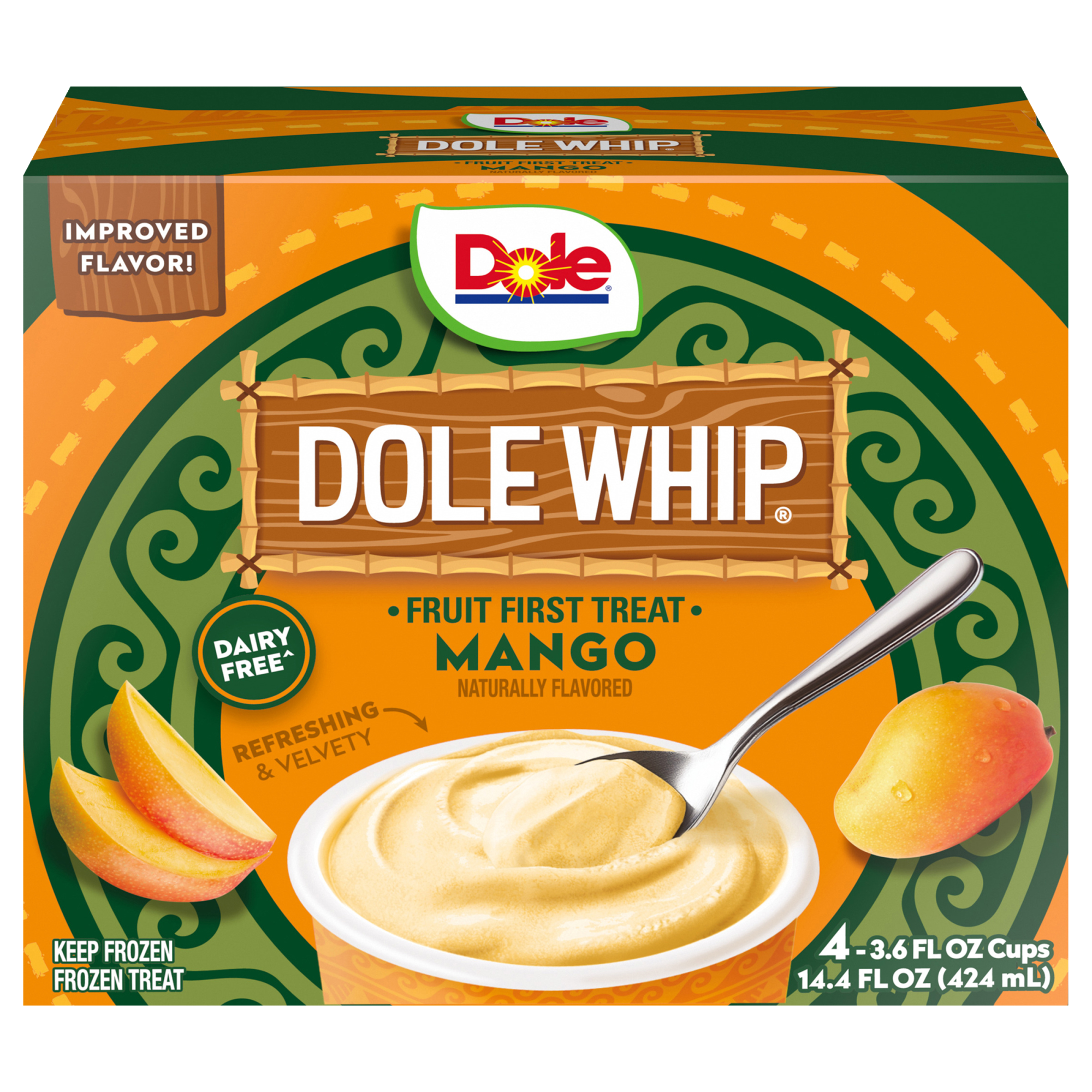


Dole Whip Mango
Analysis updated July 2026 · How Scout scores
At a glance
Summary
Dole Whip Mango is a processed food with a mix of natural and processed ingredients. While it contains beneficial components like mango puree and inulin, it also includes refined sugar and high oleic sunflower oil, which are less desirable due to their potential health impacts. The presence of these processed ingredients and the overall level of processing limit its healthiness compared to whole, unprocessed foods.
Key ingredients 10
Mango PureeGood
Mango puree is a natural source of vitamins and antioxidants. It provides dietary fiber and essential nutrients like vitamin C. The puree form retains most of the fruit's natural benefits.
Benefits
Rich in vitamins A and C, which support immune function and skin health. Contains antioxidants that may help reduce inflammation.
InulinGood
Inulin is a prebiotic fiber that supports gut health. It is derived from chicory root and helps promote beneficial gut bacteria. Its inclusion can improve digestive health and enhance nutrient absorption.
Risks
Excessive intake may cause digestive discomfort in some individuals.
Benefits
Supports digestive health by promoting the growth of beneficial gut bacteria.
Coconut OilGood
Coconut oil is a source of medium-chain triglycerides (MCTs) which are easily metabolized for energy. It has a unique fatty acid profile that may support heart health. Its use in moderation can provide beneficial fats.
Risks
High in saturated fats, which should be consumed in moderation.
Benefits
Contains MCTs that can provide quick energy and support metabolic health.
WaterNeutral
Water is used as a solvent and to adjust the consistency of the product. It is a neutral ingredient with no direct nutritional impact. It helps in hydrating and maintaining the desired texture.
Benefits
Essential for hydration and maintaining bodily functions.
Citric AcidNeutral
Citric acid is a natural preservative and flavor enhancer. It is commonly used to add acidity and preserve freshness in foods. It is generally recognized as safe when used in moderation.
Risks
Excessive consumption may cause tooth enamel erosion.
Benefits
Helps preserve the product and enhance flavor.
Xanthan GumNeutral
Xanthan gum is a thickening agent used to stabilize and thicken products. It is produced through fermentation and is generally considered safe. It helps maintain the desired texture of the product.
Risks
May cause digestive discomfort in large amounts.
Benefits
Helps stabilize and thicken the product, improving texture.
Tapioca SyrupBad
Processed additive flagged under Scout's ingredient doctrine.
Risks
Excessive consumption may contribute to increased blood sugar levels.
Benefits
Provides a source of carbohydrates for energy.
SugarBad
Refined sugar is a common sweetener that can contribute to excessive calorie intake. It lacks nutritional benefits and can lead to health issues like obesity and diabetes. Its presence in processed foods is often linked to increased health risks.
Risks
High consumption can lead to weight gain, insulin resistance, and dental cavities.
Benefits
Provides quick energy but should be consumed in moderation.
Sunflower LecithinBad
Sunflower lecithin is an emulsifier used to improve texture and consistency. It is a processed ingredient derived from sunflower seeds. While it is less harmful than seed oils, it still lacks nutritional benefits.
Risks
May cause digestive issues in sensitive individuals.
Benefits
Improves texture and consistency of the product.
High Oleic Sunflower OilVery Bad
High oleic sunflower oil is a processed seed oil high in omega-6 fatty acids. Its extraction involves high heat and chemical solvents, which can degrade nutritional quality. Excessive omega-6 intake may promote inflammation.
Risks
High omega-6 content may promote inflammation when consumed in excess.
Processing
Processed Foods
Get the full breakdown in the Scout appTake Scout shopping
Scan any product to see lab results, healthy alternatives, and your personalized analysis.
Download on theApp Store GET IT ONGoogle PlayAmazon pricing & content
Amazon price as of . Product prices and availability are accurate as of the date/time indicated and are subject to change. Any price and availability information displayed on Amazon.com at the time of purchase will apply to the purchase of this product.
CERTAIN CONTENT THAT APPEARS ON THIS SITE COMES FROM AMAZON. THIS CONTENT IS PROVIDED “AS IS” AND IS SUBJECT TO CHANGE OR REMOVAL AT ANY TIME.