









At a glance
Summary
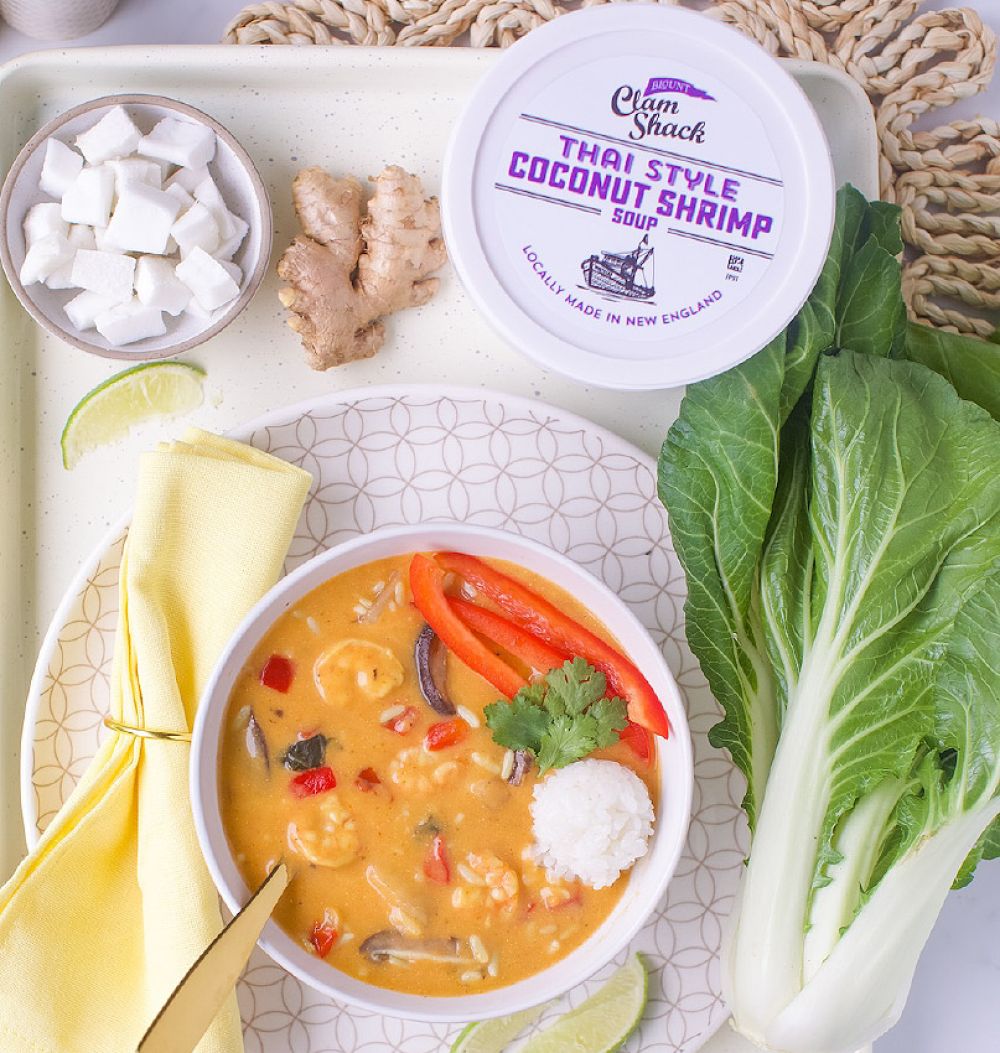
This coconut shrimp product contains beneficial ingredients like shrimp, coconut flakes, and egg whites, which provide quality protein and healthy fats. However, the presence of highly refined soybean oil, a seed oil known for promoting inflammation, and non-hydrogenated vegetable oil shortening, which is high in saturated fats, significantly impacts its healthiness. The product is processed, which further limits its score due to the inclusion of industrial ingredients.
Key ingredients 9
Egg whitesVery Good
Egg whites are a high-quality source of protein with no fat or cholesterol. They are rich in essential amino acids necessary for muscle repair and growth. Compared to whole eggs, they are lower in calories and fat.
Benefits
Excellent source of protein with essential amino acids, supporting muscle health and repair.
ShrimpGood
Shrimp is a high-quality source of protein and essential nutrients like selenium and vitamin B12. It is low in calories and provides omega-3 fatty acids, which are beneficial for heart health. Compared to other seafood, shrimp is relatively low in mercury.
Risks
Potential allergen for some individuals and may contain traces of contaminants if not sourced sustainably.
Benefits
Rich in protein and omega-3 fatty acids, supporting muscle health and cardiovascular function.
Coconut flakesGood
Coconut flakes provide healthy fats, particularly medium-chain triglycerides (MCTs), which are easily metabolized for energy. They also contain dietary fiber, which aids in digestion. Coconut is a natural ingredient with minimal processing.
Risks
High in saturated fats, which may be a concern for individuals with specific dietary restrictions.
Benefits
Provides MCTs that can boost energy and support metabolic health. Contains dietary fiber that aids digestion.
Rice flourNeutral
Rice flour is a gluten-free alternative to wheat flour, commonly used in baking and cooking. It is a source of carbohydrates but lacks significant protein or fiber. It is minimally processed compared to refined flours.
Risks
May contribute to high glycemic load if consumed in large quantities.
Benefits
Provides a gluten-free option for those with celiac disease or gluten sensitivity.
Potato starchNeutral
Potato starch is used as a thickening agent and is gluten-free. It is a refined carbohydrate with minimal nutritional value beyond energy. It is typically used in small amounts in recipes.
Risks
May contribute to high glycemic index if consumed in large quantities.
Benefits
Provides a gluten-free thickening option for various recipes.
SaltNeutral
Salt is used to enhance flavor and preserve food. It is a source of sodium, which is essential for fluid balance and nerve function. Excessive consumption can lead to high blood pressure and cardiovascular issues.
Risks
Excessive intake may lead to hypertension and cardiovascular diseases.
Benefits
Essential for maintaining fluid balance and nerve function in the body.
YeastNeutral
Yeast is used as a leavening agent in baking, helping dough to rise. It is a natural ingredient that contributes to the texture and flavor of baked goods. It is minimally processed and generally considered safe.
Benefits
Contributes to the leavening and flavor of baked goods.
Non-hydrogenated vegetable oil shorteningBad
Non-hydrogenated vegetable oil shortening, often made from palm oil, is used as a fat source in baking. While it avoids trans fats, it is high in saturated fats, which can impact heart health negatively. Compared to hydrogenated oils, it is a better option but still not ideal for frequent consumption.
Risks
High in saturated fats, which may increase the risk of heart disease if consumed excessively.
Benefits
Avoids trans fats, making it a slightly better option than hydrogenated shortenings.
Highly refined soybean oilVery Bad
Soybean oil is a seed oil high in omega-6 fatty acids, which can promote inflammation when consumed in excess. It is highly processed, often involving chemical solvents and high heat, which can degrade nutritional quality. Compared to other oils, it lacks beneficial compounds like antioxidants.
Risks
High omega-6 content may promote inflammation and imbalance omega-3 to omega-6 ratio.
Processing
Processed Foods
Get the full breakdown in the Scout appTake Scout shopping
Scan any product to see lab results, healthy alternatives, and your personalized analysis.
Download on theApp Store GET IT ONGoogle Play