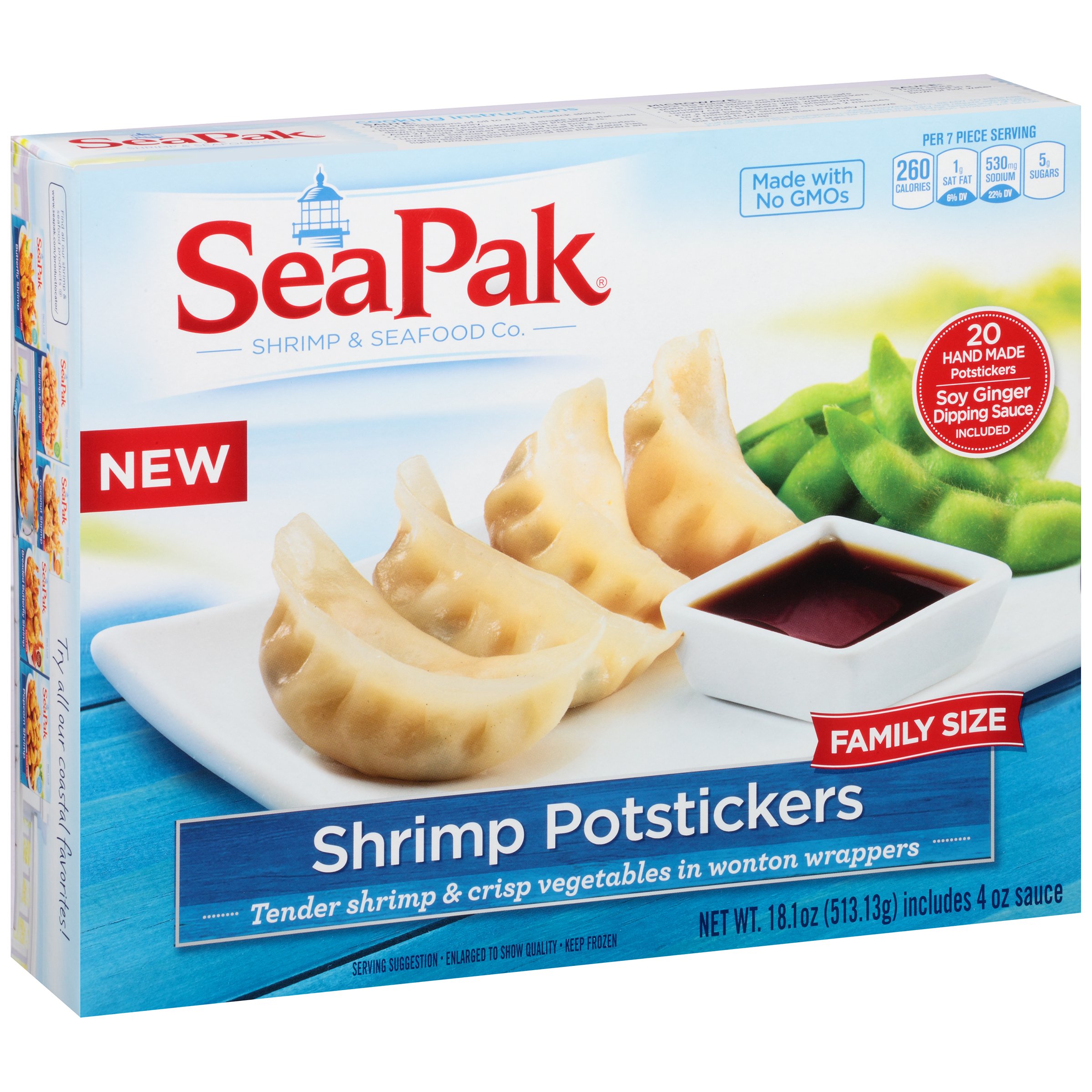
Shrimp potstickers
At a glance
Summary
The shrimp potstickers contain several beneficial ingredients such as shrimp, pollock, and vegetables, which provide essential nutrients and support heart health. However, the presence of soybean oil, a seed oil known for promoting inflammation, and the use of natural flavors and sugar, which are processed additives, lower the overall health score. The product's processing level also limits its potential score, despite the inclusion of some nutritious components.
Key ingredients 20
ShrimpGood
Shrimp is a high-quality source of protein and essential nutrients like selenium and vitamin B12. It is low in calories and fat, making it a healthy protein choice. Shrimp also contains omega-3 fatty acids, which support heart health.
Risks
Potential allergen for some individuals and may contain trace amounts of contaminants like mercury.
Benefits
Rich in protein and essential nutrients, supporting muscle growth and overall health.
PollockGood
Pollock is a lean fish that provides a good source of protein and omega-3 fatty acids. It is commonly used in seafood products and is low in fat. Pollock supports heart health and provides essential nutrients.
Risks
Potential allergen for some individuals.
Benefits
Provides high-quality protein and omega-3 fatty acids, beneficial for heart health.
SquidGood
Squid is a low-calorie seafood rich in protein and essential minerals like copper and selenium. It is a good source of omega-3 fatty acids, which are beneficial for cardiovascular health. Squid also contains antioxidants that may reduce inflammation.
Risks
Potential allergen for some individuals.
Benefits
Rich in protein and omega-3 fatty acids, supporting heart health and reducing inflammation.
Water ChestnutGood
Water chestnuts are low in calories and provide a good source of fiber and antioxidants. They are often used in Asian cuisine for their crunchy texture. Water chestnuts support digestive health and may help reduce inflammation.
Benefits
Provides fiber and antioxidants, supporting digestive health and reducing inflammation.
Bamboo ShootGood
Bamboo shoots are low in calories and high in fiber, making them a healthy addition to meals. They contain vitamins and minerals such as potassium and vitamin B6. Bamboo shoots support digestive health and provide essential nutrients.
Benefits
High in fiber and essential nutrients, supporting digestive health and overall nutrition.
CarrotGood
Carrots are rich in beta-carotene, fiber, and antioxidants, promoting eye health and reducing the risk of chronic diseases. They are a low-calorie vegetable that adds nutritional value to meals. Carrots also support immune function and skin health.
Benefits
Rich in beta-carotene and antioxidants, supporting eye health and immune function.
OnionGood
Onions are a flavorful vegetable rich in antioxidants and sulfur compounds that may reduce inflammation and support heart health. They are low in calories and provide vitamins and minerals. Onions also have antibacterial properties and support immune health.
Benefits
Rich in antioxidants and sulfur compounds, supporting heart health and reducing inflammation.
Sesame OilGood
Sesame oil is a flavorful oil rich in antioxidants and healthy fats, supporting heart health and reducing inflammation. It is often used in Asian cuisine for its nutty flavor. Sesame oil also contains lignans, which have potential health benefits.
Risks
Potential allergen for some individuals.
Benefits
Rich in antioxidants and healthy fats, supporting heart health and reducing inflammation.
CilantroGood
Cilantro is an herb rich in antioxidants and vitamins, supporting detoxification and reducing inflammation. It is commonly used to add flavor and nutritional value to dishes. Cilantro also has antibacterial properties and may support digestive health.
Benefits
Rich in antioxidants and vitamins, supporting detoxification and reducing inflammation.
GarlicGood
Garlic is a flavorful herb known for its antioxidant and anti-inflammatory properties. It supports heart health and immune function. Garlic also contains allicin, which has antibacterial and antiviral effects.
Benefits
Supports heart health and immune function with its antioxidant and anti-inflammatory properties.
White PepperGood
Beneficial ingredient — whole-food or functional value in this product class.
Benefits
May enhance nutrient absorption due to piperine content.
Modified Tapioca StarchNeutral
Modified tapioca starch is used as a thickening agent and stabilizer in processed foods. It is derived from cassava root and undergoes chemical modification to improve its functional properties. While it is generally considered safe, it provides no significant nutritional benefits.
See more about Modified Tapioca Starch →Rice FlourNeutral
Rice flour is a gluten-free alternative to wheat flour, often used in baking and as a thickener. It is made from finely milled rice and is generally well-tolerated. While it is a good option for gluten-free diets, it lacks significant nutritional benefits.
Benefits
Suitable for gluten-free diets and provides carbohydrates for energy.
SaltNeutral
Salt is a common seasoning that enhances flavor and is essential for maintaining fluid balance in the body. It is composed of sodium and chloride, which are necessary for various bodily functions. However, excessive intake can lead to high blood pressure.
Risks
Excessive consumption can contribute to high blood pressure and cardiovascular issues.
Benefits
Essential for maintaining fluid balance and nerve function.
Corn StarchNeutral
Corn starch is a refined carbohydrate used as a thickening agent in many foods. It is derived from corn and provides no significant nutritional benefits. While it is generally safe, it is a highly processed ingredient.
See more about Corn Starch →Nisin And PolylysineNeutral
Nisin and polylysine are preservatives used to inhibit microbial growth and extend shelf life. They are considered safe for consumption and are commonly used in food preservation. While they help maintain product safety, they provide no nutritional benefits.
Benefits
Help maintain product safety by inhibiting microbial growth.
Wheat FlourBad
Refined grain flour stripped of bran and germ.
Risks
May cause adverse reactions in individuals with gluten intolerance or celiac disease.
Benefits
Provides carbohydrates and some protein, contributing to energy intake.
SugarBad
Sugar is a refined carbohydrate that provides quick energy but lacks essential nutrients. Excessive consumption can lead to weight gain and increased risk of chronic diseases. It is often used to enhance flavor but should be consumed in moderation.
Risks
Excessive intake can lead to weight gain, insulin resistance, and increased risk of chronic diseases.
Benefits
Provides quick energy but lacks significant nutritional benefits.
Natural FlavorsBad
Natural flavors are additives used to enhance taste, but their exact composition is often undisclosed. They can contain a variety of chemicals and are highly processed. While generally recognized as safe, they lack transparency and nutritional benefits.
Risks
Lack of transparency in composition and potential for containing various chemicals.
Soybean OilVery Bad
Soybean oil is a seed oil high in omega-6 fatty acids, which can promote inflammation when consumed in excess. It is often used in processed foods due to its low cost and neutral flavor. The extraction process involves high heat and chemicals, which may degrade its nutritional quality.
Risks
High omega-6 content may promote inflammation and contribute to chronic diseases when consumed in excess.
Processing
Processed Foods
Get the full breakdown in the Scout appTake Scout shopping
Scan any product to see lab results, healthy alternatives, and your personalized analysis.