


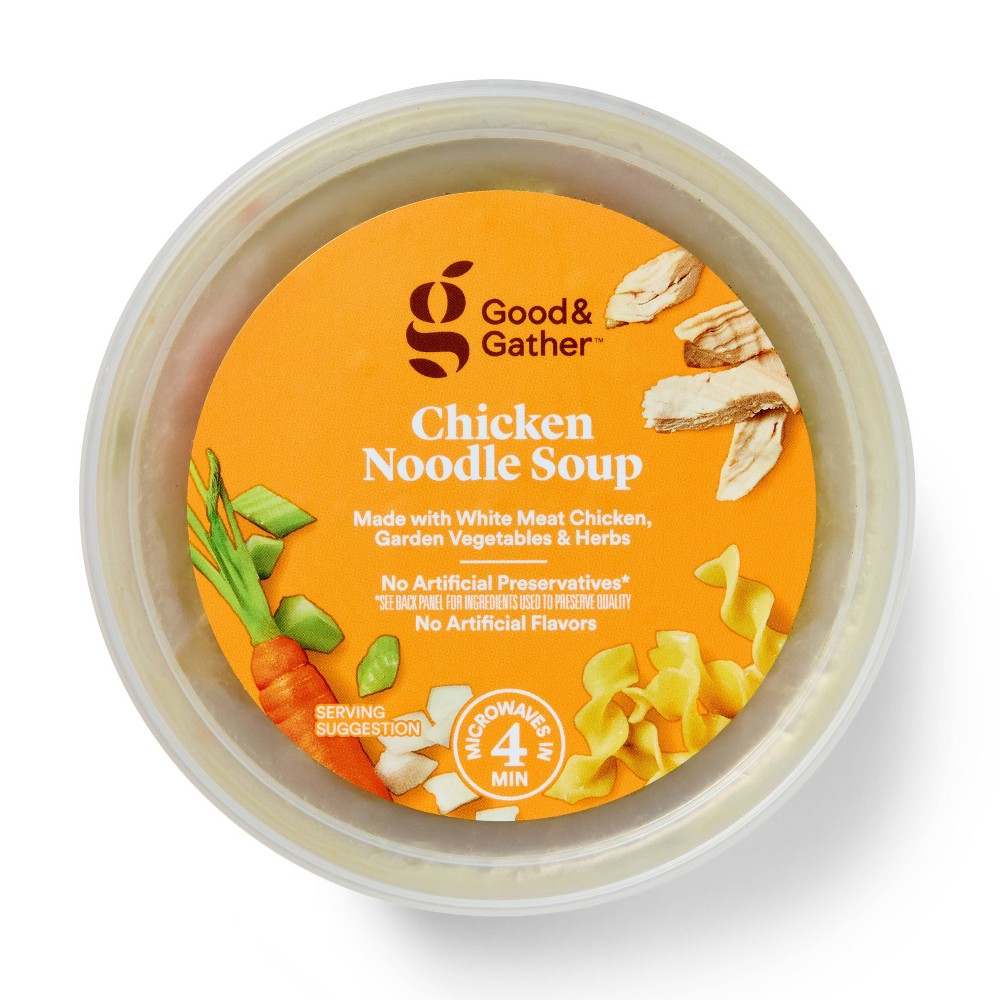






Chicken Tortilla Soup
Kirkland SignatureAnalysis updated June 2026 · How Scout scores
Near you
Kirkland Signature is carried at Costco stores. Find one within 25 miles.
At a glance
Summary
This chicken tortilla soup contains several beneficial ingredients such as white chicken meat, tomatoes, and a variety of peppers, which provide essential nutrients and antioxidants. However, the presence of corn oil, a highly processed seed oil, detracts from its overall healthiness due to its inflammatory properties. Additionally, the soup's processing level limits its potential score, despite the inclusion of mostly whole food ingredients.
Key ingredients 20
White chicken meatVery Good
White chicken meat is a high-quality source of lean protein. It provides essential amino acids necessary for muscle repair and growth. Compared to red meat, it is lower in saturated fat, making it a heart-healthy choice.
Benefits
Excellent source of lean protein that supports muscle health and satiety. Low in saturated fat, contributing to heart health.
TomatoesVery Good
Tomatoes are rich in vitamins C and K, potassium, and the antioxidant lycopene. Lycopene has been linked to reduced risk of heart disease and cancer. Fresh or minimally processed tomatoes retain the most nutrients.
Benefits
High in antioxidants like lycopene, which may reduce the risk of chronic diseases. Provides essential vitamins and minerals.
Chicken stockGood
Chicken stock is a flavorful base that provides essential nutrients like collagen and amino acids. It is typically made by simmering chicken bones and vegetables, which can enhance the nutritional profile. Homemade or low-sodium versions are preferable for reducing sodium intake.
Risks
High sodium content in some commercial stocks can contribute to hypertension if consumed in excess.
Benefits
Rich in collagen and amino acids that support joint health and digestion. Provides a savory flavor base for soups and stews.
OnionsGood
Onions are a good source of vitamins, minerals, and antioxidants, particularly quercetin. They have anti-inflammatory properties and may support heart health. Cooking onions can enhance their flavor and digestibility.
Benefits
Contains antioxidants that may reduce inflammation and support heart health. Adds flavor and nutritional value to dishes.
CornGood
Beneficial ingredient — whole-food or functional value in this product class.
Risks
Potential allergen for some individuals and often genetically modified.
Benefits
Provides carbohydrates for energy and contains some fiber and essential nutrients.
Green bell peppersGood
Green bell peppers are low in calories and high in vitamins A and C. They provide antioxidants that support immune function and skin health. Fresh peppers retain the most nutrients and flavor.
Benefits
Rich in vitamins and antioxidants that support immune health and reduce inflammation.
Red bell peppersGood
Red bell peppers are an excellent source of vitamins A and C, and antioxidants like beta-carotene. They support eye health and immune function. Red peppers are sweeter and more nutrient-dense than green peppers.
Benefits
High in antioxidants and vitamins that support overall health and reduce oxidative stress.
Tomato pasteGood
Tomato paste is a concentrated source of tomatoes, providing a rich flavor and nutrients like lycopene. It is often used to enhance the taste and nutritional profile of dishes. Minimal processing retains most of the beneficial compounds.
Benefits
Concentrated source of lycopene and other nutrients that support heart health.
Roasted poblano peppersGood
Roasted poblano peppers add a smoky flavor and are rich in vitamins A and C. Roasting enhances their flavor and can increase antioxidant availability. They are a flavorful addition to many dishes.
Benefits
Rich in vitamins and antioxidants that support immune health and add flavor.
Roasted pasilla peppersGood
Roasted pasilla peppers provide a mild heat and are rich in vitamins and antioxidants. Roasting enhances their flavor and nutrient availability. They contribute to the depth of flavor in dishes.
Benefits
Provides vitamins and antioxidants that support health and enhance flavor.
Roasted red bell peppersGood
Roasted red bell peppers are high in vitamins A and C and antioxidants. Roasting enhances their sweetness and nutrient availability. They add a rich flavor and color to dishes.
Benefits
High in antioxidants and vitamins that support health and add flavor.
Roasted green bell peppersGood
Roasted green bell peppers are low in calories and high in vitamins A and C. Roasting enhances their flavor and nutrient availability. They add a smoky flavor to dishes.
Benefits
Rich in vitamins and antioxidants that support health and add flavor.
Roasted jalapeño peppersGood
Roasted jalapeño peppers add heat and are rich in vitamins and antioxidants. Roasting enhances their flavor and nutrient availability. They contribute to the spiciness and depth of flavor in dishes.
Benefits
Provides vitamins and antioxidants that support health and add spiciness.
GarlicGood
Garlic is known for its potent antioxidant and anti-inflammatory properties. It contains allicin, which may support heart health and immune function. Fresh garlic provides the most health benefits compared to processed forms.
Benefits
Rich in antioxidants and compounds that support heart health and immune function.
Lime juiceGood
Lime juice is a good source of vitamin C and antioxidants. It adds a refreshing flavor and can enhance the absorption of iron from plant-based foods. Freshly squeezed lime juice is preferable for maximum nutrient retention.
Benefits
High in vitamin C and antioxidants that support immune health and enhance flavor.
CilantroGood
Cilantro is an herb rich in antioxidants and vitamins A and K. It may support detoxification and has anti-inflammatory properties. Fresh cilantro provides the most flavor and nutrients.
Benefits
Rich in antioxidants and vitamins that support health and add flavor.
SpicesGood
Spices add flavor and can provide various health benefits depending on the type. Many spices have antioxidant and anti-inflammatory properties. They enhance the taste and nutritional profile of dishes.
Benefits
Adds flavor and may provide antioxidant and anti-inflammatory benefits.
Tortilla chipsNeutral
Tortilla chips are typically made from corn and provide carbohydrates and some fiber. They are often fried, which can increase calorie and fat content. Opting for baked versions can reduce fat intake.
Risks
High in calories and fat if fried, which may contribute to weight gain if consumed in excess.
Benefits
Provides carbohydrates for energy and can add texture to dishes.
SaltNeutral
Salt is used to enhance flavor but can contribute to high sodium intake. Excessive consumption may lead to hypertension and cardiovascular issues. Moderation is key to balancing flavor and health.
Risks
High sodium intake can lead to hypertension and cardiovascular issues.
Benefits
Enhances flavor and is essential for various bodily functions in moderation.
Corn oilVery Bad
Corn oil is a seed oil high in omega-6 fatty acids, which can promote inflammation when consumed in excess. It is often highly processed, which may reduce its nutritional quality. Alternatives like olive oil are preferable for a healthier fat profile.
Risks
High omega-6 content may promote inflammation when consumed in excess.
Processing
Processed Foods
Get the full breakdown in the Scout appTake Scout shopping
Scan any product to see lab results, healthy alternatives, and your personalized analysis.
Download on theApp Store GET IT ONGoogle Play