


At a glance
Summary
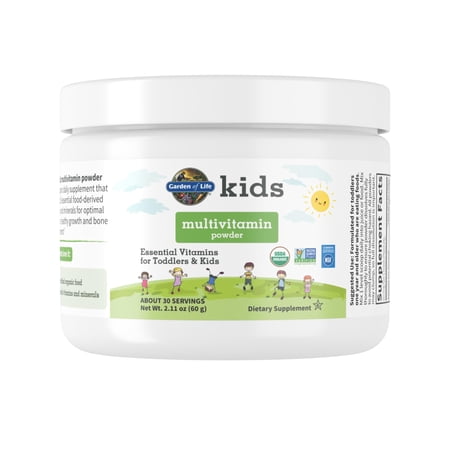
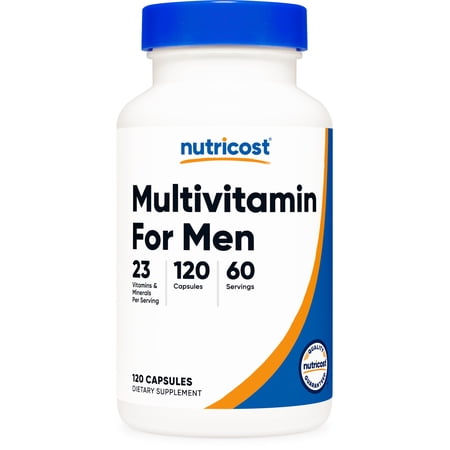
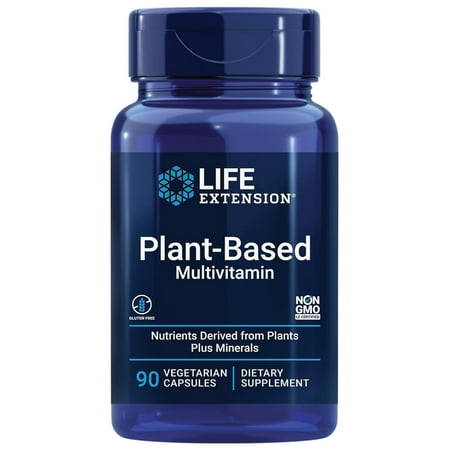
This multivitamin contains beneficial vitamins such as Vitamin C, E, and B-complex, which are essential for various bodily functions. However, the presence of artificial sweeteners like sodium cyclamate and unspecified 'flavors' raises concerns about ingredient transparency and potential health impacts. The formulation includes several additives, which contribute to a moderate level of processing.
Key ingredients 19
Vitamin CVery Good
Vitamin C is an essential nutrient that supports immune function and acts as a powerful antioxidant. It is crucial for collagen synthesis and enhances iron absorption. Regular intake is necessary as it is water-soluble and not stored in the body.
Benefits
Supports immune function, acts as an antioxidant, and enhances iron absorption.
Vitamin EVery Good
Vitamin E is a fat-soluble antioxidant that protects cell membranes from oxidative damage. It supports immune function and skin health. Adequate intake is important for maintaining overall health.
Benefits
Protects cell membranes, supports immune function, and skin health.
CyanocobalaminVery Good
Cyanocobalamin is a form of Vitamin B12, essential for nerve function and red blood cell formation. It supports DNA synthesis and energy production. Regular intake is necessary, especially for vegetarians and vegans.
Benefits
Essential for nerve function and supports red blood cell formation.
Beetroot PowderGood
Beetroot powder is a natural coloring agent and source of dietary nitrates. It may improve blood flow and lower blood pressure. It also contains antioxidants that support overall health.
Benefits
May improve blood flow, lower blood pressure, and contains antioxidants.
NicotinamideGood
Nicotinamide, a form of Vitamin B3, supports energy metabolism and DNA repair. It is essential for maintaining healthy skin and nervous system function. It is water-soluble and needs regular replenishment.
Benefits
Supports energy metabolism, DNA repair, and maintains healthy skin.
Calcium PantothenateGood
Calcium pantothenate is a form of Vitamin B5, crucial for synthesizing coenzyme A and energy production. It supports adrenal function and the synthesis of neurotransmitters. Regular intake is necessary as it is water-soluble.
Benefits
Crucial for energy production and supports adrenal function.
Pyridoxine HydrochlorideGood
Pyridoxine hydrochloride is a form of Vitamin B6, important for amino acid metabolism and neurotransmitter synthesis. It supports immune function and brain health. It is water-soluble and requires regular intake.
Benefits
Important for amino acid metabolism and supports brain health.
RiboflavinGood
Riboflavin, or Vitamin B2, is essential for energy production and cellular function. It acts as an antioxidant and supports skin and eye health. It is water-soluble and must be consumed regularly.
Benefits
Essential for energy production and supports skin health.
Thiamine MononitrateGood
Thiamine mononitrate is a form of Vitamin B1, crucial for carbohydrate metabolism and nerve function. It supports energy production and heart health. It is water-soluble and needs regular replenishment.
Benefits
Crucial for carbohydrate metabolism and supports heart health.
BiotinGood
Biotin, also known as Vitamin B7, supports metabolic processes and is important for healthy hair, skin, and nails. It acts as a coenzyme in the metabolism of fatty acids and amino acids. It is water-soluble and requires regular intake.
Benefits
Supports metabolic processes and is important for healthy hair and skin.
Citric AcidNeutral
Citric acid is commonly used as a preservative and flavor enhancer in food products. It is naturally found in citrus fruits and is generally recognized as safe. However, excessive consumption may lead to dental erosion.
Risks
Excessive consumption may lead to dental erosion.
Sodium BicarbonateNeutral
Sodium bicarbonate is used as a leavening agent and pH regulator in food products. It is generally recognized as safe when used in moderation. Overconsumption can lead to alkalosis and electrolyte imbalance.
Risks
Overconsumption can lead to alkalosis and electrolyte imbalance.
SorbitolNeutral
Sorbitol is a sugar alcohol used as a sweetener and humectant in food products. It is lower in calories than sugar and does not cause a rapid increase in blood glucose levels. Excessive consumption may cause gastrointestinal discomfort.
Risks
Excessive consumption may cause gastrointestinal discomfort.
Benefits
Lower in calories than sugar and does not cause a rapid increase in blood glucose levels.
Corn StarchNeutral
Corn starch is used as a thickening agent in food products. It is a refined carbohydrate with minimal nutritional value. It is generally considered safe but offers no significant health benefits.
See more about Corn Starch →Folic AcidNeutral
Standard formulation ingredient — neither beneficial nor harmful at typical use.
Benefits
Vital for DNA synthesis and prevents neural tube defects.
FlavorsBad
The term 'flavors' is a catch-all for various artificial or natural flavoring agents. These can include a wide range of substances, some of which may not be disclosed. The lack of transparency can be concerning for consumers with allergies or sensitivities.
Risks
The lack of transparency can be concerning for consumers with allergies or sensitivities.
MaltodextrinBad
Processed additive flagged under Scout's ingredient doctrine.
Risks
Can cause a spike in blood sugar levels.
Sodium CyclamateBad
Sodium cyclamate is an artificial sweetener that is banned in some countries due to potential health concerns. It is used to provide sweetness without calories. Long-term safety is still debated.
Risks
Potential health concerns and long-term safety is still debated.
Benefits
Provides sweetness without calories.
Sodium SaccharinBad
Processed additive flagged under Scout's ingredient doctrine.
Risks
May have a bitter aftertaste.
Benefits
Provides sweetness without calories.
Processing
Ultra-Processed Foods
Get the full breakdown in the Scout appTake Scout shopping
Scan any product to see lab results, healthy alternatives, and your personalized analysis.
Download on theApp Store GET IT ONGoogle Play