
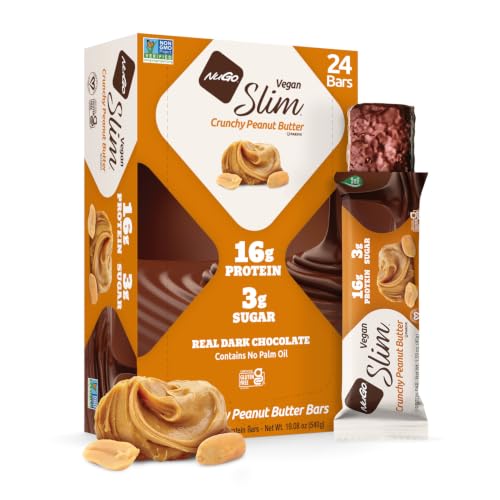
NuGo Crunchy Peanut Butter Protein Bar
Analysis updated April 2026 · How Scout scores
At a glance
Summary
This protein bar contains a mix of beneficial and concerning ingredients. While it offers a good protein content and includes dark chocolate, which has health benefits, it also contains soy protein and natural flavors, which are heavily processed and raise concerns about transparency and potential allergens. The product is highly processed, which limits its health score despite its nutritional benefits.
Key ingredients 18
Dark chocolateGood
Dark chocolate contains antioxidants and may support heart health. It is made from cocoa solids, cocoa butter, and sugar. The presence of flavonoids can provide health benefits when consumed in moderation.
Risks
High in calories and sugar, which can contribute to weight gain if consumed in excess.
Benefits
Rich in antioxidants that may reduce inflammation and improve heart health.
PeanutsGood
Beneficial ingredient — whole-food or functional value in this product class.
Risks
Common allergen that can cause severe allergic reactions.
Benefits
Rich in protein and healthy fats, supporting heart health.
Tapioca starchNeutral
Tapioca starch is a carbohydrate extracted from cassava root. It is used as a thickening agent and is gluten-free. It provides energy but lacks significant nutritional benefits.
Benefits
Provides a gluten-free source of carbohydrates.
Rice proteinNeutral
Rice protein is a plant-based protein derived from rice. It is hypoallergenic and suitable for those with dietary restrictions. However, it lacks some essential amino acids found in animal proteins.
Benefits
Suitable for individuals with allergies to other protein sources.
Chicory rootNeutral
Chicory root is a source of inulin, a type of prebiotic fiber. It can support digestive health by promoting beneficial gut bacteria. However, excessive consumption may cause digestive discomfort.
Risks
May cause bloating or gas in sensitive individuals.
Benefits
Supports digestive health by acting as a prebiotic.
Vegetable glycerineNeutral
Vegetable glycerine is a sugar alcohol used as a sweetener and humectant. It is derived from plant oils and is generally recognized as safe. It provides sweetness without raising blood sugar levels significantly.
Risks
Excessive consumption may lead to digestive issues such as diarrhea.
Benefits
Provides sweetness with a lower glycemic impact compared to sugar.
Peanut flourNeutral
Peanut flour is made by grinding peanuts and removing most of the fat. It is high in protein and fiber but retains the allergenic potential of peanuts. It is used to enhance flavor and protein content in foods.
Risks
Contains allergens that can trigger reactions in sensitive individuals.
Benefits
Provides protein and fiber while enhancing flavor.
AlmondsNeutral
Almonds are a nut rich in healthy fats, protein, and fiber. They provide essential nutrients like vitamin E and magnesium. However, they are calorie-dense and should be consumed in moderation.
Risks
High in calories, which can contribute to weight gain if consumed in excess.
Benefits
Rich in healthy fats and nutrients that support heart health.
Chocolate liquorNeutral
Chocolate liquor is made from ground cocoa beans and contains both cocoa solids and cocoa butter. It is used to impart chocolate flavor and is a source of antioxidants. However, it is high in calories and fat.
Risks
High in calories and fat, which can contribute to weight gain if consumed in excess.
Benefits
Provides antioxidants that may support heart health.
Rice branNeutral
Rice bran is the outer layer of the rice grain, rich in fiber and nutrients. It is used to enhance the nutritional profile of foods. However, it may contain phytic acid, which can inhibit mineral absorption.
Risks
Contains phytic acid, which may inhibit mineral absorption.
Benefits
Rich in fiber and nutrients, supporting digestive health.
Microcrystalline celluloseNeutral
Microcrystalline cellulose is a refined wood pulp used as a bulking agent and stabilizer. It is considered safe and is used to improve texture and consistency in foods. It provides no nutritional value but aids in calorie reduction.
Benefits
Helps improve texture and consistency in food products.
Peanut extractNeutral
Peanut extract is used to enhance peanut flavor in foods. It is derived from peanuts and retains the allergenic potential. It provides flavor without adding significant nutritional value.
Risks
Contains allergens that can trigger reactions in sensitive individuals.
Benefits
Enhances peanut flavor in food products.
SaltNeutral
Salt is used to enhance flavor and preserve food. It is essential for various bodily functions but should be consumed in moderation. Excessive intake can lead to health issues such as hypertension.
Risks
Excessive consumption can lead to hypertension and cardiovascular issues.
Benefits
Essential for maintaining fluid balance and nerve function.
En:e422Neutral
En:e422, also known as glycerol, is used as a sweetener and humectant. It is generally recognized as safe and helps retain moisture in foods. It provides sweetness without significantly impacting blood sugar levels.
Risks
Excessive consumption may lead to digestive issues such as diarrhea.
Benefits
Provides sweetness with a lower glycemic impact compared to sugar.
En:e460Neutral
En:e460, known as microcrystalline cellulose, is used as a bulking agent and stabilizer. It is considered safe and helps improve texture and consistency in foods. It provides no nutritional value but aids in calorie reduction.
Benefits
Helps improve texture and consistency in food products.
En:e460iNeutral
En:e460i is a form of cellulose used as a bulking agent and stabilizer. It is safe for consumption and helps improve the texture of food products. It provides no nutritional value but is useful in calorie reduction.
Benefits
Improves texture and consistency in food products.
Soy proteinBad
Soy protein is a plant-based protein that is often used as a supplement. It is heavily processed and may contain anti-nutrients that affect mineral absorption. Compared to animal-based proteins, it provides a less complete amino acid profile.
Risks
May contain phytoestrogens that could affect hormone balance and is often genetically modified.
Benefits
Provides a source of protein for those following a plant-based diet.
Natural flavorsBad
Natural flavors are additives used to enhance taste, derived from natural sources. They are often highly processed and can contain a variety of chemical compounds. The lack of transparency in their composition raises concerns about potential allergens and sensitivities.
Risks
May contain allergens and contribute to sensitivities due to lack of transparency.
Processing
Ultra-Processed Foods
Get the full breakdown in the Scout appTake Scout shopping
Scan any product to see lab results, healthy alternatives, and your personalized analysis.
Download on theApp Store GET IT ONGoogle PlayAmazon pricing & content
Amazon price as of . Product prices and availability are accurate as of the date/time indicated and are subject to change. Any price and availability information displayed on Amazon.com at the time of purchase will apply to the purchase of this product.
CERTAIN CONTENT THAT APPEARS ON THIS SITE COMES FROM AMAZON. THIS CONTENT IS PROVIDED “AS IS” AND IS SUBJECT TO CHANGE OR REMOVAL AT ANY TIME.