



At a glance
Summary
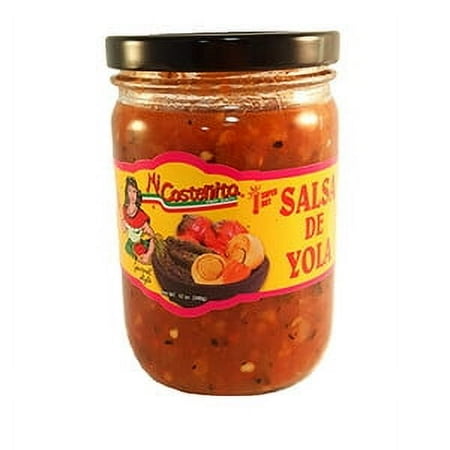
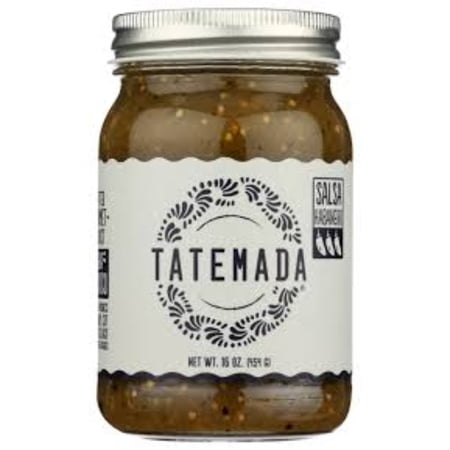
This salsa contains a variety of beneficial ingredients such as whole peeled tomatoes, peppers, garlic, and cilantro, which are rich in vitamins and antioxidants. However, the presence of unspecified vegetable oil, which is often highly processed, raises concerns about its quality and potential inflammatory effects. The product is moderately processed, which limits its score despite the overall clean ingredient list.
Key ingredients 11
Whole peeled tomatoesGood
Whole peeled tomatoes are a rich source of vitamins A and C, and antioxidants like lycopene. They are minimally processed, retaining most of their nutritional value. Their natural sweetness and acidity enhance flavor without added sugars.
Benefits
Rich in antioxidants such as lycopene, which may reduce the risk of chronic diseases. Provides essential vitamins and minerals.
Yellow/green jalapeno peppersGood
Jalapeno peppers are low in calories and rich in vitamins C and B6. They contain capsaicin, which may have metabolism-boosting properties. Their spicy flavor can enhance the taste of dishes without added sodium.
Risks
May cause digestive discomfort in sensitive individuals.
Benefits
Contains capsaicin, which may aid in weight management and provide anti-inflammatory benefits.
SerranosGood
Serrano peppers are similar to jalapenos but with a higher capsaicin content, offering potential metabolism-boosting effects. They are rich in vitamins A and C, contributing to immune health. Their heat can enhance flavor without added calories.
Risks
May cause irritation or digestive issues in some people.
Benefits
High in capsaicin, which may support metabolic health and provide anti-inflammatory effects.
GarlicGood
Garlic is known for its potential cardiovascular benefits and immune-boosting properties. It contains allicin, which has antimicrobial and antioxidant effects. Fresh garlic retains more beneficial compounds compared to processed forms.
Risks
May cause digestive upset or allergic reactions in some individuals.
Benefits
Contains allicin, which may support heart health and provide antimicrobial benefits.
Lemon juiceGood
Lemon juice is a natural source of vitamin C and antioxidants. It adds acidity and flavor without added sugars or calories. Freshly squeezed lemon juice retains more nutrients compared to bottled versions.
Benefits
Rich in vitamin C, which supports immune function and skin health.
CilantroGood
Cilantro is a fresh herb rich in antioxidants and vitamins A and K. It adds flavor and aroma to dishes without added calories. Fresh cilantro retains more nutrients compared to dried forms.
Benefits
Contains antioxidants that may support detoxification and provide anti-inflammatory benefits.
OnionsGood
Onions are a good source of vitamins C and B6, and contain antioxidants like quercetin. They add flavor and depth to dishes without added sugars or fats. Fresh onions retain more beneficial compounds compared to processed forms.
Risks
May cause digestive discomfort in some individuals.
Benefits
Rich in antioxidants that may support heart health and provide anti-inflammatory effects.
CuminGood
Cumin is a spice rich in antioxidants and has potential digestive benefits. It adds a warm, earthy flavor to dishes. Cumin seeds are minimally processed, retaining most of their nutritional value.
Benefits
Contains antioxidants that may support digestion and provide anti-inflammatory benefits.
SpicesGood
Whole-food seasonings, antioxidant-bearing.
Benefits
May contain antioxidants and other beneficial compounds depending on the specific spices used.
SaltNeutral
Salt is used to enhance flavor and preserve food. It is a common ingredient in many processed foods. The type of salt used is not specified, which affects its mineral content.
Risks
Excessive consumption may lead to high blood pressure and other cardiovascular issues.
Vegetable oilBad
Vegetable oil is often highly processed and may contain high levels of omega-6 fatty acids. These oils can contribute to inflammation when consumed in excess. The specific type of vegetable oil is not identified, which raises concerns about its quality.
Risks
High omega-6 content may promote inflammation when consumed in excess.
Processing
Processed Foods
Get the full breakdown in the Scout appTake Scout shopping
Scan any product to see lab results, healthy alternatives, and your personalized analysis.
Download on theApp Store GET IT ONGoogle Play