
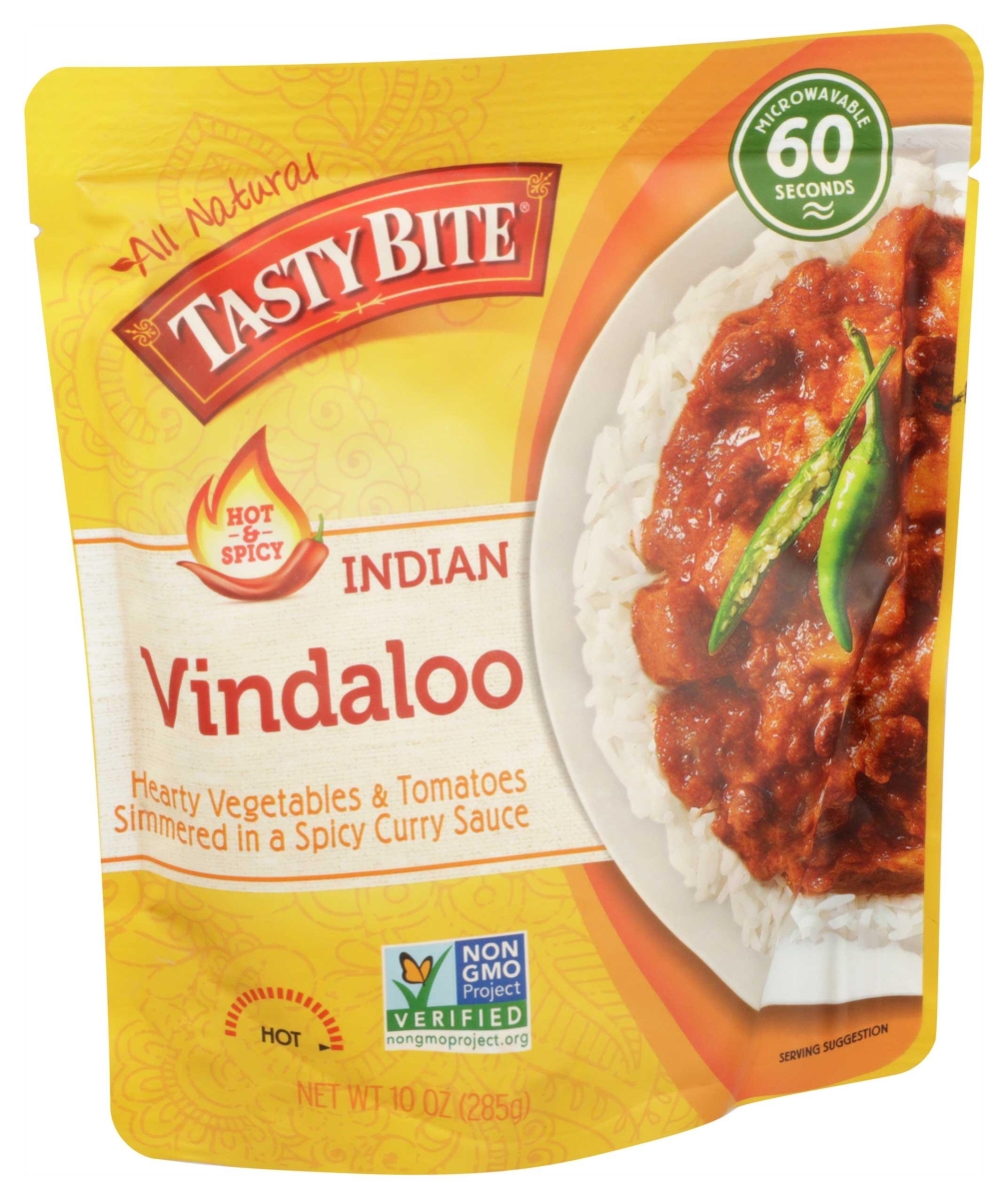

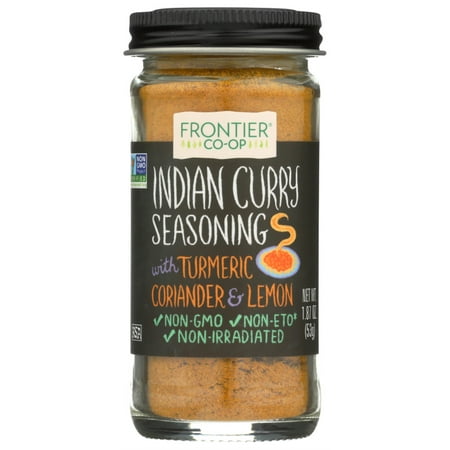


HOT & SPICY INDIAN HEARTY VEGETABLES & TOMATOES SIMMERED IN A SPICY CURRY SAUCE VINDALOO, HOT & SPICY INDIAN VINDALOO
Analysis updated August 2026 · How Scout scores
At a glance
Summary
This product contains a variety of beneficial ingredients such as tomatoes, onions, carrots, and coconut milk, which provide essential nutrients and antioxidants. However, the presence of sunflower oil, a highly processed ingredient high in omega-6 fatty acids, and raw sugar, a refined carbohydrate, detracts from its overall healthiness. The product's processing level also limits its potential score, despite the inclusion of several nutritious components.
Key ingredients 18
TomatoesGood
Tomatoes are rich in vitamins C and K, potassium, and folate. They contain antioxidants like lycopene, which may reduce the risk of heart disease and cancer. Fresh tomatoes provide a natural source of sweetness and flavor.
Benefits
Rich in antioxidants and vitamins, supporting heart health and reducing inflammation.
PotatoesGood
Beneficial ingredient — whole-food or functional value in this product class.
Risks
High glycemic index may affect blood sugar levels if consumed in excess.
Benefits
Provides essential nutrients and energy, supporting overall health.
OnionsGood
Onions are rich in antioxidants and have anti-inflammatory properties. They contain compounds that may reduce the risk of heart disease and certain cancers. Onions add flavor and depth to dishes without adding many calories.
Benefits
Supports heart health and provides antioxidants that may reduce inflammation.
CarrotsGood
Carrots are high in beta-carotene, fiber, vitamin K1, and antioxidants. They are known for improving eye health and reducing the risk of cancer. Carrots add natural sweetness and color to dishes.
Benefits
Rich in beta-carotene and antioxidants, supporting eye health and immune function.
GingerGood
Ginger has powerful anti-inflammatory and antioxidant effects. It is commonly used to aid digestion and reduce nausea. Ginger adds a spicy, aromatic flavor to dishes.
Benefits
Supports digestive health and provides anti-inflammatory benefits.
Coconut milkGood
Coconut milk is rich in medium-chain triglycerides (MCTs) and provides a creamy texture. It is a good source of healthy fats that may support heart health. Coconut milk adds richness and flavor to dishes.
Risks
High in calories and saturated fats, which may affect heart health if consumed in excess.
Benefits
Provides healthy fats and a creamy texture, supporting heart health and energy levels.
Red kidney beansGood
Red kidney beans are high in protein, fiber, and essential nutrients like iron and folate. They support heart health and help regulate blood sugar levels. Beans are a staple in many diets for their nutritional benefits.
Risks
May cause digestive discomfort if not cooked properly due to lectins.
Benefits
Rich in protein and fiber, supporting heart health and blood sugar regulation.
GarlicGood
Garlic is known for its immune-boosting properties and contains compounds that may reduce blood pressure. It adds flavor and aroma to dishes while providing health benefits. Garlic is a staple in many cuisines for its health-promoting properties.
Benefits
Supports immune function and may help reduce blood pressure.
Chili peppersGood
Chili peppers contain capsaicin, which has anti-inflammatory and metabolism-boosting properties. They add heat and flavor to dishes while providing health benefits. Capsaicin may also aid in pain relief and weight management.
Risks
May cause digestive discomfort or irritation in sensitive individuals.
Benefits
Supports metabolism and provides anti-inflammatory benefits.
CuminGood
Cumin is rich in antioxidants and may aid digestion and improve blood cholesterol levels. It adds a warm, earthy flavor to dishes. Cumin is a staple spice in many cuisines for its flavor and health benefits.
Benefits
Supports digestion and provides antioxidants.
CreamGood
Traditional whole-fat dairy ingredient.
Risks
High in saturated fats, which may affect heart health if consumed in excess.
Benefits
Adds richness and flavor to dishes.
Black pepperGood
Black pepper contains piperine, which enhances nutrient absorption and has antioxidant properties. It adds flavor and spice to dishes. Piperine may also support digestion and improve brain function.
Benefits
Enhances nutrient absorption and provides antioxidants.
CinnamonGood
Cinnamon is rich in antioxidants and has anti-inflammatory properties. It may help regulate blood sugar levels and improve heart health. Cinnamon adds warmth and sweetness to dishes without added sugar.
Benefits
Supports blood sugar regulation and provides antioxidants.
CloveGood
Clove is high in antioxidants and has antimicrobial properties. It may support oral health and reduce inflammation. Clove adds a warm, spicy flavor to dishes.
Benefits
Supports oral health and provides antioxidants.
VinegarNeutral
Vinegar is used as a preservative and flavor enhancer. It has potential health benefits, such as aiding digestion and stabilizing blood sugar levels. The acidity of vinegar can enhance the flavor profile of dishes.
Risks
Excessive consumption may lead to digestive discomfort.
Benefits
May aid digestion and help stabilize blood sugar levels.
SaltNeutral
Salt is essential for maintaining fluid balance and nerve function. It enhances flavor but should be consumed in moderation to avoid health issues. Excessive salt intake can lead to hypertension.
Risks
Excessive consumption may lead to hypertension and cardiovascular issues.
Benefits
Essential for fluid balance and nerve function.
Raw sugarBad
Raw sugar is a refined carbohydrate that can contribute to weight gain and metabolic issues when consumed in excess. It provides empty calories without significant nutritional benefits. Alternatives like honey or maple syrup offer more nutrients.
Risks
May contribute to weight gain and metabolic issues when consumed in excess.
Sunflower oilVery Bad
Sunflower oil is high in omega-6 fatty acids, which can promote inflammation when consumed in excess. It is often highly processed, which can reduce its nutritional value. Alternatives like olive oil provide healthier fat profiles.
Risks
High omega-6 content may promote inflammation when consumed in excess.
Processing
Processed Foods
Get the full breakdown in the Scout appTake Scout shopping
Scan any product to see lab results, healthy alternatives, and your personalized analysis.
Download on theApp Store GET IT ONGoogle Play