

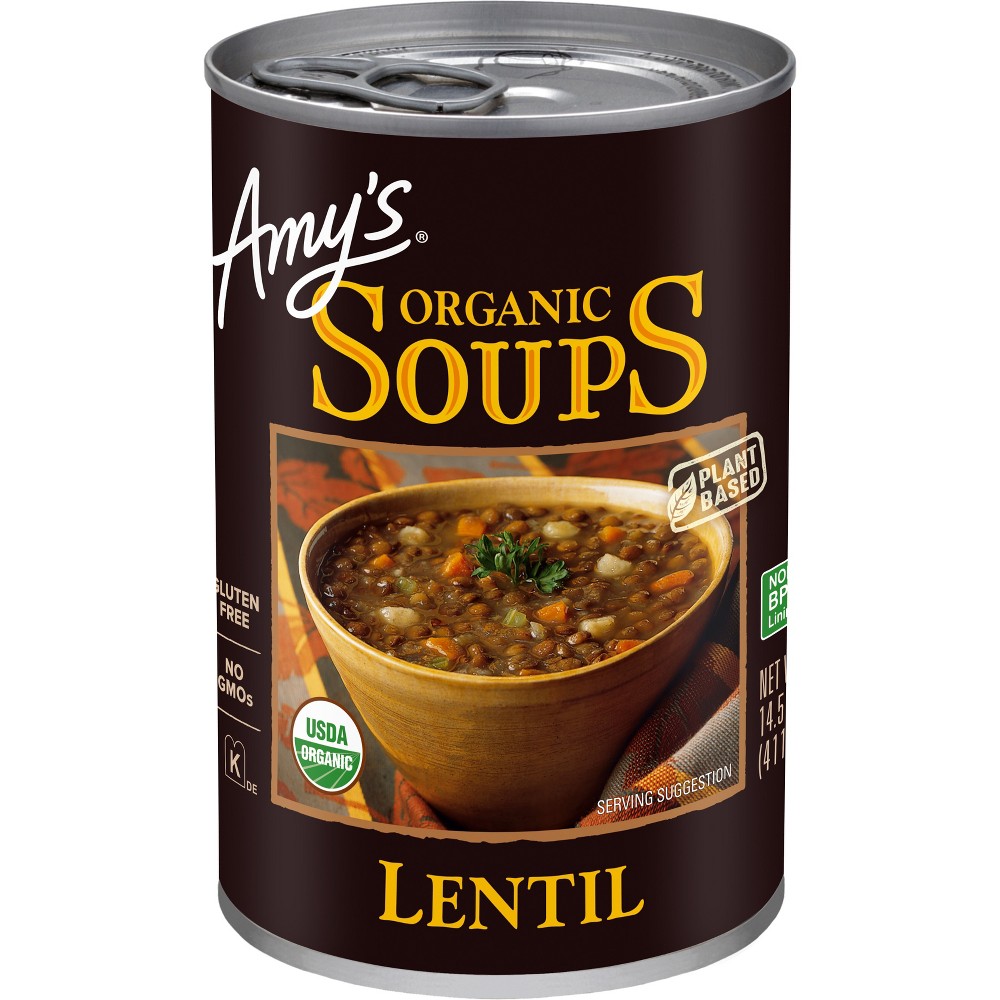


At a glance
Summary
This lentil and chickpea soup contains beneficial ingredients like lentils, chickpeas, and tomatoes, which are rich in protein, fiber, and essential nutrients. However, the presence of canola oil, a seed oil that is often highly processed, and added sugar detracts from its health profile. The soup is moderately processed, which limits its score despite the presence of several nutritious components.
Key ingredients 22
LentilsVery Good
Lentils are a rich source of plant-based protein and fiber. They provide essential nutrients like iron, folate, and magnesium. Their low glycemic index helps in maintaining stable blood sugar levels.
Benefits
Rich in protein and fiber, supporting digestive health and providing essential nutrients.
ChickpeasVery Good
Chickpeas are high in protein and fiber, making them a nutritious addition to the diet. They contain essential vitamins and minerals such as folate, iron, and phosphorus. Their consumption is linked to improved heart health and digestion.
Benefits
High in protein and fiber, supporting heart health and digestion.
TomatoesGood
Tomatoes are a good source of vitamins C and K, potassium, and folate. They contain antioxidants like lycopene, which may reduce the risk of heart disease. Their natural sweetness enhances flavor without added sugars.
Benefits
Rich in vitamins and antioxidants, supporting heart health and providing essential nutrients.
OnionsGood
Onions are low in calories but rich in vitamins and antioxidants. They contain compounds that may reduce inflammation and lower cholesterol levels. Their flavor enhances the taste of dishes naturally.
Benefits
Rich in antioxidants and beneficial compounds that support heart health and reduce inflammation.
Tomato PasteGood
Tomato paste is concentrated with nutrients like lycopene, an antioxidant linked to reduced cancer risk. It enhances flavor and provides a rich source of vitamins A and C. Its concentrated form means more nutrients per serving.
Benefits
Concentrated source of antioxidants and vitamins, supporting overall health.
ApricotsGood
Apricots are rich in vitamins A and C, fiber, and antioxidants. They support eye health and boost the immune system. Their natural sweetness can reduce the need for added sugars.
Benefits
Rich in vitamins and antioxidants, supporting eye health and immune function.
SpicesGood
Spices add flavor and may offer health benefits due to their antioxidant properties. They can enhance the taste of food without adding calories. Different spices provide various health benefits, such as anti-inflammatory effects.
Benefits
Enhances flavor and provides antioxidants with potential health benefits.
GarlicGood
Garlic is known for its potential health benefits, including reducing blood pressure and cholesterol levels. It contains compounds with anti-inflammatory and antioxidant properties. Its strong flavor enhances dishes naturally.
Benefits
Contains compounds that may reduce blood pressure and cholesterol levels.
Egg WhiteGood
Egg white is a high-quality protein source with minimal fat. It contains essential amino acids and supports muscle growth and repair. It is low in calories and cholesterol.
Benefits
High-quality protein source supporting muscle growth and repair.
WaterNeutral
Water is a neutral ingredient used as a base in many soups and foods. It provides no nutritional value but is essential for hydration. It acts as a solvent for other ingredients.
See more about Water →RaisinsNeutral
Raisins provide natural sugars and some vitamins and minerals. They are a source of quick energy but should be consumed in moderation due to their sugar content. They add natural sweetness and texture to dishes.
Risks
High sugar content may contribute to increased calorie intake if consumed in excess.
Benefits
Provides natural sweetness and some vitamins and minerals.
SaltNeutral
Salt is used to enhance flavor and preserve food. It is essential for maintaining fluid balance and nerve function. However, excessive intake can lead to health issues like hypertension.
Risks
Excessive consumption may lead to high blood pressure and related health issues.
Benefits
Essential for fluid balance and nerve function.
Modified Corn StarchNeutral
Modified corn starch is used as a thickening agent in foods. It is highly processed but generally considered safe for consumption. It provides no significant nutritional value.
See more about Modified Corn Starch →Guar GumNeutral
Guar gum is a thickening agent derived from guar beans. It is used to improve texture and stability in foods. While generally safe, excessive consumption may cause digestive issues.
Risks
Excessive consumption may cause digestive issues such as bloating or gas.
Benefits
Improves texture and stability in food products.
Rice FlourNeutral
Rice flour is a gluten-free alternative to wheat flour. It is used to thicken soups and sauces. It provides carbohydrates but lacks significant nutritional benefits.
Benefits
Provides a gluten-free alternative for thickening.
Lemon Juice ConcentrateNeutral
Lemon juice concentrate adds acidity and flavor to foods. It contains vitamin C but in reduced amounts compared to fresh lemon juice. It is used to enhance flavor and preserve freshness.
Benefits
Adds flavor and some vitamin C content.
Spices and ColoringNeutral
Spices and coloring are used to enhance flavor and appearance. They may contain natural or artificial components. Their impact on health depends on the specific spices and colorings used.
Risks
Potential risks depend on the specific colorings used, especially if artificial.
Benefits
Enhances flavor and appearance of food.
Spirit VinegarNeutral
Spirit vinegar is used as a preservative and flavor enhancer. It is made from the fermentation of distilled alcohol. It provides acidity but no significant nutritional benefits.
Benefits
Acts as a preservative and flavor enhancer.
Skim Milk PowderNeutral
Skim milk powder provides protein and calcium with reduced fat content. It is used to enhance nutritional value and texture in foods. It is suitable for those seeking lower-fat dairy options.
Risks
Not suitable for individuals with lactose intolerance or milk allergies.
Benefits
Provides protein and calcium with reduced fat content.
SugarBad
Refined sugar is associated with increased calorie intake and potential health issues like obesity and diabetes. It provides no essential nutrients and can contribute to tooth decay. Its consumption should be limited.
Risks
May contribute to obesity, diabetes, and tooth decay when consumed in excess.
Wheat FlourBad
Refined grain flour stripped of bran and germ.
Risks
Not suitable for individuals with gluten intolerance or celiac disease.
Benefits
Provides carbohydrates and some protein.
Canola OilVery Bad
Canola oil is a seed oil high in omega-6 fatty acids, which may promote inflammation. It is often highly processed, which can reduce its nutritional quality. Its use is discouraged due to potential health concerns.
Risks
High omega-6 content may promote inflammation when consumed in excess.
Processing
Processed Foods
Get the full breakdown in the Scout appTake Scout shopping
Scan any product to see lab results, healthy alternatives, and your personalized analysis.
Download on theApp Store GET IT ONGoogle Play