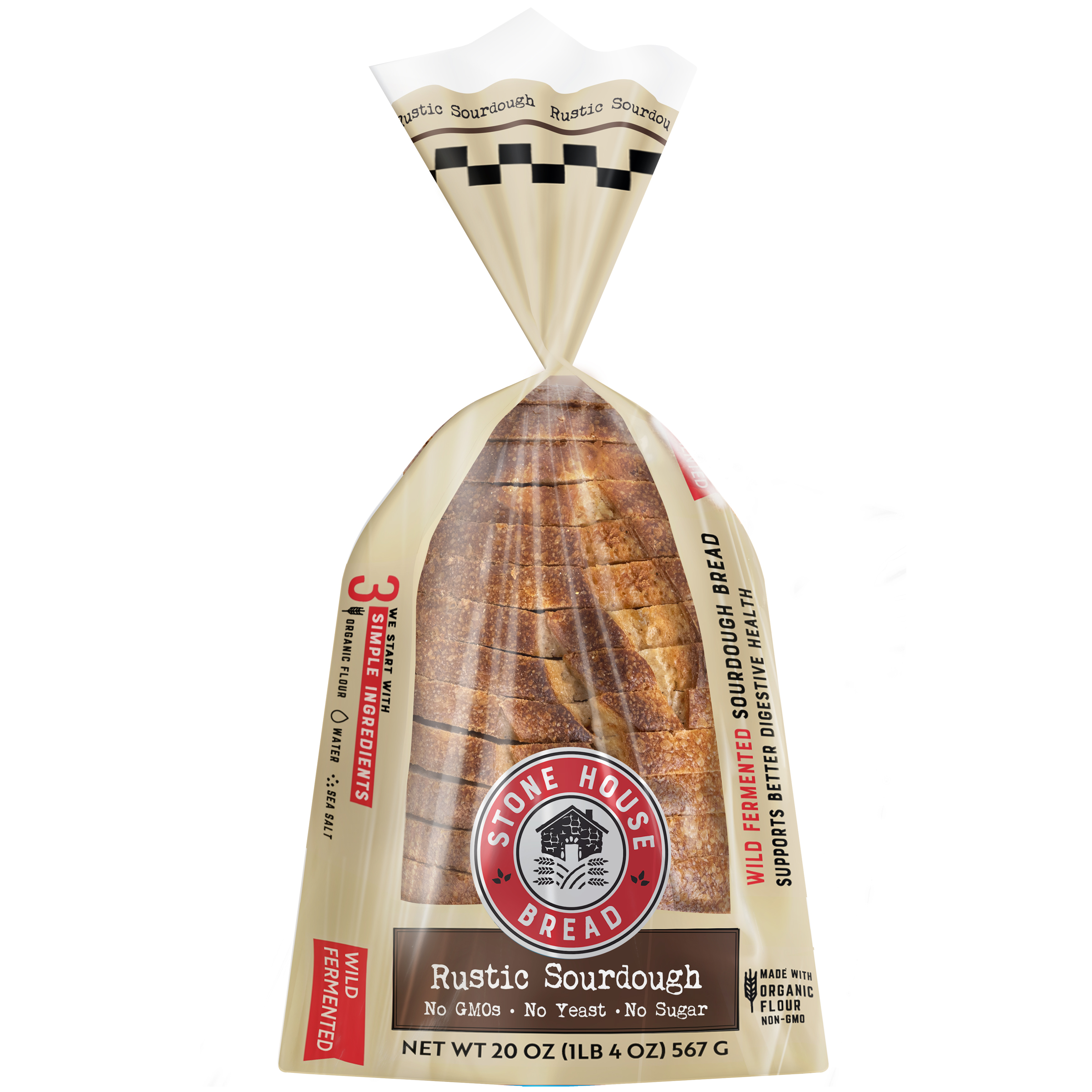
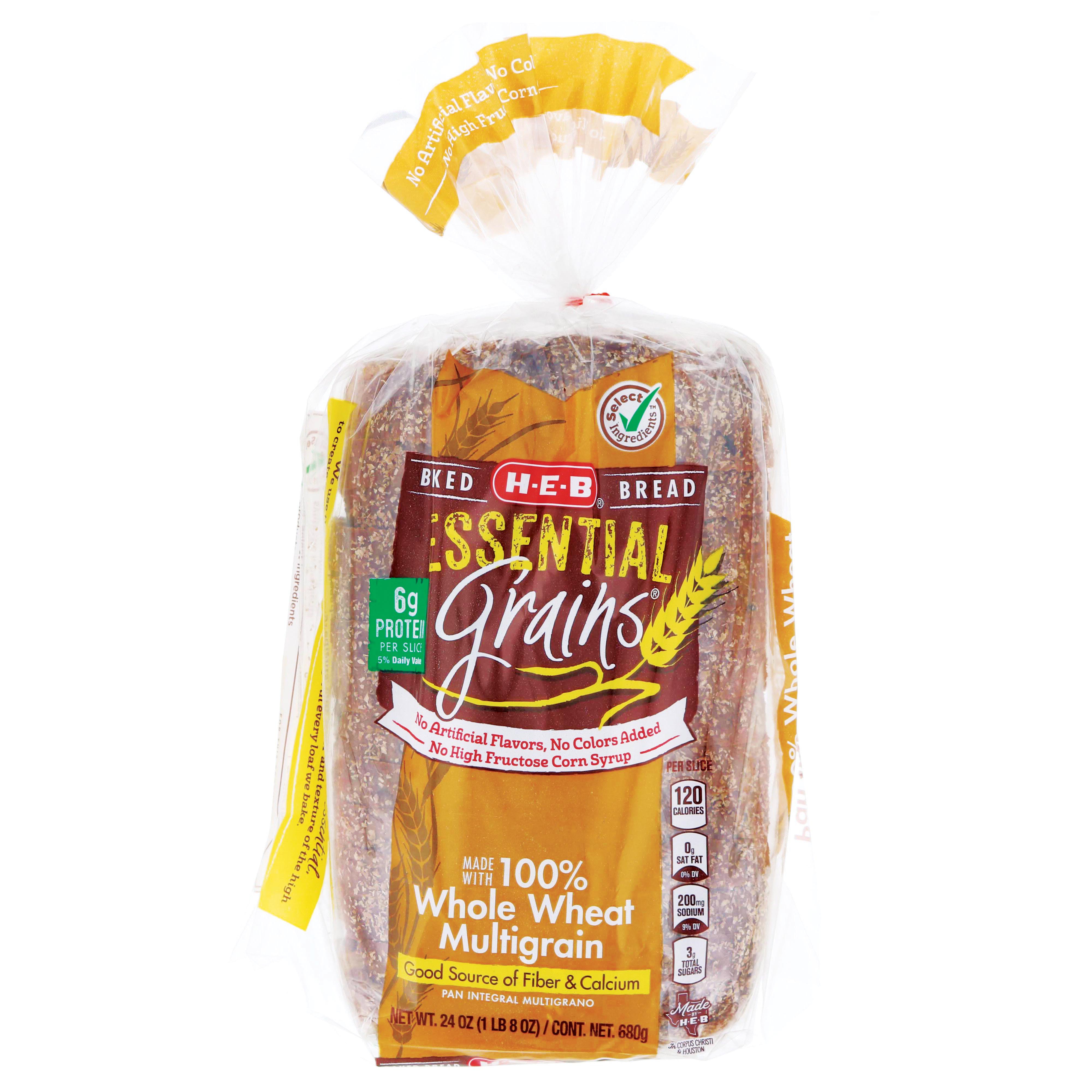
Bread tuscan wheat

At a glance
Summary
This bread contains whole wheat flour, which is beneficial for providing fiber and nutrients. However, it is a processed food with a moderate level of processing, which limits its score potential. The ingredient list is relatively clean, with no harmful additives or seed oils, but the presence of refined wheat flour and added gluten slightly detracts from its overall healthiness. Its plastic packaging can shed microplastics into the food and lowers its score.
Key ingredients 13
Whole wheat flourGood
Whole wheat flour is a whole grain, providing more fiber and nutrients than refined flour. It supports digestive health and offers a more complex flavor. Its inclusion in bread enhances nutritional value compared to refined flour alone.
Benefits
Rich in fiber and nutrients, supporting digestive health and providing a more complex flavor profile.
Malted barley flourNeutral
Malted barley flour is used to enhance flavor and improve the fermentation process in bread. It is minimally processed and adds a slight sweetness. However, it does not provide significant nutritional benefits.
Benefits
Enhances flavor and aids in fermentation, contributing to the bread's texture.
CiderNeutral
Cider is used in bread for its flavor and acidity, which can enhance the dough's rise. It is a natural ingredient but does not contribute significant nutritional value. Its use in bread is primarily for taste and texture.
Benefits
Adds flavor and acidity, which can improve the bread's texture and rise.
WaterNeutral
Water is a fundamental ingredient in bread, necessary for dough formation and yeast activation. It is a neutral ingredient with no direct nutritional impact. Its role is primarily functional in the baking process.
Benefits
Essential for dough formation and yeast activation, contributing to the bread's texture.
Sourdough starterNeutral
Sourdough starter is a natural leavening agent that enhances flavor and texture. It involves fermentation, which can improve digestibility. However, its nutritional impact is minimal beyond its functional role in bread making.
Benefits
Enhances flavor and texture through natural fermentation, potentially improving digestibility.
MolassesNeutral
Molasses is used for its rich flavor and color in bread. It is a natural sweetener but used in small amounts, it does not significantly impact the nutritional profile. Its primary role is to enhance taste and appearance.
Benefits
Adds rich flavor and color, enhancing the bread's taste and appearance.
SaltNeutral
Salt is used to enhance flavor and control yeast activity in bread. It is a common ingredient with no significant nutritional benefits. Its primary role is functional in the baking process.
Risks
Excessive consumption of salt can lead to high blood pressure and other health issues.
Benefits
Enhances flavor and controls yeast activity, contributing to the bread's texture.
Cultured wheat flourNeutral
Cultured wheat flour is used as a natural preservative to extend shelf life. It is minimally processed and does not significantly alter the nutritional profile. Its role is primarily functional in preserving freshness.
Benefits
Acts as a natural preservative, extending the bread's shelf life without artificial additives.
Wheat glutenNeutral
Wheat gluten is added to improve the elasticity and texture of bread. It is a protein component of wheat but does not provide significant nutritional benefits beyond its functional role. Its use is common in bread making for texture enhancement.
Risks
May cause adverse reactions in individuals with gluten intolerance or celiac disease.
Benefits
Improves elasticity and texture, contributing to the bread's structure.
Vitamin CNeutral
Vitamin C, or ascorbic acid, is used as a dough conditioner to improve bread texture. It is a natural antioxidant but used in small amounts, it does not significantly impact the nutritional profile. Its role is primarily functional in enhancing dough quality.
Benefits
Acts as a dough conditioner, improving texture and quality of the bread.
Cultured wheat enzymesNeutral
Cultured wheat enzymes are used to improve dough handling and bread texture. They are natural and minimally processed, with no significant nutritional impact. Their role is primarily functional in enhancing bread quality.
Benefits
Improves dough handling and texture, contributing to the bread's quality.
YeastNeutral
Yeast is a natural leavening agent essential for bread rising. It is a living organism that ferments sugars, producing carbon dioxide and alcohol. Its role is primarily functional in bread making, with no significant nutritional impact.
Benefits
Essential for leavening, contributing to the bread's rise and texture.
Wheat flourBad
Refined grain flour stripped of bran and germ.
Risks
Refined wheat flour may contribute to blood sugar spikes and lacks fiber compared to whole grains.
Benefits
Provides essential carbohydrates and energy, but lacks the nutritional benefits of whole grains.
Processing
Processed Foods
Get the full breakdown in the Scout appTake Scout shopping
Scan any product to see lab results, healthy alternatives, and your personalized analysis.