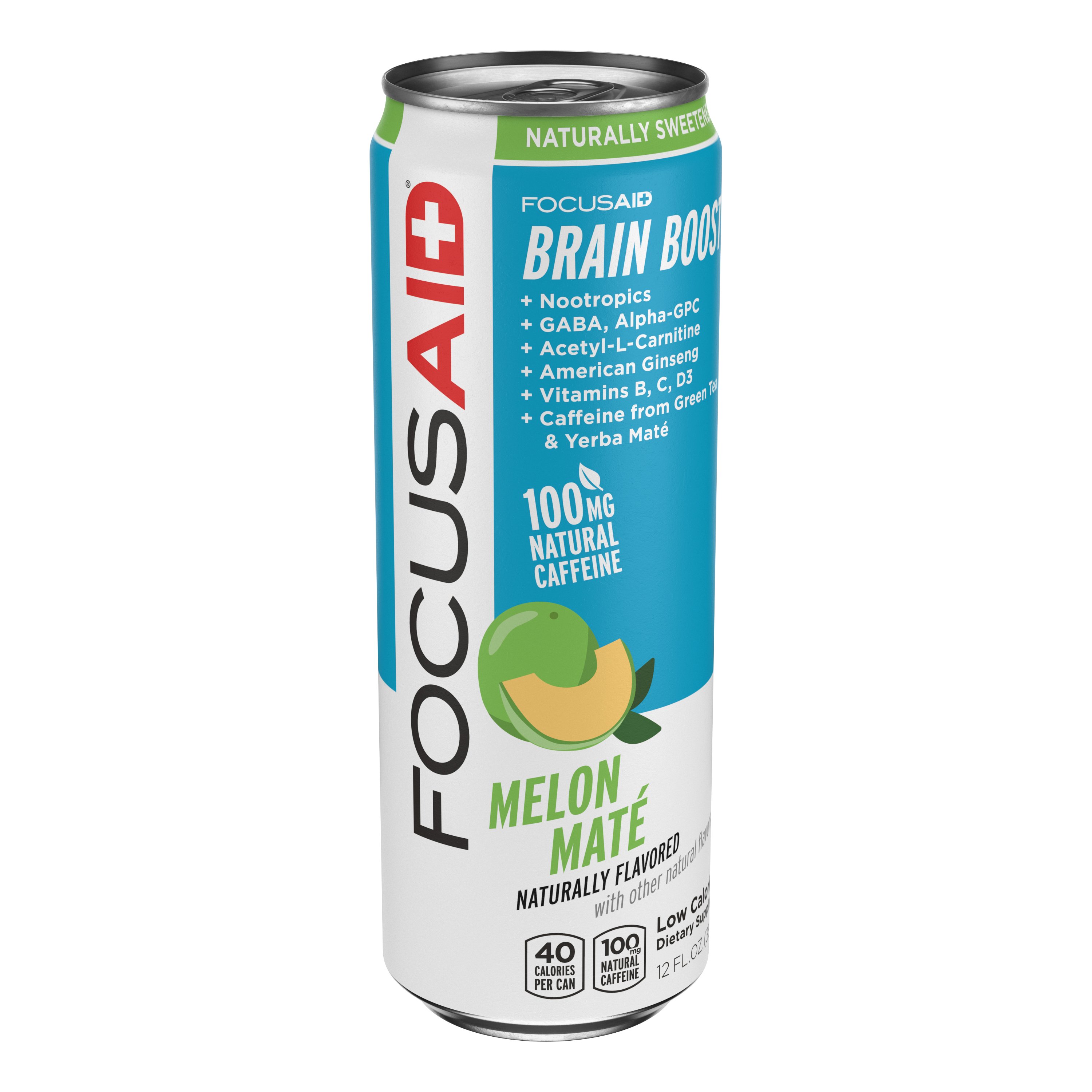
Lifeaid Beverage, Focusaid Plus Melon Mate, 12 Oz(Case Of 12)
At a glance
Summary
This energy drink contains no added sugars and uses natural sweeteners like stevia and monk fruit, which is a positive aspect. It includes beneficial ingredients such as caffeine from green tea extract and various vitamins and minerals, contributing to its functional benefits. However, the presence of 'natural flavors' and a moderate number of additives slightly detracts from its overall score, despite its clean formulation compared to other energy drinks.
Key ingredients 27
L-LeucineGood
L-Leucine is an essential amino acid important for muscle protein synthesis. It plays a critical role in muscle repair and growth. It is beneficial for athletes and individuals engaging in physical activities.
Benefits
Supports muscle recovery and growth, especially beneficial for athletes.
Caffeine From Green Tea ExtractGood
Caffeine from green tea extract provides a natural source of energy and alertness. It is less processed compared to synthetic caffeine and contains antioxidants. Green tea extract is associated with various health benefits.
Risks
Excessive caffeine intake may lead to jitteriness and insomnia.
Benefits
Enhances alertness and provides antioxidants from green tea.
Calcium CitrateGood
Calcium citrate is a form of calcium that is easily absorbed by the body. It supports bone health and is beneficial for individuals with low calcium intake. It is often used in supplements and fortified foods.
Risks
Excessive intake may lead to hypercalcemia.
Benefits
Supports bone health and is easily absorbed by the body.
Magnesium GluconateGood
Magnesium gluconate is a form of magnesium that supports muscle and nerve function. It is beneficial for maintaining normal muscle and nerve function. It is often used in supplements to prevent magnesium deficiency.
Risks
Excessive intake may cause gastrointestinal discomfort.
Benefits
Supports muscle and nerve function, beneficial for preventing deficiency.
Ascorbic AcidGood
Ascorbic acid, also known as vitamin C, is an essential nutrient and antioxidant. It supports immune function and skin health. It is commonly added to beverages for its health benefits and preservative properties.
Risks
High doses may cause gastrointestinal upset.
Benefits
Supports immune function and acts as an antioxidant.
D-Alpha-Tocopherol AcetateGood
D-Alpha-Tocopherol Acetate is a form of vitamin E, an antioxidant that protects cells from oxidative damage. It supports skin health and immune function. It is commonly used in supplements and fortified foods.
Risks
Excessive intake may interfere with blood clotting.
Benefits
Acts as an antioxidant and supports skin and immune health.
Quercetin DihydrateGood
Quercetin dihydrate is a flavonoid with antioxidant and anti-inflammatory properties. It supports immune health and may reduce allergy symptoms. It is found naturally in many fruits and vegetables.
Risks
High doses may interact with certain medications.
Benefits
Provides antioxidant benefits and supports immune health.
NiacinamideGood
Niacinamide, a form of vitamin B3, supports energy metabolism and skin health. It is essential for converting food into energy. It is commonly used in supplements and fortified foods.
Risks
High doses may cause skin flushing.
Benefits
Supports energy metabolism and skin health.
Coenzyme Q10Good
Coenzyme Q10 is an antioxidant that supports cellular energy production. It is beneficial for heart health and reducing oxidative stress. It is naturally present in the body and found in some foods.
Benefits
Supports heart health and cellular energy production.
Turmeric ExtractGood
Turmeric extract contains curcumin, a compound with anti-inflammatory and antioxidant properties. It supports joint health and may reduce inflammation. It is widely used in traditional medicine.
Risks
High doses may cause gastrointestinal discomfort.
Benefits
Supports joint health and provides anti-inflammatory benefits.
Monk FruitGood
Monk fruit is a natural sweetener that provides sweetness without calories. It is suitable for sugar-restricted diets and does not affect blood sugar levels. It is derived from the monk fruit plant and is considered safe.
Benefits
Provides sweetness without calories, suitable for sugar-restricted diets.
Calcium D-PantothenateGood
Calcium D-Pantothenate is a form of vitamin B5 that supports energy metabolism. It is essential for synthesizing coenzyme A, which is involved in energy production. It is commonly used in supplements and fortified foods.
Benefits
Supports energy metabolism and is essential for coenzyme A synthesis.
CholecalciferolGood
Cholecalciferol, also known as vitamin D3, supports bone health and immune function. It is essential for calcium absorption and maintaining healthy bones. It is commonly used in supplements and fortified foods.
Risks
Excessive intake may lead to hypercalcemia.
Benefits
Supports bone health and enhances calcium absorption.
Pyridoxine HClGood
Pyridoxine HCl is a form of vitamin B6 that supports brain health and energy metabolism. It is essential for neurotransmitter synthesis and cognitive function. It is commonly used in supplements and fortified foods.
Risks
High doses may cause nerve damage.
Benefits
Supports brain health and energy metabolism.
RiboflavinGood
Riboflavin, also known as vitamin B2, supports energy production and skin health. It is essential for converting food into energy and maintaining healthy skin. It is commonly used in supplements and fortified foods.
Benefits
Supports energy production and skin health.
Thiamine MononitrateGood
Thiamine mononitrate is a form of vitamin B1 that supports energy metabolism and nerve function. It is essential for converting carbohydrates into energy. It is commonly used in supplements and fortified foods.
Benefits
Supports energy metabolism and nerve function.
MethylcobalaminGood
Methylcobalamin is a form of vitamin B12 that supports nerve health and energy production. It is essential for red blood cell formation and neurological function. It is commonly used in supplements and fortified foods.
Benefits
Supports nerve health and energy production.
BiotinGood
Biotin, also known as vitamin B7, supports hair, skin, and nail health. It is essential for energy metabolism and the synthesis of fatty acids. It is commonly used in supplements and fortified foods.
Benefits
Supports hair, skin, and nail health.
MethylfolateGood
Methylfolate is a form of folate that supports DNA synthesis and cell division. It is essential for prenatal health and reducing the risk of neural tube defects. It is commonly used in supplements and fortified foods.
Benefits
Supports DNA synthesis and prenatal health.
Filtered WaterNeutral
Filtered water is a neutral ingredient that serves as the base for the beverage. It is essential for hydration and does not contribute any calories or nutrients. The filtration process ensures the removal of impurities.
See more about Filtered Water →Gum ArabicNeutral
Gum arabic is a natural emulsifier and stabilizer derived from acacia trees. It is used to improve texture and consistency in beverages. It is generally recognized as safe and has minimal impact on health.
Benefits
May aid in digestion and provide prebiotic benefits.
Citric AcidNeutral
Citric acid is a natural preservative and flavor enhancer commonly used in beverages. It is derived from citrus fruits and helps to maintain freshness. It is generally safe for consumption in moderate amounts.
Risks
Excessive consumption may lead to dental erosion.
L-Malic AcidNeutral
L-Malic acid is a naturally occurring compound in fruits that enhances flavor and tartness. It is used to improve the taste profile of beverages. It is generally safe and has no significant health impact.
Potassium CitrateNeutral
Potassium citrate is used as a buffering agent and to regulate acidity in beverages. It provides a source of potassium, an essential mineral. It is generally safe and beneficial for maintaining electrolyte balance.
Risks
Excessive intake may lead to hyperkalemia in susceptible individuals.
Benefits
Helps maintain electrolyte balance and supports nerve and muscle function.
Fruit And Vegetable JuiceNeutral
Fruit and vegetable juice is used for natural coloring in beverages. It provides a natural alternative to artificial dyes. The juice is typically present in small amounts and does not significantly impact nutrition.
Benefits
Provides natural coloring without artificial additives.
Stevia ExtractNeutral
Stevia extract is a natural, zero-calorie sweetener derived from the stevia plant. It is used to provide sweetness without adding calories. It is generally considered safe and does not affect blood sugar levels.
Benefits
Provides sweetness without calories, suitable for sugar-restricted diets.
Natural FlavorsBad
Natural flavors are often used to enhance taste but lack transparency in their composition. They can contain a variety of chemicals and additives that are not disclosed. This lack of transparency can be concerning for consumers seeking clean labels.
Risks
Potential allergens or undisclosed additives may be present, posing risks to sensitive individuals.
Processing
Ultra-Processed Foods
Get the full breakdown in the Scout appTake Scout shopping
Scan any product to see lab results, healthy alternatives, and your personalized analysis.
Are you Fitaid? Fix an error Get the badge Get tested
Amazon pricing & content
Amazon price as of . Product prices and availability are accurate as of the date/time indicated and are subject to change. Any price and availability information displayed on Amazon.com at the time of purchase will apply to the purchase of this product.
CERTAIN CONTENT THAT APPEARS ON THIS SITE COMES FROM AMAZON. THIS CONTENT IS PROVIDED “AS IS” AND IS SUBJECT TO CHANGE OR REMOVAL AT ANY TIME.