

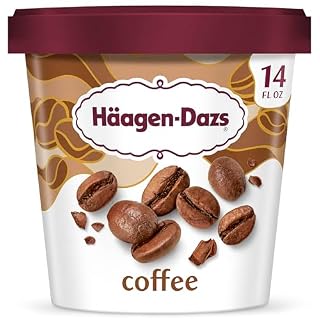


Keto Coffee Almond Toffee Ice Cream Bar
Analysis updated July 2026 · How Scout scores
At a glance
Summary
This ice cream bar contains several high-quality ingredients such as cream, coconut oil, almonds, and olive oil, which contribute beneficial fats and nutrients. However, it is classified as ultra-processed due to the inclusion of soy lecithin and natural flavors, which are highly processed additives. Despite its good macronutrient profile, the level of processing and presence of these additives limit its overall healthiness.
Key ingredients 11
Olive OilVery Good
Olive oil is a high-quality source of monounsaturated fats with anti-inflammatory properties. It is rich in antioxidants like vitamin E and polyphenols. Cold-pressed extra virgin olive oil retains the most beneficial compounds.
Benefits
Supports heart health and may reduce oxidative stress.
CreamGood
Cream is a source of high-quality dairy fat, providing essential fatty acids and fat-soluble vitamins. It is minimally processed and can contribute to a creamy texture in foods. Grass-fed cream would be preferable for higher omega-3 content.
Risks
High in saturated fat, which may be a concern for cardiovascular health if consumed in excess.
Benefits
Provides a rich source of fat-soluble vitamins like A, D, E, and K, and contributes to satiety.
Coconut OilGood
Coconut oil is a source of medium-chain triglycerides (MCTs), which are easily metabolized for energy. It is minimally processed and can support metabolic health. Virgin coconut oil retains more beneficial compounds compared to refined versions.
Risks
High in saturated fats, which could impact heart health if consumed in large amounts.
Benefits
Contains MCTs that may support weight management and provide quick energy.
AlmondsGood
Almonds are a nutrient-dense nut rich in healthy fats, fiber, and protein. They provide essential nutrients like vitamin E and magnesium. Raw or dry-roasted almonds are preferable to preserve nutrients.
Risks
Potential allergen for individuals with nut allergies.
Benefits
Rich in monounsaturated fats and antioxidants, supporting heart health and reducing oxidative stress.
Chicory Root FiberGood
Chicory root fiber is a prebiotic fiber that supports digestive health. It is derived from the chicory plant and can improve gut microbiota balance. It is minimally processed and adds dietary fiber to foods.
Risks
Excessive intake may lead to digestive discomfort such as bloating or gas.
Benefits
Promotes healthy digestion and supports beneficial gut bacteria.
Sea SaltGood
Sea salt is a minimally processed source of sodium and trace minerals. It is harvested from evaporated seawater and retains natural minerals. It is preferable to refined table salt for its mineral content.
Risks
Excessive sodium intake can contribute to high blood pressure.
Benefits
Provides essential minerals and enhances flavor.
AlluloseNeutral
Standard formulation ingredient — neither beneficial nor harmful at typical use.
Risks
Excessive consumption may cause digestive discomfort in some individuals.
Benefits
Offers a sweet taste with minimal impact on blood glucose levels.
ErythritolNeutral
Erythritol is a sugar alcohol used as a low-calorie sweetener. It is well-tolerated and does not raise blood sugar levels. It is naturally found in some fruits and fermented foods.
Risks
May cause digestive issues like bloating or gas if consumed in large amounts.
Benefits
Provides sweetness with minimal caloric impact and is tooth-friendly.
Coffee ExtractNeutral
Coffee extract provides flavor and a small amount of caffeine. It is derived from coffee beans and adds a rich taste to products. The extract is typically concentrated to enhance flavor.
Risks
Contains caffeine, which may affect sleep or cause jitteriness in sensitive individuals.
Benefits
Adds a robust coffee flavor and contains antioxidants from coffee beans.
Soy LecithinBad
Soy lecithin is an emulsifier derived from soybeans, used to stabilize and blend ingredients. It is highly processed and may contain traces of soy allergens. Non-GMO or organic versions are preferable to avoid pesticide residues.
Risks
Potential allergen for individuals sensitive to soy.
Benefits
Helps improve texture and consistency in food products.
Natural FlavorBad
Natural flavor is a broad term for flavoring agents derived from natural sources. It is often highly processed and lacks transparency about specific ingredients. The term can encompass a wide range of substances, making it difficult to assess health impacts.
Risks
May contain undisclosed allergens or additives.
Benefits
Enhances flavor without adding calories.
Processing
Ultra-Processed Foods
Get the full breakdown in the Scout appTake Scout shopping
Scan any product to see lab results, healthy alternatives, and your personalized analysis.
Download on theApp Store GET IT ONGoogle Play