

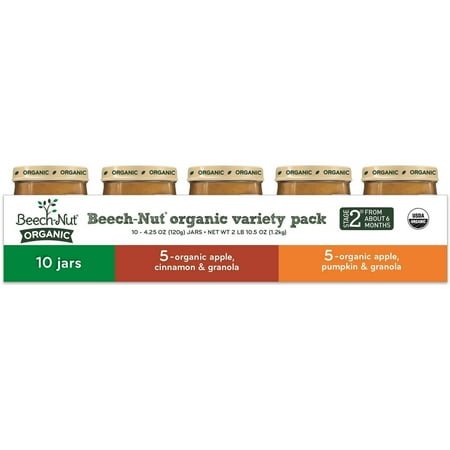

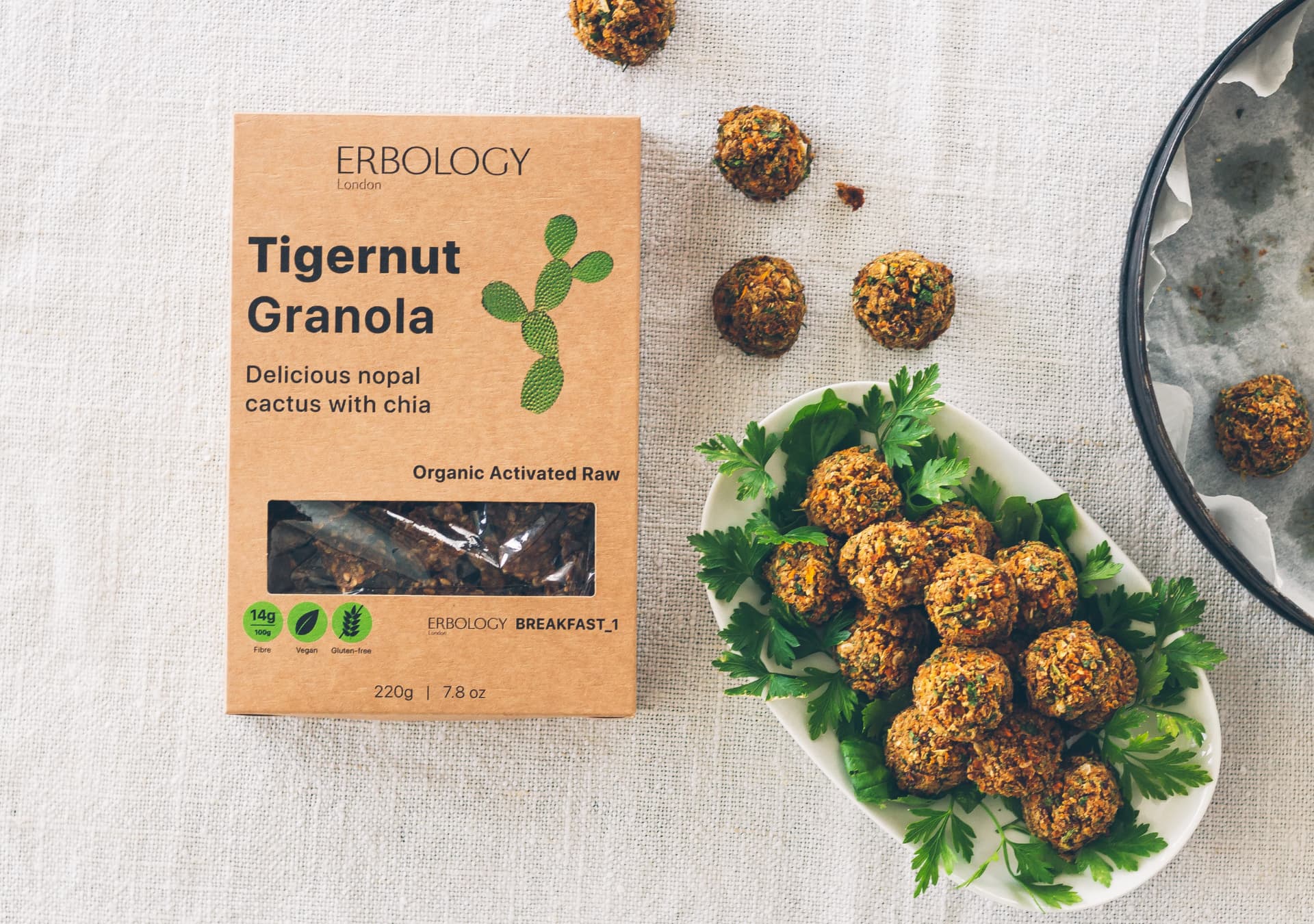
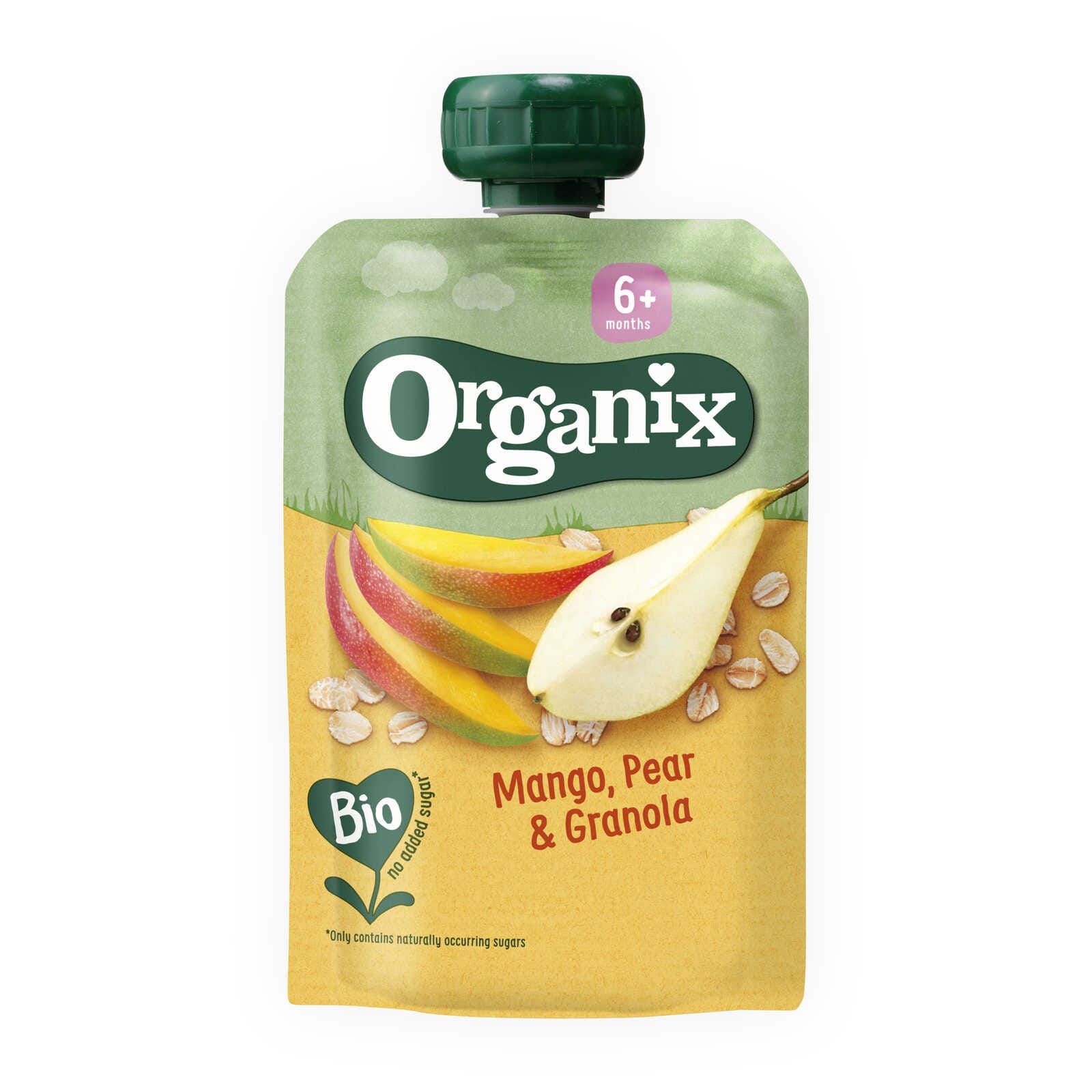
Granola Bakes
Analysis updated August 2026 · How Scout scores
At a glance
Summary
This granola product contains a mix of beneficial ingredients like whole rolled oats, buckwheat, and chia seeds, which provide fiber and essential nutrients. However, it also includes refined ingredients such as enriched flour, brown sugar, and canola oil, which are associated with higher processing levels and potential health concerns. The presence of processed flavoring agents and white chips further contributes to its moderate processing score, limiting its overall health rating.
Key ingredients 19
Whole rolled oatsVery Good
Whole rolled oats are a rich source of dietary fiber and essential nutrients. They are minimally processed, retaining most of their natural nutrients. Oats are known for their heart health benefits and ability to stabilize blood sugar levels.
Benefits
Rich in beta-glucan, a type of soluble fiber that can help lower cholesterol levels and improve heart health.
BuckwheatGood
Buckwheat is a gluten-free grain that provides a good source of protein and fiber. It is minimally processed and contains essential amino acids. Buckwheat is known for its antioxidant properties and potential to improve heart health.
Benefits
Contains rutin, an antioxidant that may help reduce inflammation and improve blood circulation.
Golden flax seedsGood
Golden flax seeds are a rich source of omega-3 fatty acids and dietary fiber. They are minimally processed and provide lignans, which have antioxidant properties. Flax seeds can support digestive health and reduce inflammation.
Benefits
High in alpha-linolenic acid, an omega-3 fatty acid that supports heart health and reduces inflammation.
Chia seedsGood
Chia seeds are nutrient-dense, providing omega-3 fatty acids, fiber, and protein. They are minimally processed and can absorb liquid to form a gel-like consistency. Chia seeds support digestive health and provide sustained energy.
Benefits
Rich in omega-3 fatty acids and fiber, promoting heart health and aiding in digestion.
QuinoaGood
Quinoa is a complete protein source, containing all essential amino acids. It is minimally processed and provides fiber, vitamins, and minerals. Quinoa is known for its high nutrient density and versatility in cooking.
Benefits
Provides a complete protein source and is rich in magnesium, which supports muscle and nerve function.
HoneyGood
Traditional whole-food sweetener with trace enzymes and antioxidants.
Risks
High in calories and sugars, which can contribute to weight gain if consumed in excess.
Benefits
Contains small amounts of antioxidants and may have antibacterial properties.
Chicory root fibreGood
Chicory root fiber is a prebiotic fiber that supports gut health. It is minimally processed and can improve digestive health by promoting beneficial gut bacteria. Chicory root fiber is known for its ability to enhance satiety and support weight management.
Risks
Excessive consumption may cause digestive discomfort in some individuals.
Benefits
Promotes healthy digestion and supports beneficial gut bacteria.
Pumpkin seedsGood
Pumpkin seeds are a good source of protein, healthy fats, and minerals like magnesium and zinc. They are minimally processed and provide antioxidants. Pumpkin seeds support heart health and may improve sleep quality due to their tryptophan content.
Benefits
Rich in magnesium and zinc, supporting immune function and heart health.
Whole liquid eggsGood
Whole liquid eggs provide high-quality protein and essential nutrients like choline and vitamin D. They are minimally processed and offer a complete amino acid profile. Eggs are versatile and support muscle health and brain function.
Benefits
Excellent source of high-quality protein and essential nutrients.
CinnamonGood
Cinnamon is a spice with antioxidant properties and potential health benefits. It is minimally processed and can help regulate blood sugar levels. Cinnamon adds flavor and may have anti-inflammatory effects.
Benefits
Contains antioxidants and may help regulate blood sugar levels.
GingerGood
Ginger is a spice known for its anti-inflammatory and digestive benefits. It is minimally processed and can help alleviate nausea and improve digestion. Ginger adds flavor and may support immune health.
Benefits
Contains compounds that may reduce inflammation and improve digestion.
Enriched flourNeutral
Enriched flour is refined wheat flour with added vitamins and minerals. It is processed to remove the bran and germ, reducing fiber content. While it provides essential nutrients, it lacks the fiber and nutrients of whole grains.
Risks
May contribute to blood sugar spikes due to its refined nature.
Benefits
Provides essential vitamins and minerals due to enrichment, though lacks fiber.
Dried applesNeutral
Dried apples provide fiber and natural sugars. They are processed to remove water, concentrating sugars and flavors. While they offer some nutrients, added sugar and processing reduce their overall health benefits.
Risks
May contain added sugars, increasing calorie content.
Benefits
Provides fiber and some vitamins, though less than fresh apples.
WaterNeutral
Water is a basic ingredient used for hydration and processing. It is essential for life but does not provide calories or nutrients. Water is neutral in terms of health impact.
Benefits
Essential for hydration but provides no nutritional value.
Brown sugarBad
Brown sugar is a refined sugar with molasses added for flavor. It is high in calories and can contribute to weight gain and dental issues. Excessive consumption of refined sugars is linked to various health issues.
Risks
High consumption can lead to obesity, diabetes, and dental problems.
Benefits
Provides a richer flavor than white sugar but offers no significant nutritional benefits.
White chipsBad
White chips are made from sugar and palm oils, which are high in saturated fats. They are highly processed and contain artificial flavors. Consumption of such processed ingredients can contribute to health issues like obesity and heart disease.
Risks
High in saturated fats and sugars, contributing to obesity and heart disease.
Natural flavourBad
Natural flavor is a catch-all term for flavoring agents derived from natural sources. It is highly processed and lacks transparency in ingredient sourcing. The term 'natural' does not guarantee health benefits or quality.
Risks
Lack of transparency in sourcing and processing may pose allergen risks.
Natural banana flavourBad
Natural banana flavor is a processed flavoring agent derived from natural sources. It is used to enhance taste but does not provide nutritional benefits. The term 'natural' can be misleading as it does not ensure purity or health benefits.
Risks
Potential allergen risks due to lack of transparency in sourcing.
Canola oilVery Bad
Canola oil is a refined seed oil high in omega-6 fatty acids. It is heavily processed and can contribute to inflammation when consumed in excess. The extraction process often involves chemical solvents, reducing its nutritional quality.
Risks
High omega-6 content may promote inflammation when consumed in excess.
Processing
Processed Foods
Get the full breakdown in the Scout appTake Scout shopping
Scan any product to see lab results, healthy alternatives, and your personalized analysis.
Download on theApp Store GET IT ONGoogle Play