

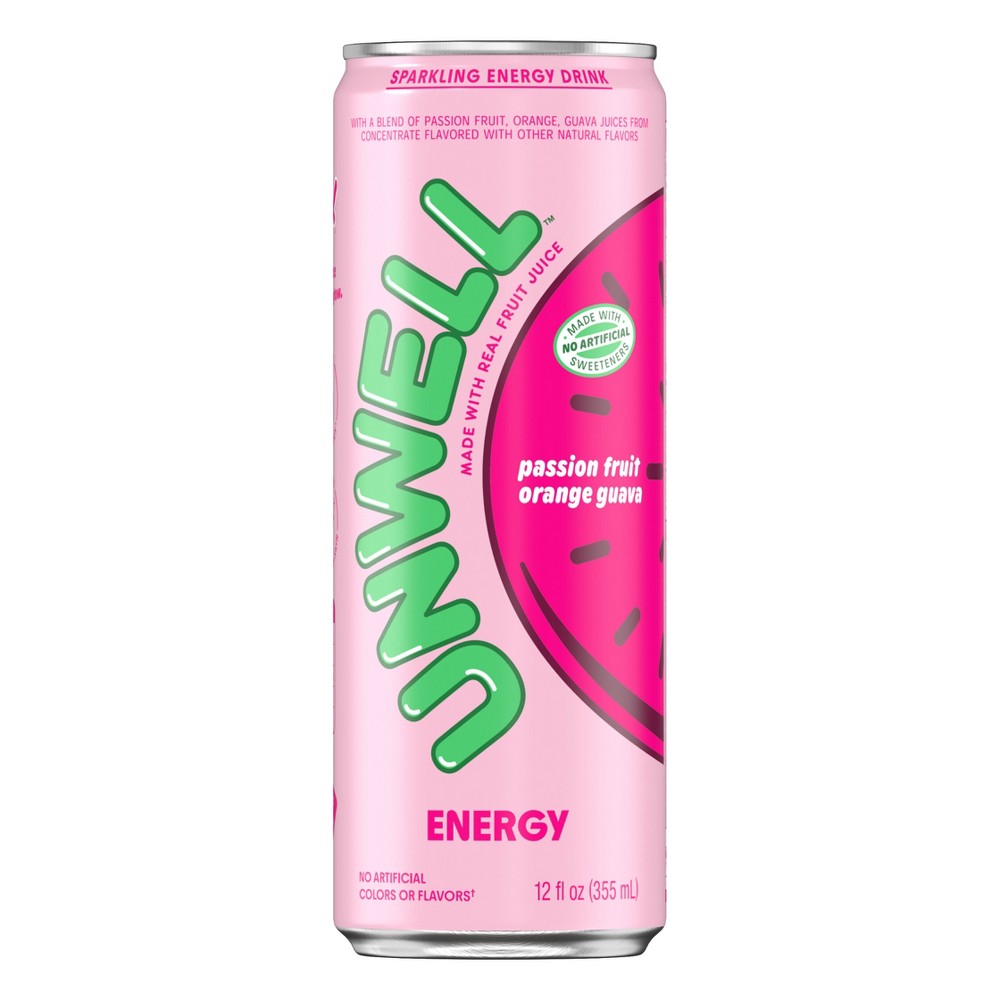


FLRT Guava Lava Vibrant Energy
Analysis updated August 2026 · How Scout scores
At a glance
Summary
This energy drink contains a mix of beneficial vitamins and caffeine, which can enhance alertness and provide nutritional value. However, it is heavily processed with multiple additives, including artificial sweeteners and preservatives, which are common in this category. The presence of sucralose and preservatives like sodium benzoate and potassium sorbate, along with the use of natural flavors, contribute to a moderate processing level and impact the overall score.
Key ingredients 17
Ascorbic AcidGood
Ascorbic acid, also known as vitamin C, is an essential nutrient that supports immune function and acts as an antioxidant. It is commonly added to foods for its health benefits and preservative properties.
Benefits
Supports immune health and acts as an antioxidant.
NiacinamideGood
Niacinamide, or vitamin B3, is essential for energy metabolism and skin health. It is commonly added to foods to ensure adequate intake of this important nutrient. It supports various bodily functions.
Benefits
Supports energy metabolism and skin health.
Calcium PantothenateGood
Calcium pantothenate, or vitamin B5, is important for energy production and the synthesis of fatty acids. It is often added to foods to enhance nutritional value. It plays a role in maintaining healthy skin and hair.
Benefits
Supports energy production and healthy skin.
Pyridoxine HydrochlorideGood
Pyridoxine hydrochloride, or vitamin B6, is crucial for protein metabolism and cognitive development. It is added to foods to prevent deficiencies and support overall health. It aids in neurotransmitter synthesis.
Benefits
Supports protein metabolism and cognitive health.
CyanocobalaminGood
Cyanocobalamin, or vitamin B12, is essential for nerve function and the production of red blood cells. It is often added to foods to ensure adequate intake, especially in vegetarian diets. It supports energy levels and neurological health.
Benefits
Supports nerve function and red blood cell production.
BiotinGood
Biotin is a B-vitamin that supports metabolic processes and is important for healthy hair, skin, and nails. It is often included in supplements and fortified foods. It plays a role in energy metabolism.
Benefits
Supports healthy hair, skin, and nails.
Carbonated WaterNeutral
Carbonated water is simply water infused with carbon dioxide gas under pressure. It provides the base for the beverage without adding calories or sugar. There are no significant health impacts associated with its consumption.
See more about Carbonated Water →ErythritolNeutral
Erythritol is a sugar alcohol used as a low-calorie sweetener. It is not fully absorbed by the body, which reduces its caloric impact. It does not raise blood sugar levels, making it suitable for diabetics.
Risks
Excessive consumption may cause digestive discomfort in some individuals.
Benefits
Provides sweetness without the calories associated with sugar.
Citric AcidNeutral
Citric acid is a natural acid found in citrus fruits, used as a preservative and flavor enhancer. It is generally recognized as safe and is commonly used in food and beverages. It can enhance the flavor profile of the product.
Risks
Excessive consumption may lead to dental erosion over time.
Benefits
Acts as a natural preservative and enhances flavor.
CaffeineNeutral
Standard formulation ingredient — neither beneficial nor harmful at typical use.
Risks
Excessive intake can lead to insomnia, jitteriness, and increased heart rate.
Benefits
Improves mental alertness and physical performance.
Gum ArabicNeutral
Gum arabic is a natural gum used as a stabilizer and thickener in foods. It is derived from the sap of acacia trees and is generally recognized as safe. It has minimal impact on flavor and nutrition.
See more about Gum Arabic →Ester GumNeutral
Ester gum is used as a stabilizer and emulsifier in beverages. It helps maintain the consistency and appearance of the product. It is considered safe for consumption in regulated amounts.
See more about Ester Gum →Vegetable JuiceNeutral
Vegetable juice is used for coloring purposes in beverages. It is derived from natural sources and adds visual appeal without artificial dyes. It does not significantly impact the nutritional profile of the product.
See more about Vegetable Juice →Natural FlavorBad
Natural flavors are derived from natural sources but can be highly processed. They often contain a mixture of chemicals to achieve a desired taste. The lack of transparency in their composition can be concerning.
Risks
Potential for allergic reactions or sensitivities due to undisclosed ingredients.
Sodium BenzoateBad
Sodium benzoate is a preservative used to prevent spoilage. It can form benzene, a known carcinogen, when combined with vitamin C under certain conditions. Its use is controversial due to potential health risks.
Risks
May form benzene, a carcinogen, when combined with ascorbic acid.
Potassium SorbateBad
Potassium sorbate is a preservative used to inhibit mold and yeast growth. While generally recognized as safe, it can cause allergic reactions in sensitive individuals. Its use is common in processed foods.
Risks
Potential for allergic reactions in sensitive individuals.
Benefits
Extends shelf life by preventing microbial growth.
SucraloseBad
Sucralose is an artificial sweetener that provides sweetness without calories. It is highly processed and has been linked to potential negative health effects in some studies. Its long-term health impacts are still debated.
Risks
May alter gut microbiota and has potential negative health effects.
Benefits
Provides sweetness without adding calories.
Processing
Ultra-Processed Foods
Get the full breakdown in the Scout appTake Scout shopping
Scan any product to see lab results, healthy alternatives, and your personalized analysis.
Download on theApp Store GET IT ONGoogle PlayAmazon pricing & content
Amazon price as of . Product prices and availability are accurate as of the date/time indicated and are subject to change. Any price and availability information displayed on Amazon.com at the time of purchase will apply to the purchase of this product.
CERTAIN CONTENT THAT APPEARS ON THIS SITE COMES FROM AMAZON. THIS CONTENT IS PROVIDED “AS IS” AND IS SUBJECT TO CHANGE OR REMOVAL AT ANY TIME.