
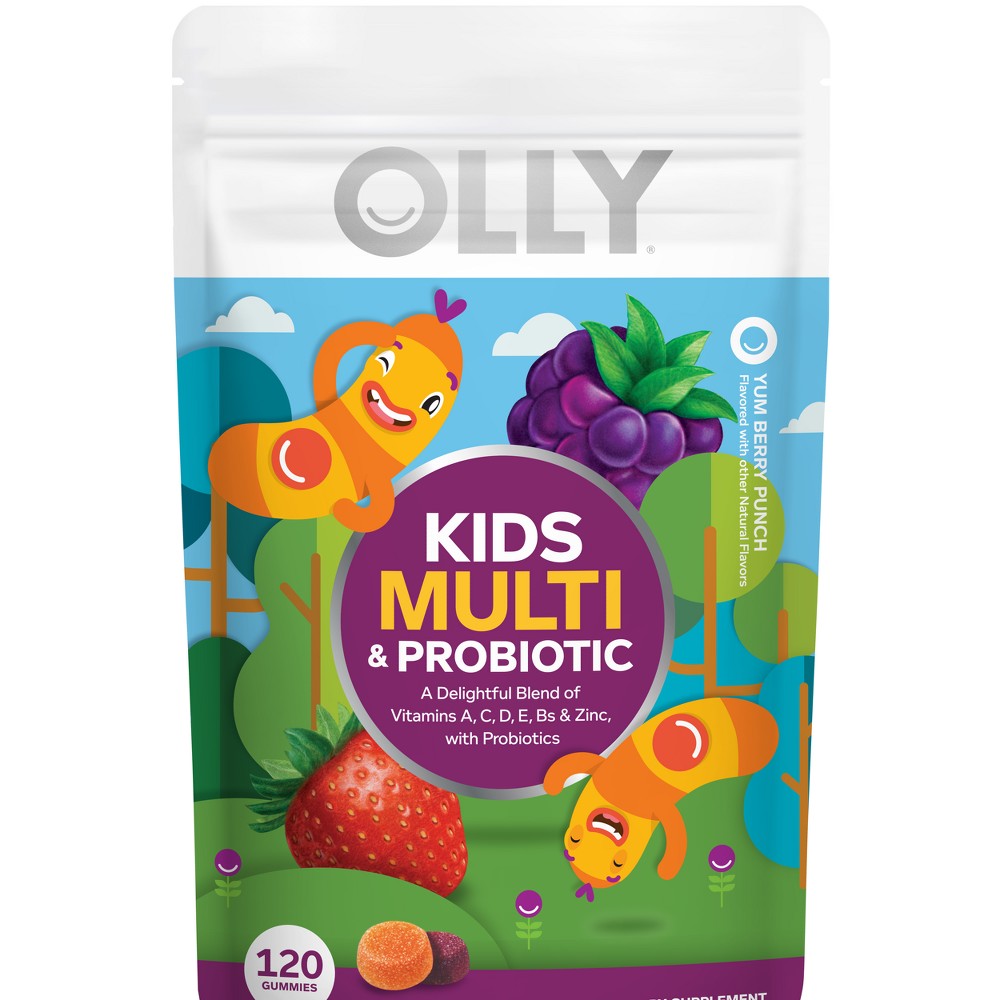

OLLY Kids' Multivitamin + Probiotic Gummies - Berry Punch - 120ct: Gluten-Free, Gummy, Multivitamins
Analysis updated August 2026 · How Scout scores
At a glance
Summary
This multivitamin and probiotic gummy supplement contains beneficial ingredients such as Omega-3, folic acid, and various vitamins and minerals that support overall health. However, the presence of sugar and glucose syrup as primary ingredients raises concerns due to their potential negative health impacts, such as contributing to obesity and dental issues. Additionally, the use of natural flavors, which can be highly processed and lack transparency, slightly detracts from the overall formulation quality.
Key ingredients 22
Omega-3Very Good
Omega-3 fatty acids are essential fats that support heart and brain health. They are anti-inflammatory and beneficial for cardiovascular function. Sourced from fish or algae, they are crucial for overall health.
Benefits
Supports heart health, reduces inflammation, and promotes brain function.
IronVery Good
Iron is a vital mineral necessary for oxygen transport in the blood. It is essential for energy production and immune function. Iron deficiency can lead to anemia and fatigue.
Risks
Excessive iron intake can cause toxicity and gastrointestinal issues.
Benefits
Essential for oxygen transport and energy production.
CalciumVery Good
Calcium is a crucial mineral for bone health and muscle function. It is necessary for maintaining strong bones and teeth. Adequate intake is important for preventing osteoporosis.
Risks
Excessive intake may lead to kidney stones or impaired absorption of other minerals.
Benefits
Supports bone health and muscle function.
Vitamin DVery Good
Vitamin D is essential for calcium absorption and bone health. It supports immune function and may reduce the risk of chronic diseases. It is often synthesized in the skin through sunlight exposure.
Benefits
Enhances calcium absorption and supports immune health.
ProbioticVery Good
Probiotics are beneficial bacteria that support gut health and digestion. They can enhance immune function and improve nutrient absorption. Regular consumption can promote a balanced gut microbiome.
Benefits
Supports gut health and enhances immune function.
Vitamin BVery Good
Vitamin B complex supports energy metabolism and brain function. It includes essential vitamins like B6, B12, and niacin. These vitamins are crucial for converting food into energy.
Benefits
Supports energy production and brain health.
Vitamin AVery Good
Vitamin A is essential for vision, immune function, and skin health. It is a fat-soluble vitamin found in animal products and some plant foods. Adequate intake is crucial for maintaining healthy vision.
Risks
Excessive intake can lead to toxicity and liver damage.
Benefits
Supports vision and immune health.
Vitamin CVery Good
Vitamin C is a powerful antioxidant that supports immune function and collagen synthesis. It is water-soluble and found in many fruits and vegetables. It helps protect cells from oxidative stress.
Benefits
Boosts immune function and supports collagen production.
GelatinGood
Gelatin is a protein derived from animal collagen, providing amino acids that support joint and skin health. It is used as a gelling agent in gummies. It is considered beneficial due to its protein content and potential health benefits.
Benefits
Supports joint health and provides amino acids beneficial for skin and connective tissues.
Coloring From Purple Carrot JuiceGood
Coloring from purple carrot juice is a natural colorant derived from vegetables, providing a safer alternative to artificial dyes. It adds visual appeal without the health risks associated with synthetic colors. It is minimally processed and retains some phytonutrients.
Benefits
Provides natural color and may contain beneficial phytonutrients.
BiotinGood
Biotin is a B-vitamin that supports metabolic function and is important for healthy hair, skin, and nails. It is water-soluble and generally safe. It plays a role in energy production.
Benefits
Supports healthy hair, skin, and nails, and aids in energy metabolism.
Vitamin EGood
Vitamin E is an antioxidant that protects cells from oxidative damage. It supports immune function and skin health. It is fat-soluble and found in various foods.
Risks
High doses may interfere with blood clotting.
Benefits
Protects cells from damage and supports immune health.
CollagenGood
Collagen is a protein that supports skin elasticity and joint health. It is derived from animal sources and provides amino acids beneficial for connective tissues. It is popular in supplements for its potential anti-aging benefits.
Benefits
Supports skin and joint health.
ZincGood
Zinc is a mineral essential for immune function, wound healing, and DNA synthesis. It is involved in numerous enzymatic reactions in the body. Adequate zinc intake is important for growth and development.
Risks
Excessive intake can lead to nausea and impaired immune function.
Benefits
Supports immune health and aids in wound healing.
WaterNeutral
Water is a neutral ingredient used as a solvent and to provide moisture. It is essential for hydration and does not contribute calories or nutrients. It is a basic component in many food products.
Benefits
Essential for hydration and maintaining bodily functions.
Citric AcidNeutral
Citric acid is a natural preservative and flavor enhancer commonly used in food products. It is generally recognized as safe and helps maintain freshness. It is naturally found in citrus fruits.
Risks
Excessive consumption may cause dental erosion.
Benefits
Helps preserve food and enhance flavor.
Lactic AcidNeutral
Lactic acid is used as a preservative and acidity regulator in foods. It is naturally occurring and generally considered safe. It is produced by fermentation and can enhance flavor.
Benefits
Acts as a preservative and can enhance flavor.
Tartaric AcidNeutral
Tartaric acid is an organic acid used to stabilize and enhance the flavor of foods. It is naturally found in grapes and bananas. It is generally recognized as safe and used in small quantities.
Benefits
Enhances flavor and stabilizes food products.
Folic AcidNeutral
Standard formulation ingredient — neither beneficial nor harmful at typical use.
Benefits
Supports cell division and is crucial for fetal development during pregnancy.
SugarBad
Sugar is classified as bad due to its high caloric content and potential to contribute to obesity and dental issues. It is a simple carbohydrate that can cause spikes in blood sugar levels. Excessive consumption is linked to various health problems including metabolic syndrome.
Risks
High sugar intake is associated with increased risk of obesity, type 2 diabetes, and heart disease.
Glucose SyrupBad
Glucose syrup is a highly processed sweetener that can contribute to excessive calorie intake. It is often used to enhance sweetness and texture in processed foods. Overconsumption can lead to health issues similar to those associated with sugar.
Risks
May contribute to weight gain and increased risk of metabolic disorders.
Natural FlavorsBad
Natural flavors are often criticized for being a catch-all term that can include various additives. They are highly processed and lack transparency regarding their composition. This can be concerning for individuals with allergies or sensitivities.
Risks
Potential allergen risk due to undisclosed ingredients.
Processing
Processed Foods
Get the full breakdown in the Scout appTake Scout shopping
Scan any product to see lab results, healthy alternatives, and your personalized analysis.
Download on theApp Store GET IT ONGoogle PlayAmazon pricing & content
Amazon price as of . Product prices and availability are accurate as of the date/time indicated and are subject to change. Any price and availability information displayed on Amazon.com at the time of purchase will apply to the purchase of this product.
CERTAIN CONTENT THAT APPEARS ON THIS SITE COMES FROM AMAZON. THIS CONTENT IS PROVIDED “AS IS” AND IS SUBJECT TO CHANGE OR REMOVAL AT ANY TIME.