
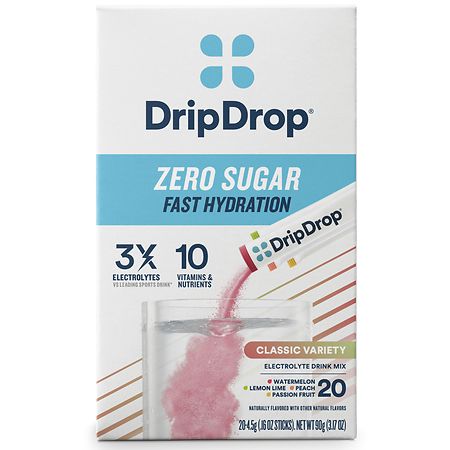

DripDrop Zero Sugar Electrolyte Drink Powder, Classic Variety Pack - 0.16 oz x 20 pack
Analysis updated July 2026 · How Scout scores
At a glance
Summary
This electrolyte drink powder contains beneficial ingredients like sodium citrate, potassium citrate, and magnesium citrate, which support hydration and muscle function. However, the presence of sucralose, an artificial sweetener, and natural flavors, which lack transparency, slightly detracts from its overall health profile. The product is moderately processed, but it avoids excessive harmful additives, making it a reasonable choice for electrolyte replenishment.
Key ingredients 16
Sodium CitrateGood
Sodium citrate is a beneficial electrolyte that helps maintain fluid balance and prevent dehydration. It is commonly used in electrolyte drinks to enhance hydration and improve endurance. Its buffering capacity can also help reduce muscle cramps during intense exercise.
Risks
Excessive intake may lead to high sodium levels, which can increase blood pressure.
Benefits
Supports hydration and electrolyte balance, crucial for muscle function and nerve signaling.
Potassium CitrateGood
Potassium citrate is an important electrolyte that supports cardiovascular health and muscle function. It helps regulate fluid balance and prevent muscle cramps. As a citrate, it also aids in reducing the risk of kidney stones.
Risks
Excessive intake can lead to hyperkalemia, which may cause heart rhythm disturbances.
Benefits
Essential for maintaining electrolyte balance and supporting heart and muscle health.
Magnesium CitrateGood
Magnesium citrate is a highly absorbable form of magnesium, essential for muscle and nerve function. It helps prevent muscle cramps and supports energy production. Its citrate form also aids in digestive health.
Risks
High doses can cause digestive upset, including diarrhea.
Benefits
Supports muscle relaxation, energy production, and overall electrolyte balance.
SaltGood
Beneficial ingredient — whole-food or functional value in this product class.
Risks
High intake can contribute to hypertension and cardiovascular issues.
Benefits
Essential for electrolyte balance and proper cellular function.
Ascorbic AcidGood
Ascorbic acid, or vitamin C, is a powerful antioxidant that supports immune function and skin health. It helps protect cells from oxidative damage and enhances iron absorption. Its inclusion in supplements can boost overall health and wellness.
Risks
High doses may cause gastrointestinal discomfort.
Benefits
Supports immune health and acts as an antioxidant, protecting against cellular damage.
Fruit And Vegetable Juice For ColorGood
Using fruit and vegetable juice for color is a natural alternative to artificial dyes. It provides a more appealing appearance without the health concerns associated with synthetic colors. This choice aligns with consumer preferences for cleaner labels.
Benefits
Offers natural coloring, enhancing product appeal while avoiding artificial additives.
NiacinamideGood
Niacinamide, a form of vitamin B3, supports energy metabolism and skin health. It plays a role in DNA repair and cellular function. Its inclusion in supplements can enhance overall nutrient intake and support metabolic processes.
Risks
High doses may cause skin flushing or gastrointestinal upset.
Benefits
Supports energy production and skin health, contributing to overall wellness.
Zinc AspartateGood
Zinc aspartate is a bioavailable form of zinc, essential for immune function and enzyme activity. It supports wound healing and DNA synthesis. Its inclusion in supplements can help prevent zinc deficiency and support overall health.
Risks
Excessive intake can lead to nausea and interfere with copper absorption.
Benefits
Enhances immune function and supports enzymatic reactions, crucial for health.
D-Calcium PantothenateGood
D-Calcium pantothenate is a form of vitamin B5, important for energy metabolism and hormone synthesis. It supports adrenal function and helps convert food into energy. Its presence in supplements aids in maintaining optimal metabolic health.
Benefits
Supports energy metabolism and hormone production, contributing to overall vitality.
Pyridoxine HydrochlorideGood
Pyridoxine hydrochloride, or vitamin B6, is crucial for protein metabolism and neurotransmitter synthesis. It supports brain health and immune function. Its inclusion in supplements can enhance nutrient intake and support cognitive health.
Risks
High doses may cause nerve damage over time.
Benefits
Supports brain health and protein metabolism, essential for overall well-being.
CyanocobalaminGood
Cyanocobalamin is a synthetic form of vitamin B12, vital for red blood cell formation and neurological function. It helps prevent anemia and supports energy production. Its inclusion in supplements is beneficial for those with dietary restrictions.
Benefits
Supports energy production and neurological health, preventing B12 deficiency.
Citric AcidNeutral
Citric acid is a natural preservative and flavor enhancer commonly used in food and beverages. It is generally recognized as safe and helps improve the taste profile of products. It also acts as an antioxidant, although its nutritional benefits are minimal.
Benefits
Enhances flavor and acts as a preservative, extending shelf life.
Silicon DioxideNeutral
Silicon dioxide is used as an anti-caking agent to prevent clumping in powdered products. It is generally recognized as safe and does not contribute significant nutritional value. Its inert nature makes it a common additive in food processing.
Benefits
Prevents clumping, ensuring consistent texture and quality in powdered products.
MaltodextrinBad
Processed additive flagged under Scout's ingredient doctrine.
Risks
May cause spikes in blood sugar levels, especially in individuals with insulin sensitivity.
Benefits
Provides a quick source of energy, beneficial during intense physical activity.
Natural FlavorBad
Natural flavors are often used to enhance taste but can be a catch-all term for various additives. The lack of transparency in their composition can be concerning for consumers seeking clean labels. They may contain solvents or preservatives not disclosed on the label.
Risks
Potential for undisclosed additives or allergens, leading to consumer confusion.
Benefits
Enhances the flavor profile of products, making them more palatable.
SucraloseBad
Sucralose is an artificial sweetener used to provide sweetness without calories. While it is FDA-approved, some studies suggest potential negative effects on gut health and glucose metabolism. Its artificial nature may be a concern for those seeking natural alternatives.
Risks
Potential impact on gut microbiota and glucose regulation.
Benefits
Provides sweetness without adding calories, beneficial for weight management.
Processing
Processed Foods
Get the full breakdown in the Scout appTake Scout shopping
Scan any product to see lab results, healthy alternatives, and your personalized analysis.
Download on theApp Store GET IT ONGoogle Play