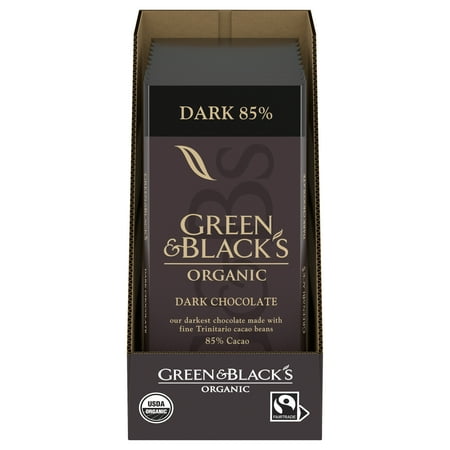
Dark chocolate Caramel squares

At a glance
Summary
This product is ultra-processed, which limits its potential health score despite some beneficial ingredients like cocoa butter and chicory root fiber. The presence of refined cane sugar and emulsifiers such as soy and sunflower lecithin contributes to its processed nature. While it avoids industrial seed oils, the high sugar content and processing level prevent it from being rated as a healthier option.
Key ingredients 11
Cocoa butterGood
Cocoa butter is a natural fat extracted from cocoa beans, rich in healthy saturated fats. It provides a smooth texture and is a source of antioxidants. Its use in chocolate contributes to the product's flavor and mouthfeel.
Benefits
Rich in healthy fats and antioxidants that may support skin health and provide anti-inflammatory effects.
Chicory root fiberGood
Chicory root fiber is a prebiotic fiber that supports digestive health by promoting beneficial gut bacteria. It is a natural source of inulin, which can aid in weight management and improve bowel function. Its inclusion in foods can enhance fiber content without adding calories.
Risks
Excessive consumption may cause digestive discomfort in some individuals.
Benefits
Supports gut health and may aid in weight management due to its prebiotic properties.
Dark chocolateNeutral
Dark chocolate is a source of antioxidants and may have cardiovascular benefits. However, it contains added sugars and is processed with alkali, which can reduce its antioxidant content. The presence of milk and soy lecithin as emulsifiers is typical in chocolate products.
Risks
Contains added sugars and emulsifiers which may not be suitable for everyone.
Benefits
Provides antioxidants and may support heart health when consumed in moderation.
AlluloseNeutral
Allulose is a low-calorie sweetener that does not significantly impact blood sugar levels. It is considered safe for consumption and can be a suitable alternative for those managing sugar intake. Its use in foods can provide sweetness without the calories of traditional sugars.
Risks
May cause digestive discomfort if consumed in large amounts.
Benefits
Provides sweetness with minimal impact on blood sugar levels, making it suitable for low-calorie diets.
Coconut oilNeutral
Coconut oil is a source of medium-chain triglycerides (MCTs), which can be metabolized quickly for energy. It is often used in cooking and baking for its flavor and texture. While it contains saturated fats, its health effects are still debated.
Risks
High in saturated fats, which may impact heart health if consumed in excess.
Benefits
Contains MCTs that may provide quick energy and support metabolic health.
ButterNeutral
Butter is a dairy product rich in saturated fats and provides a creamy texture to foods. It contains fat-soluble vitamins like A and D. Its use in moderation is generally considered acceptable in a balanced diet.
Risks
High in saturated fats, which may contribute to heart disease if consumed excessively.
Benefits
Provides fat-soluble vitamins and enhances flavor and texture in culinary applications.
Nonfat milk powderNeutral
Nonfat milk powder is a dehydrated form of milk that retains most of the nutrients found in fresh milk. It is used to add creaminess and nutritional value to foods without the fat content of whole milk. Its inclusion in products can enhance calcium and protein content.
Risks
May cause allergic reactions in individuals with milk allergies or lactose intolerance.
Benefits
Provides calcium and protein, contributing to bone health and muscle maintenance.
SaltNeutral
Salt is used to enhance flavor and preserve food. It is an essential mineral for maintaining fluid balance and nerve function. However, excessive intake can lead to health issues such as hypertension.
Risks
High sodium intake is associated with increased risk of hypertension and cardiovascular diseases.
Benefits
Essential for maintaining fluid balance and proper nerve function.
Cane sugarBad
Cane sugar is a refined sugar that can contribute to increased blood sugar levels and weight gain. It lacks nutritional benefits and is associated with various health issues when consumed in excess. Its presence in processed foods is a concern for those monitoring sugar intake.
Risks
High consumption can lead to obesity, diabetes, and other metabolic disorders.
Soy lecithinBad
Soy lecithin is an emulsifier derived from soybeans, used to improve texture and extend shelf life. It is a processed ingredient and may contain traces of soy allergens. Its use in foods is common but not nutritionally beneficial.
Risks
May cause allergic reactions in individuals sensitive to soy.
Sunflower lecithinBad
Sunflower lecithin is an emulsifier used to stabilize and improve the texture of processed foods. It is a processed ingredient and does not provide significant nutritional benefits. Its inclusion is primarily for functional purposes in food manufacturing.
See more about Sunflower lecithin →Processing
Ultra-Processed Foods
Get the full breakdown in the Scout appTake Scout shopping
Scan any product to see lab results, healthy alternatives, and your personalized analysis.
Are you Skinny Dipped? Fix an error Get the badge Get tested