






At a glance
Summary
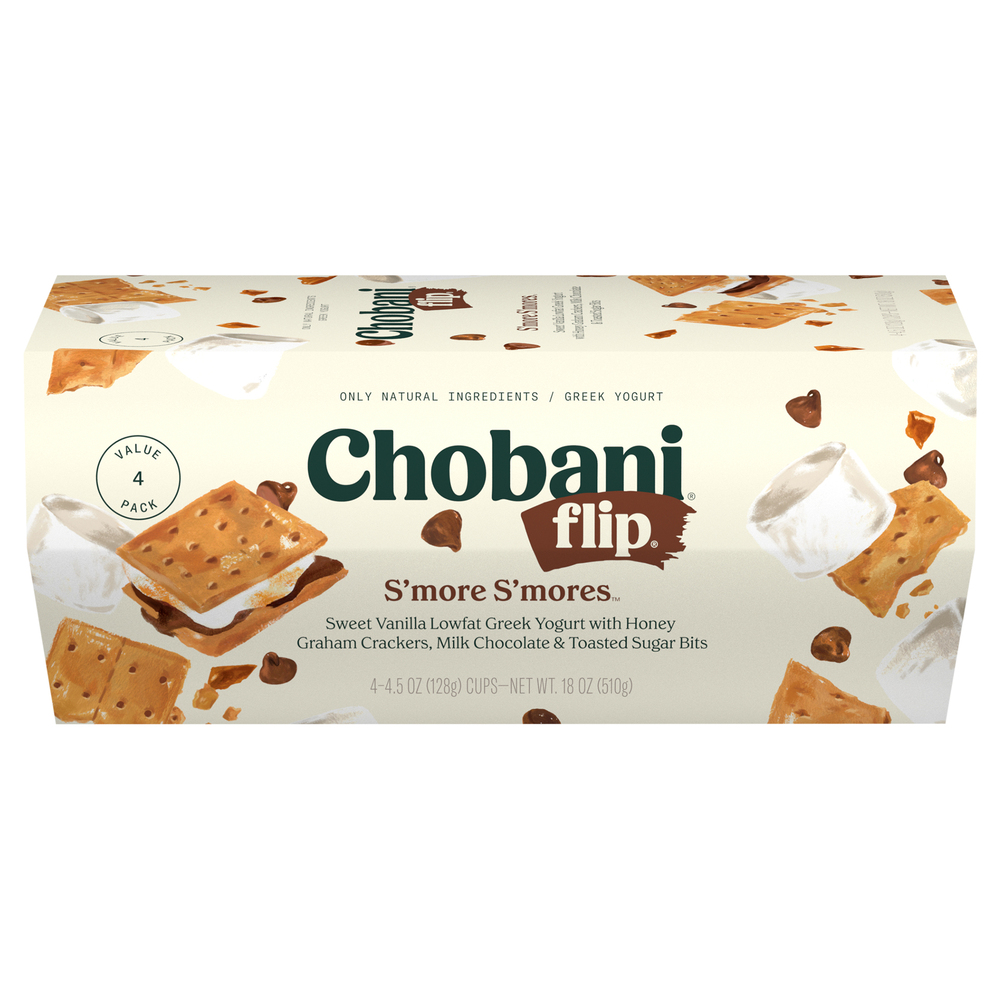
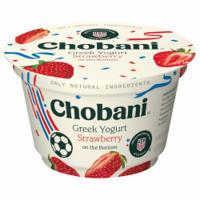
This yogurt contains cultured lowfat milk, which is beneficial for gut health due to its probiotics and protein content. However, the presence of refined cane sugar and vegetable oils, such as palm and palm kernel, introduces concerns due to their high saturated fat content and potential negative impact on cardiovascular health. Additionally, the use of natural flavors and the overall processing level limit the product's healthfulness.
Key ingredients 11
Cultured Lowfat MilkGood
Cultured lowfat milk is a source of protein and probiotics, beneficial for gut health. It is minimally processed and retains essential nutrients. The fermentation process enhances digestibility and nutrient absorption.
Benefits
Provides probiotics that support digestive health and a good source of protein and calcium.
CocoaGood
Beneficial ingredient — whole-food or functional value in this product class.
Risks
Excessive consumption of cocoa products with added sugars can lead to weight gain and metabolic issues.
Benefits
Contains antioxidants that may support heart health when consumed in moderation.
Cocoa ButterGood
Natural traditional fat pressed from cacao.
Risks
High intake of saturated fats can increase the risk of heart disease.
Benefits
Contains stearic acid, which may have a neutral effect on cholesterol levels.
WaterNeutral
Water is used as a solvent and to adjust the consistency of the product. It is a neutral ingredient with no direct nutritional impact. It is essential for hydration but does not contribute additional nutrients in this context.
See more about Water →Fruit PectinNeutral
Fruit pectin is a natural gelling agent used to thicken and stabilize products. It is derived from fruits and is minimally processed. It can aid in digestion by acting as a soluble fiber.
Benefits
Acts as a soluble fiber that may support digestive health.
Cane SugarBad
Cane sugar is a refined sugar that can contribute to increased calorie intake and potential weight gain. It is processed to remove impurities, resulting in a high glycemic index. Excessive consumption can lead to metabolic issues.
Risks
High intake of refined sugars can lead to obesity, insulin resistance, and dental problems.
Wheat FlourBad
Refined grain flour stripped of bran and germ.
Risks
May cause allergic reactions or digestive issues in individuals with gluten intolerance or celiac disease.
Benefits
Provides carbohydrates for energy but lacks significant nutritional benefits due to processing.
Vegetable OilsBad
Vegetable oils, such as palm and palm kernel, are often refined and can be high in saturated fats. The refining process can strip beneficial nutrients and introduce trans fats. Overconsumption may impact heart health.
Risks
High intake of saturated fats can increase the risk of heart disease and inflammation.
PalmBad
Palm oil is high in saturated fats, which can negatively impact cardiovascular health. It is often refined, which can introduce trans fats. Its production is also associated with environmental concerns.
Risks
High intake of saturated fats can increase the risk of heart disease and inflammation.
Palm KernelBad
Palm kernel oil is high in saturated fats and often refined, which can introduce trans fats. It is less healthy compared to unsaturated fats. Its production raises environmental sustainability issues.
Risks
High intake of saturated fats can increase the risk of heart disease and inflammation.
Natural FlavorsBad
Natural flavors are often used to enhance taste but lack transparency in their composition. They are processed and can contain multiple chemical compounds. Their inclusion can mask the quality of the base ingredients.
Risks
May contain allergens or compounds that some individuals are sensitive to.
Processing
Processed Foods
Get the full breakdown in the Scout appTake Scout shopping
Scan any product to see lab results, healthy alternatives, and your personalized analysis.
Download on theApp Store GET IT ONGoogle Play