


At a glance
Summary
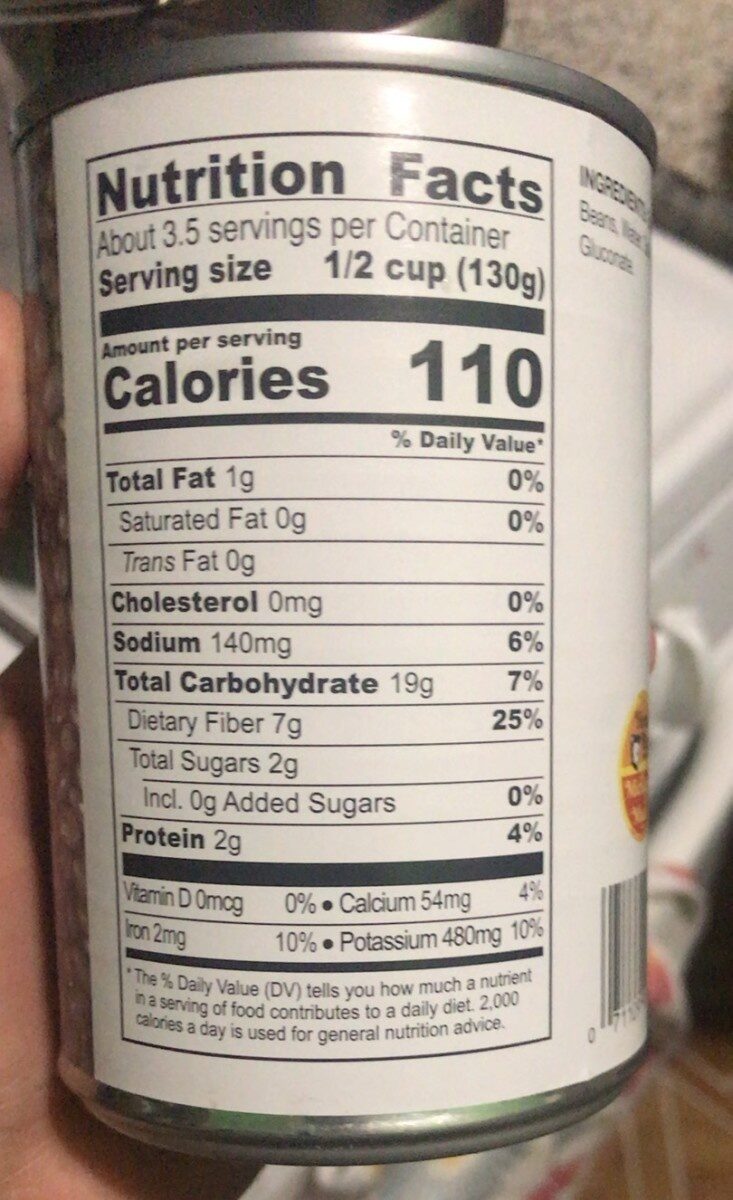
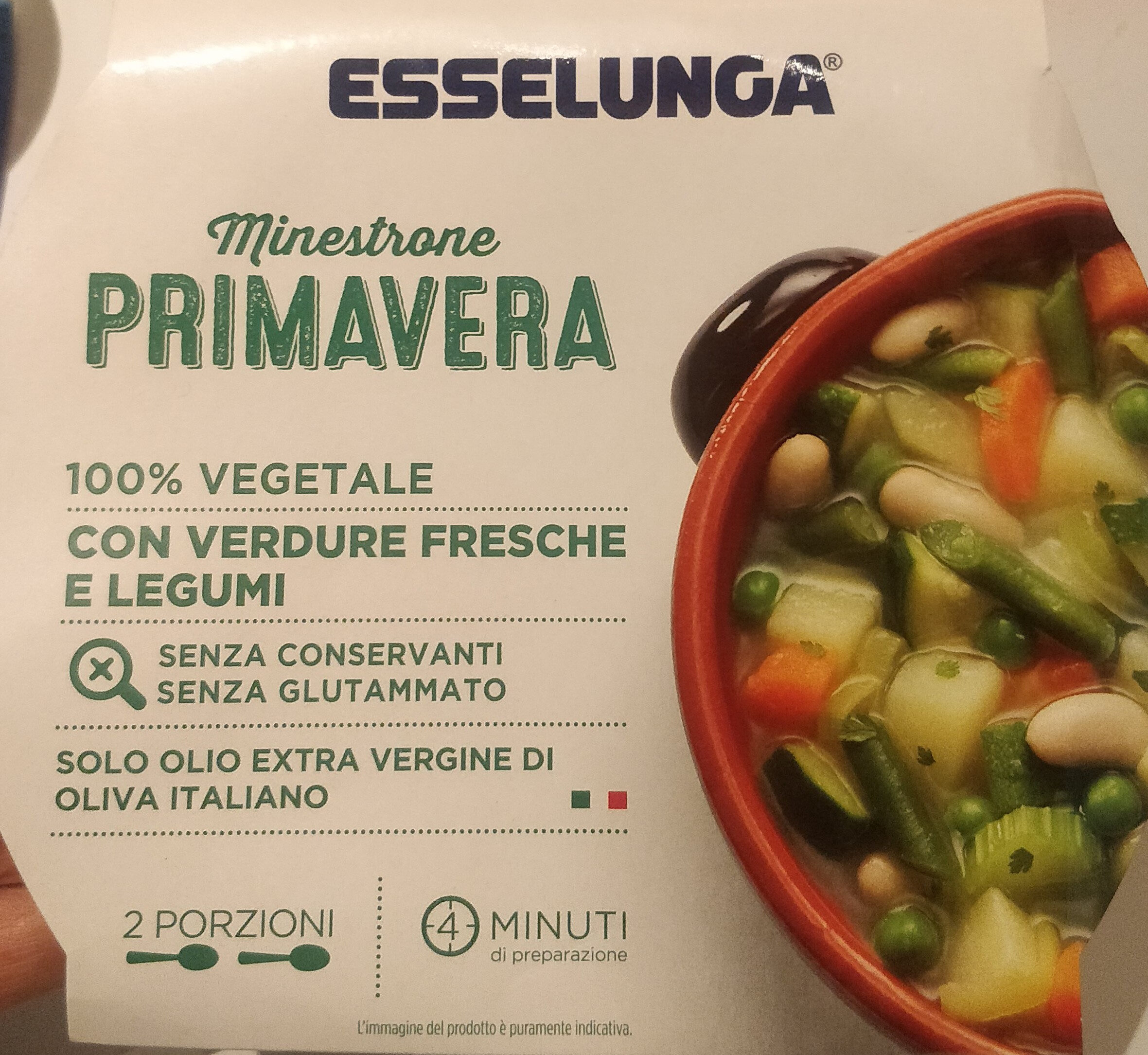
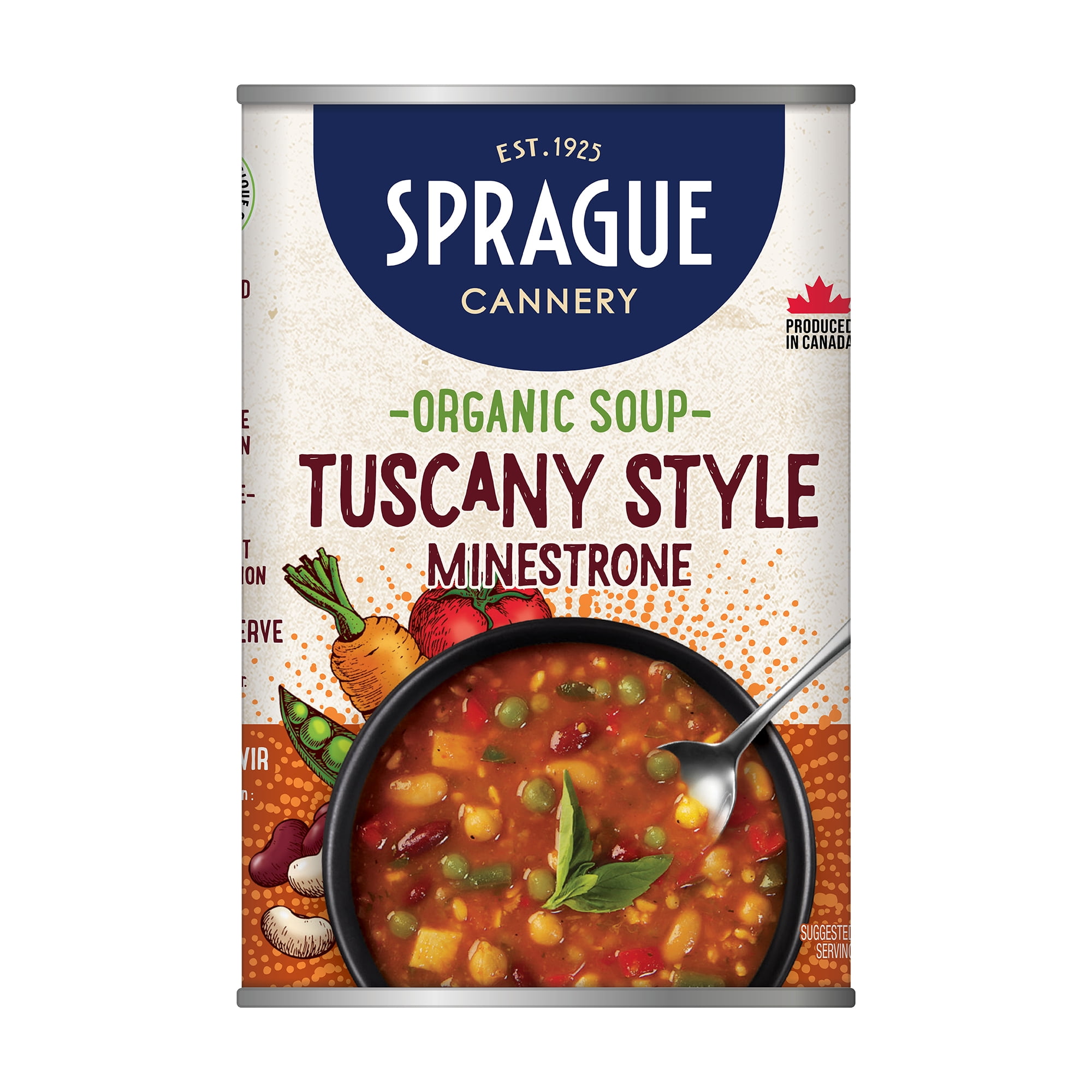
This minestrone soup contains a variety of minimally processed vegetables, which contribute beneficial nutrients like vitamins and fiber. However, the presence of refined sugar and the processed nature of the product limit its score. The soup's ingredient list is relatively clean with only two additives, but the processing level prevents it from achieving a higher rating.
Key ingredients 26
SpinachVery Good
Spinach is a nutrient-dense leafy green rich in vitamins A, C, and K, as well as iron and calcium. It is minimally processed and retains its nutritional benefits. Spinach is known for its antioxidant properties and potential to support bone health.
Benefits
High in antioxidants and essential nutrients, supporting overall health and bone strength.
Tomato pureeGood
Tomato puree is a concentrated source of vitamins and antioxidants, particularly lycopene. It is minimally processed, retaining most of its nutritional benefits. Lycopene is known for its potential to reduce the risk of certain chronic diseases.
Benefits
Rich in antioxidants like lycopene, which may support heart health and reduce inflammation.
PotatoesGood
Beneficial ingredient — whole-food or functional value in this product class.
Risks
High glycemic index may affect blood sugar levels if consumed in excess.
Benefits
Provides carbohydrates for energy and contains some vitamins and minerals like vitamin C and potassium.
TomatoesGood
Tomatoes are rich in vitamins, minerals, and antioxidants, particularly vitamin C and lycopene. They are a whole food with minimal processing. Lycopene in tomatoes is linked to reduced risk of heart disease and cancer.
Benefits
High in antioxidants and vitamins that support overall health and may reduce inflammation.
CarrotsGood
Carrots are a good source of beta-carotene, fiber, vitamin K1, and antioxidants. They are minimally processed and retain their nutritional value. Beta-carotene is converted into vitamin A, which is essential for vision and immune function.
Benefits
Rich in beta-carotene and fiber, supporting eye health and digestion.
ChickpeasGood
Chickpeas are a rich source of protein, fiber, and essential nutrients like iron and folate. They are a whole food with minimal processing. Their high fiber content supports digestive health and may help in managing blood sugar levels.
Benefits
Provides plant-based protein and fiber, supporting heart health and digestion.
Red kidney beansGood
Red kidney beans are high in protein, fiber, and essential nutrients such as iron and potassium. They are minimally processed and retain their nutritional benefits. Their fiber content aids in digestion and may help lower cholesterol levels.
Benefits
Rich in protein and fiber, supporting heart health and providing sustained energy.
Green beansGood
Green beans are a good source of vitamins A, C, and K, as well as fiber. They are minimally processed and retain their nutritional benefits. Their fiber content supports digestive health and may help in maintaining healthy blood sugar levels.
Benefits
Rich in vitamins and fiber, supporting overall health and digestion.
Great northern beansGood
Great northern beans are high in protein, fiber, and essential nutrients like iron and magnesium. They are minimally processed and retain their nutritional benefits. Their fiber content aids in digestion and may help lower cholesterol levels.
Benefits
Provides plant-based protein and fiber, supporting heart health and digestion.
GarlicGood
Garlic is known for its potential health benefits, including antimicrobial and anti-inflammatory properties. It is a whole food with minimal processing. Garlic may support cardiovascular health and boost the immune system.
Benefits
Contains compounds that may support heart health and enhance immune function.
ParsleyGood
Parsley is a nutrient-rich herb high in vitamins A, C, and K. It is minimally processed and retains its nutritional benefits. Parsley may support bone health and provide antioxidant properties.
Benefits
Rich in vitamins and antioxidants, supporting overall health and bone strength.
OreganoGood
Oregano is an herb known for its antioxidant and antimicrobial properties. It is minimally processed and retains its beneficial compounds. Oregano may support immune health and add flavor to dishes.
Benefits
Contains antioxidants and compounds that may support immune health.
Rosemary extractGood
Rosemary extract is used as a natural antioxidant to preserve freshness. It is minimally processed and retains its beneficial compounds. Rosemary may support cognitive health and provide anti-inflammatory benefits.
Benefits
Contains antioxidants that may support cognitive health and reduce inflammation.
PepperGood
Pepper is a spice that adds flavor and contains antioxidants. It is minimally processed and retains its beneficial compounds. Pepper may aid digestion and enhance nutrient absorption.
Benefits
Contains antioxidants and may aid in digestion and nutrient absorption.
Basil extractGood
Basil extract is used for its flavor and potential health benefits, including antioxidant properties. It is minimally processed and retains its beneficial compounds. Basil may support immune health and add flavor to dishes.
Benefits
Contains antioxidants and compounds that may support immune health.
CeleryNeutral
Celery is a low-calorie vegetable that provides some vitamins and minerals, including vitamin K. It is a whole food with minimal processing. While not nutrient-dense, it can contribute to hydration and fiber intake.
Benefits
Provides hydration and some fiber, contributing to overall dietary balance.
ZucchiniNeutral
Zucchini is a low-calorie vegetable that provides some vitamins and minerals, including vitamin C and potassium. It is minimally processed and retains its nutritional value. While not highly nutrient-dense, it adds variety and fiber to the diet.
Benefits
Contributes to fiber intake and provides some vitamins and minerals.
SaltNeutral
Salt is essential for maintaining fluid balance and nerve function. It is a refined product without additional trace minerals. While necessary in small amounts, excessive intake can lead to hypertension.
Risks
High intake may contribute to hypertension and cardiovascular issues.
Benefits
Essential for fluid balance and nerve function in the body.
CheeseNeutral
Cheese provides protein and calcium but can be high in saturated fat and sodium. It is a processed dairy product. While it offers some nutritional benefits, moderation is advised due to its fat content.
Risks
High in saturated fat and sodium, which may affect heart health if consumed in excess.
Benefits
Provides protein and calcium, supporting bone health.
Chicken stockNeutral
Chicken stock adds flavor and some nutrients like collagen and minerals. It is a processed ingredient but can enhance the taste of dishes. The quality depends on the source and processing methods.
Risks
May contain added sodium or preservatives depending on processing.
Benefits
Adds flavor and some nutrients like collagen to dishes.
PastaNeutral
Pasta is a source of carbohydrates and provides energy. It is a processed food made from wheat. While it offers energy, it should be consumed in moderation due to its refined nature.
Risks
High glycemic index may affect blood sugar levels if consumed in excess.
Benefits
Provides carbohydrates for energy.
WheatNeutral
Wheat is a staple grain providing carbohydrates and some protein. It is a whole food but can be refined in processing. Wheat is a common allergen and should be consumed in moderation.
Risks
Common allergen and may cause sensitivities in some individuals.
Benefits
Provides carbohydrates and some protein, supporting energy needs.
Vegetable protein extractNeutral
Vegetable protein extract is used to enhance protein content in foods. It is a processed ingredient derived from plant sources. While it provides protein, it may not offer the same amino acid profile as animal-based proteins.
Risks
May not provide a complete amino acid profile compared to animal proteins.
Benefits
Enhances protein content in foods, supporting dietary protein intake.
Mineral saltNeutral
Mineral salt is used to enhance flavor and provide essential minerals. It is a refined product but can contribute to mineral intake. While necessary in small amounts, excessive intake can lead to hypertension.
Risks
High intake may contribute to hypertension and cardiovascular issues.
Benefits
Provides essential minerals and enhances flavor in foods.
SugarBad
Refined sugar is a source of empty calories with no essential nutrients. It is highly processed and can contribute to weight gain and metabolic issues when consumed in excess. Its presence in foods should be minimized for better health outcomes.
Risks
Excessive consumption can lead to weight gain, insulin resistance, and increased risk of chronic diseases.
Yeast extractBad
Concentrated glutamate source — MSG-adjacent flavor enhancer.
Risks
May contain glutamates that can cause sensitivity in some individuals.
Benefits
Provides B vitamins and enhances flavor in foods.
Processing
Processed Foods
Get the full breakdown in the Scout appTake Scout shopping
Scan any product to see lab results, healthy alternatives, and your personalized analysis.
Download on theApp Store GET IT ONGoogle Play